Category: Moon Rituals

  • Waning Crescent Banishing: A Ritual Guide for the Final Lunar Phase

    Waning Crescent Banishing: A Ritual Guide for the Final Lunar Phase


    Disclosure: This post contains affiliate links. If you click through and make a purchase, we may earn a small commission at no extra cost to you. Thank you for supporting this site!

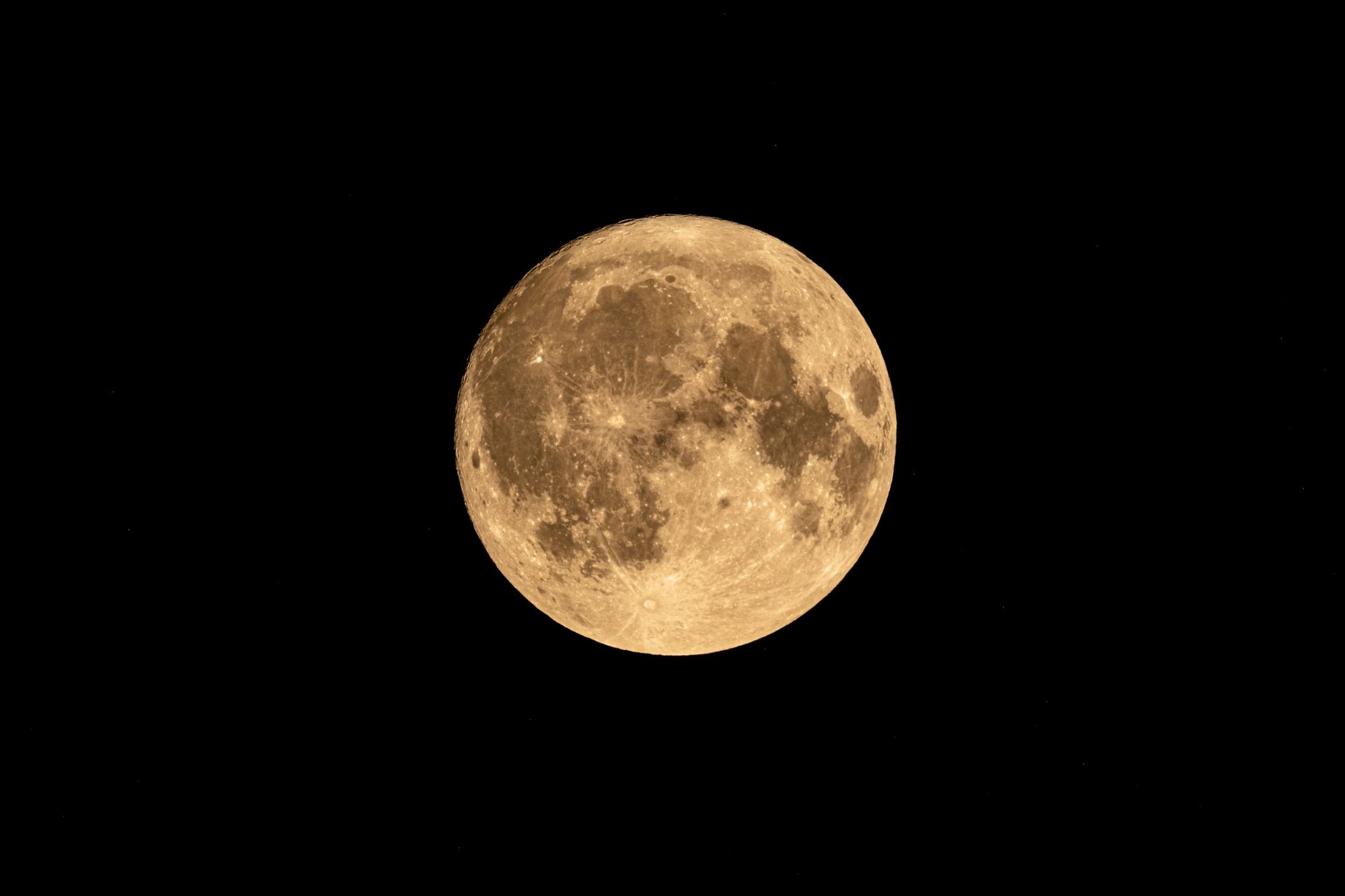
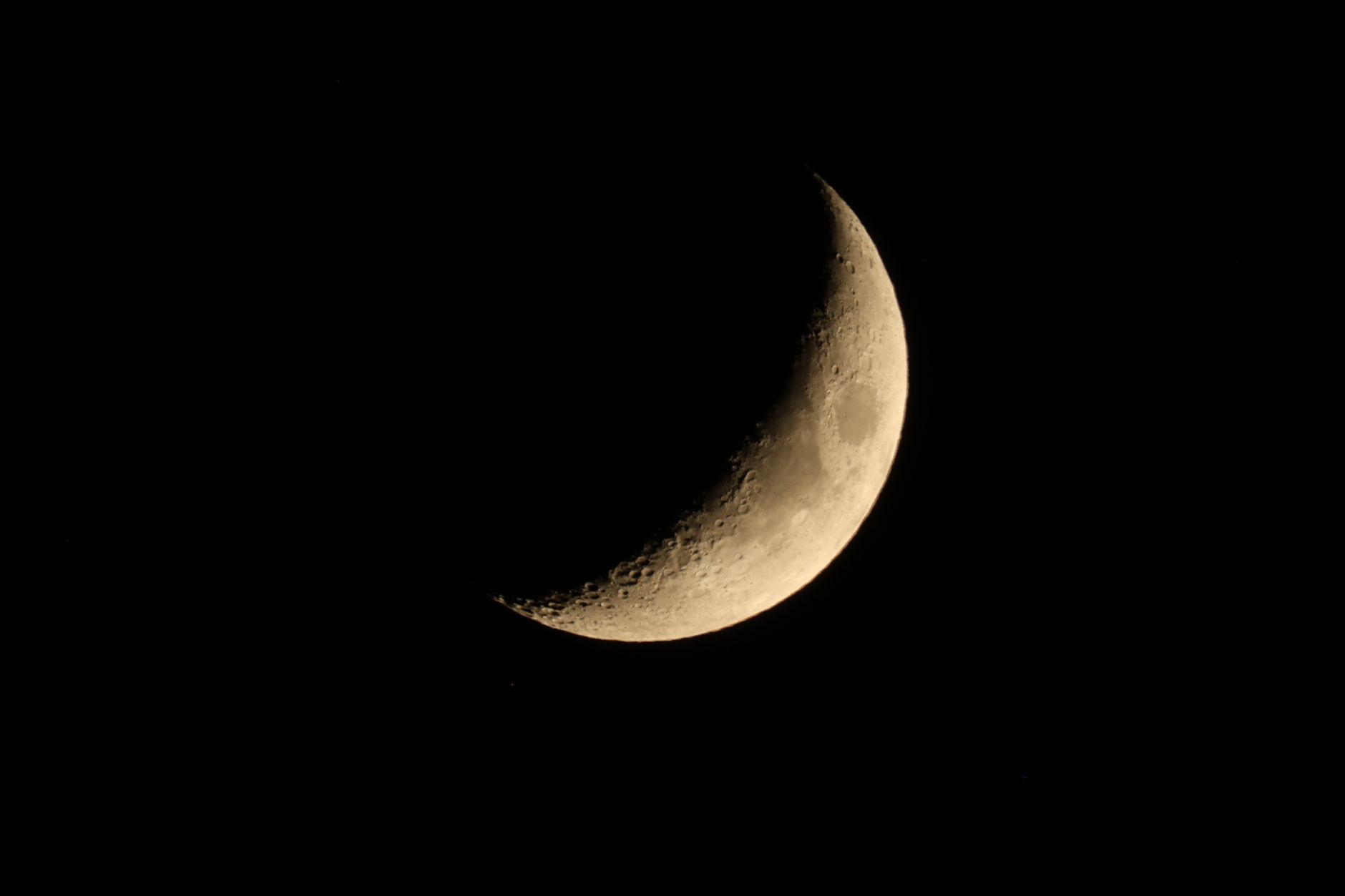
    Last October, I stood over my altar at 4:40am with a black chime candle sputtering in the draft, watching the moon hang as a thin fingernail—just 6% illuminated—low in the eastern sky before dawn. That’s the Waning Crescent for you: the smallest sliver of visible moon, rising only an hour or two before the sun, and it is, without question, the single most potent window in the entire lunar cycle for banishing work. Most spellwork guides lump “waning moon” into one vague 14-day blob and call it a day. That’s a mistake. The final 3.5 days before the New Moon—when illumination drops below 15% and the moon sits within roughly 45 degrees of the sun—carry a different charge entirely than the Waning Gibbous or Third Quarter. This is the phase witches historically called “the moon of endings,” and if you time your banishing ritual to hit that narrow window, the results are sharper, faster, and considerably harder to walk back. Get the timing wrong, and you’re just burning a candle.

    10 min read

    Key Takeaways

    • The Waning Crescent’s Astronomical Signature: Why Timing Matters
    • What Banishing Actually Means at This Phase
    • The Ingredient Formula: Herbs, Candles, and Correspondences
    • Building Your Personalized Incantation

    The Waning Crescent’s Astronomical Signature: Why Timing Matters

    The Waning Crescent occupies the final 3 to 4 days of the synodic lunar month, running from roughly Day 25 to Day 29.5 of the 29.53-day cycle. Illumination during this window falls from about 25% down to under 1%, and the moon itself becomes visible only in the pre-dawn eastern sky, typically rising between 3:00am and 5:30am depending on your latitude and the specific date. By the final 24 hours before New Moon, illumination often dips below 5%—I’ve tracked this using the U.S. Naval Observatory’s data tables and the Time and Date astronomical calendar, and the drop-off in the last 48 hours is steep enough that timing your ritual within a 6-hour window genuinely changes the felt intensity of the work.

    incense

    Check incense →

    Affiliate link

    Here’s the detail almost every ritual guide skips: the moon goes void-of-course multiple times during the Waning Crescent as it changes zodiac sign, and this matters enormously for banishing magic. A void-of-course moon—the period after the moon makes its last major aspect in one sign before entering the next—can last anywhere from 20 minutes to over 26 hours. Casting during a long void-of-course window tends to produce spells that fizzle rather than land; energy raised has nowhere coherent to go. Check an ephemeris (I use Astro-Seek’s free void-of-course calculator) before you light a single match, because a banishing spell cast during a 14-hour void window in late Waning Crescent Scorpio, for example, will feel different than one cast an hour after the moon enters Sagittarius.

    My rule, tested over four years of tracking: cast your banishing spell in the final 72 hours before New Moon, avoid any void-of-course period longer than 90 minutes, and favor the pre-dawn hours when the crescent is actually visible above the horizon. If the sky is overcast and you can’t see her, trust the almanac over your eyes—the moon’s gravitational and energetic pull doesn’t require visibility to function.

    Casting during a long void-of-course window tends to produce spells that fizzle rather than land; energy raised has nowhere coherent to go.

    What Banishing Actually Means at This Phase

    The Waning Crescent is the moon’s exhale. Every phase before it—New, Waxing, Full, Waning Gibbous, Third Quarter—has been building, peaking, and beginning to release. By the Crescent, there’s almost nothing left to hold onto. In folk magical traditions from the British Isles through Appalachian hoodoo-adjacent practice, this final sliver was known as the “dark of the moon’s doorway,” a threshold phase where old patterns, entities, and habits are meant to be swept clean before the New Moon opens a fresh fourteen-day cycle of building.

    This is different from Full Moon release work, which tends to be dramatic and cathartic—think releasing grief into a bonfire. Waning Crescent banishing is quieter and more surgical. You’re not screaming something out of your life; you’re closing a door so softly the thing on the other side doesn’t even notice until it’s already locked out. I’ve found this phase works best for banishing habitual patterns, energetic cords to specific people, low-grade curses or ill will, and stuck emotional residue—things that need precision removal rather than explosive release.

    What it does not do well: banishing something you’re still emotionally attached to. If you haven’t grieved the relationship, job, or identity you’re trying to banish, the Waning Crescent’s low-energy, contractive quality can leave the spell feeling incomplete or even make you feel more haunted by the thing afterward. Do your grief work during the Waning Gibbous first. Save the Crescent for when you’re genuinely ready to let the door close.

    Save the Crescent for when you’re genuinely ready to let the door close.

    The Ingredient Formula: Herbs, Candles, and Correspondences

    I’ve built this formula through trial, error, and a fair number of scorched altar cloths. The core banishing herb blend I use, and the one I’ll walk you through, centers on three plants with documented banishing lineage in European and Appalachian folk magic:

    • Mugwort (Artemisia vulgaris) — 2 tablespoons, dried. Governs psychic protection and severing energetic attachments; burn as loose incense or add to a sachet.
    • Rue (Ruta graveolens) — 1 tablespoon, dried, used sparingly because fresh rue sap is a skin irritant. Historically called “herb of grace,” it’s one of the strongest hex-breaking and banishing herbs in the Western tradition.
    • Black peppercorn (Piper nigrum) — 1 teaspoon, crushed. Adds aggressive, fast-acting expulsion energy; I add this only when banishing something with real teeth, like a persistent negative influence rather than a mild bad habit.

    Pair this with a black chime candle (5-6 inches, unscented beeswax or soy) for absorption and banishing, or a white taper if you want to banish while leaving room for something new to enter immediately after—black seals the door shut, white seals it and lights the hallway. Anoint the candle with a single drop of clove oil (Syzygium aromaticum) worked from base to wick, which is the traditional direction for banishing work, moving energy away from you rather than toward you.

    For the working surface, I burn the herb blend in a heat-safe cauldron or cast-iron dish over a charcoal disc, never directly on an open flame—loose mugwort catches fast and burns hot, and I learned that the hard way with a singed eyebrow in 2021. If smoke isn’t accessible to you (apartment living, respiratory issues, fire codes), steep the same three herbs in water for 20 minutes, strain, and use the cooled liquid to anoint your candle and altar corners instead. The correspondence holds; the delivery method is flexible.

    The correspondence holds; the delivery method is flexible.

    Building Your Personalized Incantation

    Generic banishing incantations—”I banish thee, be gone from me”—work, but they work the way a form letter works. Specific incantations, built from your own language and named to your exact situation, work the way a direct confrontation works. Here’s the four-part structure I teach:

    1. Naming — Speak the specific pattern, person, or influence by name or clear description. Vague language produces vague results. “I banish negativity” is weak. “I banish the habit of checking my phone the moment I wake, the anxious grip it has on my mornings” is precise.
    2. Acknowledgment — Name what the thing gave you, even briefly, even bitterly. This isn’t gratitude journaling; it’s honesty. “You taught me to notice how tired I really am” closes the loop so the banishing doesn’t leave an open wound.
    3. Severance — The active verb. Use present tense, first person, and physical imagery: “I cut the cord,” “I close the door,” “I sweep you from this house.” Say it three times, once for each visible ring of the crescent’s curve, if you like the symbolism—I do.
    4. Sealing — Declare the space now clear and state what you invite in its place, even if simply “peace” or “quiet mornings.” This keeps the void from filling itself with something equally unwanted.

    Here’s a real example I wrote for the phone-habit banishing above: “I name you, the reach for the screen before my eyes are even open. You taught me how much I fear silence. Now I cut you from my hands, I close this door on my nightstand, I sweep you from my first waking breath. This space is clear. I invite ten quiet minutes, mine alone.” Write yours in your own voice, in your own words, and don’t polish it into something that sounds like a greeting card. The rougher and more specific it is, the more it’s actually yours.

    The Full Ritual, Step by Step

    This entire working takes about 25-30 minutes and is best performed in the final 72 hours before New Moon, ideally during the pre-dawn hours when the crescent is above the horizon.

    1. Cleanse your space with the smoke of the mugwort-rue blend or the cooled herbal wash, moving counter-clockwise around the room—the traditional direction for banishing, opposite the clockwise motion used for drawing-in work.
    2. Anoint your black or white candle with clove oil, base to wick, and set it in a heatproof holder at the center of your altar.
    3. Write the name of what you’re banishing on a small piece of paper. Fold it away from you three times.
    4. Light the candle and speak your four-part incantation aloud, slowly, three full times.
    5. Hold the folded paper to the candle flame (carefully, over a heatproof dish) and let it burn completely.
    6. Let the candle burn out fully on its own if you can supervise it, which typically takes 3-4 hours for a chime candle; if you must extinguish it, snuff rather than blow, to avoid scattering the energy you just gathered.
    7. Bury the cooled ash outside your property line, or at a crossroads if the tradition speaks to you, before the New Moon rises.

    I’ve run this exact sequence more than a dozen times, and the step people skip is the burying. Don’t skip it. Leaving the ash on your altar or in your trash can keeps a psychic thread attached to your home; taking it physically off your property completes the severance the incantation started.

    Crystals and Altar Setup for Waning Crescent Banishing

    Black tourmaline (Schorl) is my non-negotiable stone for this work—place a piece roughly the size of your thumb at the northernmost point of your altar, since north correlates with grounding and closure in most Western ceremonial frameworks. Charge it under the Waning Crescent moonlight for at least 2 hours before use if the sky is clear; if it’s cloudy, an overnight charge on a windowsill still works, since the moon’s gravitational influence doesn’t require direct light exposure.

    Add smoky quartz for absorbing residual negative energy and obsidian (Apache tear or standard black obsidian) for mirroring back anything that isn’t yours to carry. Avoid rose quartz and selenite in this particular ritual—both are high-vibration, drawing-in stones better suited to Waxing or Full Moon work, and I’ve noticed they tend to soften banishing energy rather than sharpen it, which defeats the purpose here.

    After the ritual, wrap your black tourmaline in black cloth and store it separately from your other stones for at least one full lunar cycle before using it again for anything but banishing work—it holds onto the specific frequency of what it absorbed, and I don’t mix that with abundance or love crystals until it’s been cleansed with running water and re-charged under a fresh Waning Crescent.

    ⭐ Crystals

    Check Crystals →

    Affiliate link

    Journal Prompts for This Lunar Window

    The Waning Crescent is shadow work territory, and writing before or after your ritual sharpens the spell’s precision considerably. Sit with these before you light the candle:

    • What am I still getting from the thing I’m banishing, even if it’s uncomfortable to admit?
    • If this pattern is gone by the New Moon, what specifically fills that space instead?
    • What’s the earliest memory I have of this influence taking root in my life?

    And after, once the candle has burned down: “What does the silence feel like now that the door is closed?” I’ve found the answers shift noticeably between the “before” and “after” writing—usually within the same 24-hour window—which is one of the clearer signs the ritual actually did something rather than just feeling nice.

    Banish with intention, not just black candles: time your ritual to the final 72 hours before New Moon, check for long void-of-course windows before you light anything, and build an incantation specific enough that it couldn’t apply to anyone else’s life but yours. Use the mugwort-rue-peppercorn blend for anything with real bite, skip the peppercorn for gentler habit-breaking, and always bury your ash before the New Moon rises to complete the severance. If you take one thing from this: the burying step is not optional, and neither is the honesty in your incantation’s acknowledgment line. Come back and tell us in the comments how your Crescent working landed—this community learns fastest when we compare notes across real, lived ritual.

    ⭐ candles

    Check candles →

    Affiliate link

    Can I do this banishing ritual if I can’t see the moon due to clouds or light pollution?

    Yes, absolutely. The moon’s gravitational and energetic influence during the Waning Crescent doesn’t depend on visibility, only on its actual position in the 29.53-day cycle. Use an ephemeris or a free app like Time and Date’s moon phase calculator to confirm you’re within the final 72 hours before New Moon, and proceed exactly as written. I’ve cast this same ritual under thick Pacific Northwest cloud cover with results indistinguishable from clear nights.

    What if I don’t have rue or can’t find it locally?

    Substitute with dried bay leaf (Laurus nobilis), which carries similar protective-banishing correspondence and is far easier to source at any grocery store. The formula still works with just mugwort and bay if peppercorn also isn’t available—the mugwort alone carries enough severing energy for habit and low-level cord-cutting work. Save the full three-herb blend for stronger banishing needs, like persistent negative influences from other people.

    How soon after the ritual will I notice results?

    Most practitioners I’ve spoken with, myself included, notice shifts within the following New Moon to First Quarter window, roughly 3-10 days after casting. Habit-banishing tends to show results fastest, often within 48-72 hours, while banishing tied to other people’s energy or long-standing patterns can take a full lunar cycle to fully clear. If nothing shifts after two full cycles, revisit your incantation’s naming step—vague language is the most common reason banishing spells stall.


    Sources & further reading

  • Why Standard Full Moon Rituals Fall Short During a Lunar Eclipse

    Why Standard Full Moon Rituals Fall Short During a Lunar Eclipse


    I once cleared my altar for what I thought would be an ordinary Full Moon in Virgo, laid out my usual rose quartz and lavender, and lit a single white candle the way I’d done a hundred times before. Forty minutes later, sitting in the dark as the Moon slid into Earth’s umbra and turned the color of dried blood, I understood I’d made a mistake. That March 2025 eclipse didn’t want gentle affirmations about self-care. It wanted me to name the thing I’d been avoiding for three years. I did, out loud, alone in my kitchen at 2:59 a.m. EDT — the exact moment of maximum eclipse — and something in my chest actually cracked open. A standard Full Moon ritual would have let me float past that moment untouched. This is why eclipse magic needs its own rulebook, and why treating it like “Full Moon, but stronger” is the single most common mistake practitioners make.

    Key Takeaways

    • What’s Actually Happening Up There: The Astronomical Mechanics
    • Why the Standard Full Moon Playbook Breaks Down Here
    • The Shadow Work Nobody Warns You About
    • Timing and the Void-of-Course Warning

    What’s Actually Happening Up There: The Astronomical Mechanics

    A lunar eclipse only occurs at a Full Moon, but not every Full Moon is an eclipse — the Moon’s orbit is tilted about 5.1 degrees relative to Earth’s, so most months it passes above or below our planet’s shadow entirely. An eclipse happens only when the Full Moon sits within roughly 11 to 12 degrees of a lunar node, the point where its orbital path crosses the ecliptic. During a total lunar eclipse, the Moon passes fully through Earth’s umbra, the darkest inner cone of shadow, and can dim from -12.7 magnitude (typical Full Moon brightness) down to around -2 or -3 magnitude at totality — a light drop of roughly 10,000 times.

    ⭐ herbs

    Check herbs →

    Affiliate link

    ⭐ Crystals

    Check Crystals →

    Affiliate link

    10 min read

    Take the total lunar eclipse of March 13-14, 2025, visible across the Americas, as a working example. Penumbral shadow contact began at 11:57 p.m. EDT, partial eclipse (umbral contact) started at 1:09 a.m., totality ran from 2:26 to 3:31 a.m. with maximum eclipse at 2:59 a.m. EDT, and the whole event carried an eclipse magnitude of 1.178, meaning the Moon passed comfortably through the umbra’s center rather than skimming its edge. That Full Moon fell at 23 degrees Virgo. Compare that to the September 7-8, 2025 total lunar eclipse — visible from Europe, Africa, Asia, and Australia — where totality lasted 82 minutes (17:30 to 18:52 UTC) with the Moon at 15 degrees Pisces. Same phenomenon, wildly different duration and zodiacal flavor. Always check exact contact times for your longitude on timeanddate.com or an astronomical almanac before you plan a ritual window; a fifteen-minute miscalculation means you’re lighting candles for an empty sky.

    ⭐ candles

    Check candles →

    Affiliate link

    The Saros cycle governs the rhythm of all this: eclipses repeat in nearly identical geometric patterns every 18 years, 11 days, and 8 hours. Lunar eclipses arrive in pairs or trios during “eclipse seasons” that occur roughly twice a year, about six months apart, because that’s how long it takes the Sun to align with the nodal axis again. Knowing this rhythm matters for ritual planning — you’re not chasing a rare cosmic accident, you’re syncing with a cycle older than written history.

    Knowing this rhythm matters for ritual planning — you’re not chasing a rare cosmic accident, you’re syncing with a cycle older than written history.

    Why the Standard Full Moon Playbook Breaks Down Here

    A typical Full Moon ritual is built on culmination energy — the Moon at 100% illumination, radiating outward, perfect for release spells, gratitude work, and charging crystals under open moonlight for 4 to 8 hours. That model assumes uninterrupted light. An eclipse removes the light. You’re not working with illumination anymore; you’re working with occlusion, and that changes the entire spellcraft logic.

    Here’s where most beginner guides get it wrong: they suggest doubling your usual Full Moon spell “because eclipses are more powerful.” Power isn’t the variable that shifts — direction is. A Full Moon ritual says “release what no longer serves me and trust the tide to carry it out.” An eclipse ritual says “something is going to change whether you consent to it or not, so choose your position deliberately.” I’ve seen practitioners try gentle manifestation work during totality and come away frustrated, wondering why nothing landed. The eclipse wasn’t ignoring them. It was simply not built for that kind of spell.

    • Full Moon: gradual culmination, predictable timing, safe for beginners, ideal for gratitude and release work.
    • Lunar Eclipse: sudden, non-negotiable shift, tied to karmic/nodal themes, better suited to shadow work and threshold rituals than manifestation.
    • Full Moon: charge crystals in open moonlight for hours without concern.
    • Lunar Eclipse: many practitioners, myself included, avoid charging crystals meant for gentle, everyday use during totality — the energy imprints as intense and can feel destabilizing in daily wear.
    • Full Moon: void-of-course windows are usually brief and low-stakes.
    • Lunar Eclipse: the Moon is frequently void-of-course for several hours around the event itself, which changes when you should actually speak your intention aloud.

    The Shadow Work Nobody Warns You About

    Lunar eclipses sit at the lunar nodes — the same points astrologers call the axis of destiny, the line between where you’ve been and where you’re being pulled. In Western witchcraft, this maps neatly onto shadow work: the eclipse doesn’t create your unresolved material, it just refuses to let you keep it hidden. During totality, the Moon’s light is blocked by Earth’s own shadow, a strikingly literal metaphor for the self obscuring itself. I don’t think that’s coincidence; I think it’s why cultures across centuries independently treated eclipses as thresholds rather than celebrations.

    This is the part standard Full Moon guides skip entirely because it’s uncomfortable content to package. A Full Moon ritual invites you to release. An eclipse ritual demands you look directly at the thing you’d rather release without examining. In my experience, the difference shows up physically — clients and coven-mates report vivid dreams for 3 to 5 nights surrounding an eclipse, unexpected tears during ritual, or sudden clarity about a relationship or job they’d been avoiding a decision on. None of that is dramatic exaggeration; it’s the documented pattern astrologers have tracked around eclipse dates for generations, sometimes called the “eclipse effect” for events unfolding within a 6-month window on either side.

    The zodiac sign hosting the eclipse colors the specific shadow material that surfaces. A Virgo eclipse (March 2025) tends to expose where perfectionism or health anxiety has been used as a control mechanism. A Pisces eclipse (September 2025) dissolves boundaries around grief, addiction patterns, or spiritual escapism. Track which sign your eclipse falls in and let that inform your journal prompts rather than working from a generic script.

    Track which sign your eclipse falls in and let that inform your journal prompts rather than working from a generic script.

    Timing and the Void-of-Course Warning

    Void-of-course describes the period after the Moon makes its last major aspect in a sign before it moves into the next one — traditionally considered a poor window for launching new spells because “nothing comes to fruition.” Around eclipses, this window often runs longer than usual and frequently overlaps with the eclipse itself, which means the moment of maximum shadow may not be the moment to speak your working aloud.

    For the March 2025 eclipse, the Moon in Virgo went void-of-course at 3:44 a.m. EDT, roughly 45 minutes after maximum totality and before the Moon fully exited the umbra. My practice: I speak eclipse intentions during totality itself, before any void-of-course window begins, and I close the ritual completely — snuffed candles, journal closed, altar cleared — before that void period starts. If you’re working with an eclipse where the void-of-course window falls before totality, flip the order: do your grounding and cord-cutting work first, then hold silent, receptive space through the peak rather than actively casting.

    Always check void-of-course times against an ephemeris for your specific eclipse date — Astro-Charts.com and the classic “Llewellyn’s Astrological Calendar” both list these accurately. Skipping this step is the single most common reason practitioners feel their eclipse ritual “did nothing.”

    Ritual Actions Built Specifically for Eclipse Nights

    The Threshold Working (for total lunar eclipses)

    1. Begin 20 minutes before partial eclipse contact. Ground with three slow breaths, feet flat on the floor or earth.
    2. Light one black candle (for the shadow being revealed) and one silver candle (for the light being obscured) — not white. White implies purity; this work isn’t about purity, it’s about integration.
    3. At the moment of totality, name the change you sense is already underway — not what you wish for, but what you already feel shifting. Speak it once, plainly, no embellishment.
    4. Hold silence through peak totality. Resist the urge to fill the space with more words.
    5. As the Moon begins exiting the umbra, extinguish the black candle first, then the silver. Let the silver burn down naturally if possible.

    Cord-Cutting for Partial Eclipses

    Partial eclipses, where the Moon only partly enters the umbra, suit smaller-scale releasing work rather than full threshold rituals. Write the attachment you’re severing on a strip of unbleached cotton or paper, tie it with red thread, and cut it with a blade you reserve only for eclipse work — I use a small letter-opener kept wrapped in black silk the rest of the year, and I’ve done this same cut at every partial eclipse since 2019. Burn the paper in a fireproof dish during the partial phase, not before contact begins and not after it ends.

    Burn the paper in a fireproof dish during the partial phase, not before contact begins and not after it ends.

    Crystals and Herbs for Eclipse Magic

    Skip your usual selenite-under-open-moonlight charging routine here — selenite (hydrous calcium sulfate) absorbs ambient light-based energy beautifully for a standard Full Moon, but eclipse energy is occlusive, not radiant, so it imprints differently and can leave the stone feeling “heavy” rather than clear. Instead, reach for stones associated with shadow integration and grounding through disruption.

    • Black moonstone — echoes the eclipse’s own darkened light; place on the altar, not worn, during totality.
    • Labradorite — for perceiving what the shadow reveals without being overwhelmed by it; hold during the naming step of the Threshold Working.
    • Smoky quartz — grounds the sudden-change energy; keep one in your pocket for 24 hours after the eclipse closes.
    • Obsidian — for the cord-cutting ritual specifically; its volcanic origin (rapid cooling of lava) mirrors sudden transformation.

    For herbs, burn Artemisia vulgaris (mugwort) for psychic opening rather than the usual jasmine or rose you’d reach for at a Full Moon — mugwort has a centuries-long association with dream and vision work in European folk practice, and eclipse nights amplify dream residue for days afterward. Pair it with a pinch of Salvia officinalis (garden sage, not the endangered white sage) for grounding smoke after the ritual closes, and keep Valeriana officinalis (valerian root) tea on hand — eclipse nights disrupt sleep more than typical Full Moons, and I say that from four separate eclipse nights of restless 3 a.m. wakefulness.

    Journal Prompts for the Eclipse Portal

    Standard Full Moon journal prompts ask what you’re grateful for or ready to release. Eclipse prompts need to go further into the nodal, threshold quality of the event. Use these within 24 hours before and 72 hours after the eclipse — the effect window astrologers track:

    • What change have I sensed coming that I’ve been pretending not to notice?
    • If this eclipse forced one decision for me tonight, what would it be?
    • What part of my identity am I using as a shield against a truth I already know?
    • Where in my life am I confusing “safe” with “stagnant”?
    • What dream or image surfaced in the three nights around this eclipse, and what does it want from me?

    Building Your Eclipse Altar

    Set your altar in a north-facing corner if possible — a small nod to the directional correspondence many traditions give to shadow and mystery work, though south-facing works fine if that’s your only option; don’t let directional purism stall the ritual. Layer black or deep indigo cloth as your base instead of the white or silver you’d use for a standard Full Moon. Center the black and silver candles from the Threshold Working, flank them with your chosen crystals, and add a small bowl of still water rather than moon water charged in advance — you want water that hasn’t been exposed to light at all before the ritual, so it can absorb the eclipse’s occlusive quality directly.

    Skip the usual full display of fresh flowers; a single dried stem of mugwort or a sprig of rosemary (Rosmarinus officinalis, for memory and threshold-crossing) is more fitting than an abundant bouquet. This isn’t a celebration altar. It’s a witnessing altar, and it should feel spare enough that nothing distracts from the moment of totality itself.

    Three Concrete Steps Before Your Next Eclipse

    Find your next lunar eclipse date and exact contact times for your longitude — bookmark timeanddate.com’s eclipse calculator rather than relying on generic “eclipse in March” posts. Build your altar the night before, not the day of, so you’re not rushing while the umbra is already approaching. And commit to one Threshold Working or cord-cutting ritual matched to whether your eclipse is total or partial, rather than reaching for your default Full Moon script out of habit. The next total lunar eclipse visible widely across the Americas falls on March 3, 2026 — mark it now, and give yourself the full 20-minute pre-totality window to prepare properly.

    Do I need to see the eclipse to work with its energy?

    No. The eclipse’s energetic effect isn’t dependent on visibility from your location — it’s a real astronomical event happening to the Moon regardless of cloud cover or daylight hours where you live. I’ve done full Threshold Workings during eclipses that were only visible from the other side of the planet, using exact UTC contact times converted to my local clock. The ritual still landed; I just worked from timing data instead of a visible shadow crossing the disk.

    Is it dangerous to do spellwork during a lunar eclipse?

    Not dangerous, but it demands more emotional readiness than a standard Full Moon ritual. The main risk is psychological rather than magical: surfacing shadow material without grounding support afterward can leave you raw for a day or two. Always pair eclipse work with aftercare — grounding herbs, extra sleep, and a follow-up journal entry 72 hours later to track what actually shifted.

    How is a lunar eclipse different from a supermoon or blood moon?

    A “supermoon” refers to a Full or New Moon occurring near perigee, when the Moon is closest to Earth, making it appear up to 14% larger and 30% brighter — it’s a distance phenomenon, not a shadow phenomenon. A “blood moon” is simply the reddish color the Moon takes during totality, caused by sunlight refracting through Earth’s atmosphere (the same Rayleigh scattering that makes sunsets red) as it filters into the umbra. They can overlap with a total lunar eclipse but describe entirely different mechanics, and neither one alone carries the occlusive, shadow-work quality specific to the eclipse itself.


    Sources & further reading

  • Full Moon Release Ritual: Let Go & Align with Lunar Energy

    Full Moon Release Ritual: Let Go & Align with Lunar Energy


    Full Moon Release Ritual: Let Go & Align with Lunar Energy

    1. Understanding the Full Moon’s Energy

    • Why the full moon is the ideal time for release, closure, and gratitude.
    • How lunar phases affect your emotions, intuition, and energetic field.
    • Key astrological influences to check before your ritual (e.g., sign, house).

    2. Preparing Your Sacred Space

    • Cleanse the area with smoke (sage, palo santo, or incense) or sound (bell, singing bowl).
    • Gather ritual tools: journal, pen, candle (white or black), crystals (moonstone, black tourmaline), and a small bowl of water.
    • Set an intention – write one clear sentence about what you are ready to release.

    3. Grounding & Centering Practice

    • Stand barefoot on the earth (or visualize roots) for 3–5 minutes of deep breathing.
    • Recite a simple grounding mantra: “I am rooted in the earth, open to the moon.”
    • Light your candle and state your intention aloud to anchor the ritual.

    4. The Release Ritual – Step by Step

    • Write down everything you wish to release (habits, fears, relationships, stories) on a single sheet of paper.
    • Hold the paper over the candle flame (safely) and let it burn in a fireproof bowl, visualizing the release.
    • Place the ashes into the bowl of water, then pour the water into the earth or a sink, saying “I release this with love.”

    5. Gratitude & Integration

    • List 3–5 things you are grateful for that the full moon illuminated in your life.
    • Anoint your wrists or third eye with moon water (or a drop of essential oil) as a seal of completion.
    • Blow out the candle, thanking the moon, the elements, and yourself for showing up.

    6. Post-Ritual Care & Moon Journaling

    • Rest or meditate for 10 minutes – avoid rushing back into daily noise.
    • Journal any images, feelings, or insights that arose during the ritual.
    • Plan a small act of self-care for the next day (e.g., a salt bath, nature walk, or nap).

    7. Repeating the Ritual & Building a Lunar Practice

  • Unlocking the Power of Spiritual Rituals: A Comprehensive Guide

    Unlocking the Power of Spiritual Rituals: A Comprehensive Guide


    Unlocking the Power of Spiritual Rituals: A Comprehensive Guide

    Introduction to Spiritual Rituals

    * Definition and importance of spiritual rituals
    * Brief history and evolution of rituals across cultures
    * Benefits of incorporating rituals into daily life

    Preparing for a Ritual

    * Setting intentions and creating a sacred space
    * Choosing the right tools and materials for the ritual
    * Purifying and protecting the energy of the space

    Types of Spiritual Rituals

    * Meditation and mindfulness rituals for inner peace
    * Rituals for abundance and prosperity, such as candle magic
    * Rituals for protection and healing, such as smudging

    Creating Your Own Rituals

    * Identifying personal symbols and themes for ritual creation
    * Writing affirmations and prayers for ritual use
    * Incorporating personal interests and hobbies into rituals

    Incorporating Rituals into Daily Life

    * Creating a daily ritual practice, such as morning meditation
    * Using rituals to mark important life events and transitions
    * Incorporating rituals into seasonal and holiday celebrations

    Common Challenges and Tips for Success

    * Overcoming self-doubt and criticism when practicing rituals
    * Staying consistent and committed to a ritual practice
    * Seeking support and community for spiritual growth

    Conclusion and Next Steps

    * Recap of key takeaways from the guide
    * Encouragement to start or deepen a ritual practice
    * Resources for further learning and exploration

  • Full Moon Release Ritual: Let Go and Make Space for New Beginnings

    Full Moon Release Ritual: Let Go and Make Space for New Beginnings


    Full Moon Release Ritual: Let Go and Make Space for New Beginnings

    1. Understanding the Full Moon Energy

    • Recognize the full moon as a peak of lunar power—ideal for releasing what no longer serves you.
    • Identify the emotional and energetic themes of the current zodiac sign the moon is in.
    • Set a clear intention for what you want to release (e.g., fear, old habits, limiting beliefs).

    2. Preparing Your Ritual Space

    • Choose a quiet, clutter-free area indoors or outdoors where you won’t be disturbed.
    • Cleanse the space with sage, palo santo, or sound (bell/singing bowl) to raise the vibration.
    • Set up an altar with moon-related items: a candle, Crystals (moonstone, selenite), and a bowl of water.

    3. Gathering Your Tools

    • Pen and paper for writing your release list—be specific about what you are letting go.
    • A fireproof bowl or cauldron for burning the list (or a body of water for a dissolving ritual).
    • Optional: essential oils (frankincense, lavender), a journal, and a grounding crystal like black tourmaline.

    4. The Release Ritual Steps

    • Begin with a grounding meditation: breathe deeply for 3–5 minutes, visualizing roots connecting you to the earth.
    • Write down everything you wish to release, speaking each item aloud as you write it.
    • Fold the paper, hold it over the flame (or submerge in water), and say a release affirmation

  • Harnessing Lunar Power: A Step-by-Step Guide to Your First Moon Ritual Spell

    Harnessing Lunar Power: A Step-by-Step Guide to Your First Moon Ritual Spell


    Harnessing Lunar Power: A Step-by-Step Guide to Your First Moon Ritual Spell

    Understanding the Moon’s Influence on Magic

    • Introduction to lunar phases and their energetic significance (New Moon, Waxing Crescent, First Quarter, Waxing Gibbous, Full Moon, Waning Gibbous, Last Quarter, Waning Crescent).
    • How different moon phases amplify specific intentions and spellwork.
    • The importance of aligning your spell with the current lunar cycle for optimal results.

    Choosing Your Spell’s Intention and Goal

    • Defining a clear, actionable intention for your ritual spell.
    • Examples of common spell intentions (e.g., manifestation, protection, healing, love, abundance).
    • How to refine your intention into a powerful affirmation or goal statement.

    Gathering Your Spellcasting Essentials

    • A curated list of common ritual tools and their spiritual significance (e.g., candles, Crystals, herbs, athame, chalice).
    • Guidance on selecting items that resonate with your intention and personal energy.
    • Tips for sourcing and preparing your spellcasting materials ethically and with reverence.

    Crafting Your Spell: The Ritual Steps

    • Creating a sacred space for your ritual (cleansing, grounding, setting the mood).
    • The art of visualization and intention setting during the spell.
    • Performing the core actions of the spell (e.g., lighting candles, chanting, anointing, burning herbs).

    Empowering Your Spell with Lunar Energy

    • Practical techniques for connecting your spell to the moon’s energy (e.g., charging items under moonlight, performing rituals outdoors).
    • Specific actions for different moon phases (e.g., new moon for beginnings, full moon for amplification).
    • How to anchor the spell’s energy and ensure its continued manifestation.

    Concluding Your Ritual and Sustaining the Magic

    • Properly closing your ritual space and releasing excess energy.
    • How to thank the spirits, deities, or universal energies involved.
    • Tips for integrating your spell’s intention into your daily life and continuing to nurture its growth.

    “`

    Related: Ritual: How to Cast Moon Phase Spells for Beginners in 2026

  • The New Moon Manifestation Ritual: Aligning Your Intentions with Lunar Energy

    The New Moon Manifestation Ritual: Aligning Your Intentions with Lunar Energy


    The New Moon Manifestation Ritual: Aligning Your Intentions with Lunar Energy

    1. Understanding the New Moon Phase: A Blank Slate for Creation

    • Explain the astrological significance of the New Moon as a period of darkness and potential, ideal for setting intentions rather than taking action.
    • Highlight the energetic difference between the New Moon and the Full Moon—focus on “planting seeds” versus “harvesting results.”
    • Advise readers to check their lunar calendar for the exact date and time of the New Moon in their time zone to maximize ritual potency.

    2. Preparing Your Sacred Space and Tools

    • List essential ritual tools: a journal or paper, a black or white candle, cleansing sage or palo santo, and a small bowl of water (representing emotion and flow).
    • Instruct on how to physically and energetically cleanse the space—open windows, smudge corners, and set a calming atmosphere with soft lighting or silence.
    • Recommend grounding techniques (e.g., 3 deep breaths, feet on the earth) before beginning the ritual to ensure you are present and focused.

    3. The Intention-Setting Ritual: Scripting Your Desires

    • Guide readers to write down 3-5 specific, positive intentions in the present tense (e.g., “I am attracting abundance” instead of “I want money”).
    • Instruct them to light the candle while speaking each intention aloud, visualizing the energy of the flame infusing their words with power.
    • Emphasize the importance of releasing attachment to the outcome—write the intentions, then physically place the paper under the candle or on an altar to “hand them over” to the universe.

    4. Lunar Water Charging: Infusing Your Environment with Intention

    • Explain how to create moon-charged water by placing a clean glass jar of water (preferably spring or filtered) on a windowsill or outside under the New Moon sky for at least 2 hours.
    • Describe how to use this water afterward: sip it to internalize your intentions, sprinkle it around your home to cleanse energy, or dab it on pulse points before sleep.
    • Warn against leaving water out for more than 24 hours to avoid stagnation, and note that New Moon water is best used within the first 3 days of the lunar cycle.

    5. Closing the Ritual: Grounding and Gratitude

    • Guide readers to thank the Moon, their guides, or the universe for witnessing their intentions—gratitude completes the energetic exchange.
    • Instruct them to extinguish the candle safely (never blow it out; use a snuffer or your fingers to honor the flame’s energy) and close the circle by taking three grounding breaths.
    • Recommend leaving the intention paper on the altar until the next New Moon, then burning it in a fireproof dish to release the energy completely.

    6. Post-Ritual Action Plan: Aligning Daily Life with Lunar Cycles

  • Full Moon Ritual for Emotional Release & Intention Setting

    Full Moon Ritual for Emotional Release & Intention Setting


    Full Moon Ritual for Emotional Release & Intention Setting

    1. Choosing the Right Moon Phase & Timing

    • Schedule your ritual during the exact full moon (or within 3 days before/after) for maximum energetic alignment.
    • Note the moon’s zodiac sign (e.g., Pisces for intuition, Aries for courage) to tailor your intentions.
    • Plan for a quiet, uninterrupted window of 30–60 minutes, ideally at moonrise or when you feel most reflective.

    2. Preparing Your Sacred Space

    • Cleanse the area with smoke (sage, palo santo, or incense) or sound (singing bowl, chimes) to remove stagnant energy.
    • Set up an altar or small table with a white or silver cloth, a candle, a bowl of water, and crystals (moonstone, selenite, clear quartz).
    • Add personal items: photos, written intentions from previous moons, or dried herbs (lavender for peace, mugwort for dreams).

    3. Grounding & Centering Meditation

    • Sit comfortably, close your eyes, and take five slow breaths, imagining roots growing from your feet into the earth.
    • Visualize a soft white light entering through the crown of your head, filling your body with calm lunar energy.
    • Repeat a grounding affirmation aloud: “I am anchored in the present, open to receive the moon’s wisdom.”

    4. Releasing What No Longer Serves You

    • Write down any fears, grudges, or habits you wish to release on a small piece of paper. Hold it over a flame-safe bowl.
    • Burn the paper safely (using a candle or lighter) while saying: “I release this with gratitude; it no longer has power over me.”
    • Alternatively, wash the paper in the moonlit water, then tear it into pieces and bury it in soil as a symbolic letting go.

    5. Setting New Intentions Under the Full Moon

    • On a fresh piece of paper, write 1–3 specific intentions in the present tense (e.g., “I welcome clarity in my career path”).
    • Place the paper under a clear quartz or selenite crystal on your altar to charge overnight.
    • Speak each intention aloud, then seal it with a kiss on the paper or by anointing it with a drop of your favorite essential oil.

    6. Moonlight Charging & Closing Ritual

  • Rituals for Spiritual Growth: A Comprehensive Guide

    Rituals for Spiritual Growth: A Comprehensive Guide


    Rituals for Spiritual Growth: A Comprehensive Guide

    Introduction to Rituals

    * Define what rituals are and their importance in spiritual growth
    * Explain how rituals can help individuals connect with their inner selves and the universe
    * Discuss the benefits of incorporating rituals into daily life

    Preparation for Rituals

    * Discuss the importance of setting intentions and creating a sacred space
    * Explain how to choose the right tools and materials for a ritual
    * Provide tips on how to prepare oneself mentally and emotionally for a ritual

    Types of Rituals

    * Introduce different types of rituals, such as full moon, new moon, and seasonal rituals
    * Explain the significance of each type of ritual and how to incorporate them into daily life
    * Discuss the importance of adapting rituals to individual needs and preferences

    Creating a Personalized Ritual

    * Provide a step-by-step guide on how to create a personalized ritual
    * Explain how to incorporate personal symbols, colors, and elements into a ritual
    * Discuss the importance of making a ritual meaningful and authentic

    Incorporating Rituals into Daily Life

    * Discuss ways to incorporate rituals into daily routines, such as meditation and journaling
    * Explain how to create a ritual practice that is consistent and sustainable
    * Provide tips on how to stay motivated and committed to a ritual practice

    Common Challenges and Solutions

    * Discuss common challenges that individuals may face when incorporating rituals into their lives
    * Provide solutions and tips on how to overcome these challenges
    * Explain the importance of being patient and flexible when developing a ritual practice

    Conclusion and Next Steps

    * Summarize the importance of rituals in spiritual growth
    * Encourage readers to start their own ritual practice and provide resources for further learning
    * Discuss the potential for growth and transformation through consistent ritual practice

    To optimize this article for search engines, consider using the following meta description: This comprehensive ritual guide provides a step-by-step approach to creating a personalized ritual practice, helping individuals connect with their inner selves and the universe to achieve spiritual growth and transformation.

  • full moon ritual ideas to Deepen Your Spiritual Practice

    full moon ritual ideas to Deepen Your Spiritual Practice

    Hello, dear friend. There’s a certain magic in the air when the moon swells to its fullest, isn’t there? It’s a time of potent energy, brilliant illumination, and powerful culmination. This celestial event is so much more than a beautiful sight; it’s a sacred invitation to pause, to reflect, and to connect with the rhythms of nature and your own inner wisdom. Whether you’re new to this path or have been walking it for years, crafting a personal full moon ritual is a beautiful way to honor this phase. Think of it not as a strict set of rules, but as a loving conversation with the divine—and with yourself.

    Creating Your Sacred Space for the Full Moon

    Before you begin any ritual, it’s essential to create a container for your energy. This doesn’t require a dedicated room or expensive tools; it simply asks for your loving intention. Find a quiet corner where you won’t be disturbed. This becomes your sacred altar—a physical anchor for your spiritual practice.

    You might choose to drape it with a special cloth, perhaps in silvery blue or pure white to reflect the moon’s glow. Gather items that speak to your soul: a favorite crystal like selenite or moonstone to cleanse and amplify energy, a sprig of lavender or rosemary for purification, or a simple candle to represent the moon’s fiery light. The key is to let your intuition guide you. What feels resonant and meaningful on your path? This space is a reflection of your heart, so there is no right or wrong way to build it.

    Illuminating full moon ritual ideas to Explore

    With your space prepared, you can open your heart to the ritual itself. Here are a few ideas to inspire your practice. Remember, these are starting points; feel free to adapt them, combine them, and make them uniquely yours.

    A Ritual of Release and Gratitude

    The full moon’s light illuminates not only what is blooming in our lives, but also what is ready to be released. Begin by grounding yourself with a few deep breaths. In a journal, write down all that you are grateful for—the blessings, big and small, that have come to fruition. Then, on a separate piece of paper, gently write down what no longer serves you: habits, fears, or situations you are ready to let go of. Read this list aloud, thanking each item for its lessons, then safely burn the paper (in a fire-safe dish) or tear it into pieces as a powerful physical act of release.

    Charging Crystals and Setting Intentions

    The full moon is a magnificent time to cleanse and recharge your crystals. Place them on your windowsill or altar where the moonlight can bathe them. As you arrange each one, hold it and set an intention. For example, you might charge a rose quartz with the intention of attracting more self-love, or a piece of black tourmaline for protection. This practice, especially when combined with the deep introspective work of shadow work, can be profoundly transformative. Leave them out overnight to soak up the potent lunar energy.

    Moonlight Meditation and Divination

    If the night is clear, sit where you can see the moon, or simply visualize its light surrounding you. Close your eyes and meditate on its cool, silvery light washing over you, cleansing your energy field, and bringing clarity to your mind. This is a potent time for divination. After your meditation, you might feel drawn to pull a tarot or oracle card, asking, “What is being illuminated for me now?” Trust the messages that come through.

    Integrating Your Ritual into Your Ongoing Practice

    The beauty of a full moon ritual is that its energy can ripple outward, influencing the entire lunar cycle ahead. The clarity and release you achieve under the full moon create space for new beginnings as the moon wanes and eventually becomes new again. Don’t let the connection fade. Journal about your experience the next day. How do you feel? What insights arose?

    Carry a small, charged crystal with you as a talisman of the moon’s energy. Most importantly, know that your practice is a living, evolving thing. Some moons may call for elaborate ceremony; others may ask for five minutes of quiet gratitude under the sky. There is no finish line. This is your path, and each ritual is a step toward a deeper, more intuitive connection with yourself and the divine magic that surrounds us all.

    Gentle Answers to Your Moon Ritual Questions

    What if it’s cloudy and I can’t see the moon?

    The energy of the moon phase is still potent whether you see it or not! Your intention is the most powerful tool. Simply knowing the moon is full and directing your practice toward that energy is more than enough. The magic is within you.

    Do I have to do my ritual exactly on the night of the full moon?

    While the night of the peak is powerful, the energy is strong for about three days. Feel into what timing works best for your schedule and energy levels. Perfection is not the goal; mindful connection is.

    I’m new to this. Where should I start?

    Start simply. Light a candle, take three deep breaths, and speak one thing you’re grateful for and one thing you’re releasing. That is a perfect, powerful ritual. You can always build from there as you discover what resonates with you.

    📚 Explore More on This Topic

    Editor’s Pick: A moon phase calendar and ritual candles for manifesting intentions.

    Browse on Amazon →

    Related: Ritual: Daily Spiritual Practice for Witches: 5-Minute Morning Rituals That Build Intuition and Energy

  • Unlock Your Moon Magic

    Get your FREE Moon Ritual Calendar 2026 + Beginner Spellbook. Join our circle of moon practitioners.

    Unlock Your Moon Magic

    Get your FREE Moon Ritual Calendar 2026 + Beginner Spellbook. Join our circle of moon practitioners.

    Featured on
    Listed on DevTool.ioListed on SaaSHubFeatured on FoundrListFeatured on Twelve Tools