This post contains affiliate links. As an Amazon Associate, we earn from qualifying purchases.
- In This Article
- Key Takeaways
- The Gentle Unfurling: Understanding the Waning Gibbous Moon
- Rituals for the Waning Gibbous: Letting Go with Grace
- The Deep Release: Embracing the Waning Crescent Moon
- Rituals for the Waning Crescent: Severing and Purifying
- Waning Gibbous vs. Waning Crescent: The Crucial Distinction for Banishing
- When to Choose Which: A Practical Guide
- The Art of Energetic Release: A Personal Reflection
- Frequently Asked Questions
- When is the Waning Gibbous phase?
- What kind of rituals are best for the Waning Crescent?
- Can I do banishing rituals during a Void-of-Course moon?
- Is there a difference between banishing and cleansing?
- Unlock Your Moon Magic
- Unlock Your Moon Magic
- Unlock Your Moon Magic
This article contains affiliate links. We may earn a commission at no extra cost to you. Full disclosure.
The moon, in her ever-shifting phases, offers a potent, cyclical rhythm to our spiritual work, a celestial heartbeat that guides us through periods of growth and periods of release. But when the moon begins her descent from fullness, a subtle yet significant energetic shift occurs, calling us to shed what no longer serves. I’ve spent countless nights observing these transitions, meticulously charting the moon’s illumination and its effect on my own practice. Recently, I found myself contemplating the nuances between the Waning Gibbous and Waning Crescent phases, particularly for banishing rituals. It struck me that while both are waning, their energies are distinct, like the difference between a gentle exhale and a deep, cleansing sigh. One is about a steady, determined release, while the other is about a profound, almost final letting go. Understanding this difference can profoundly impact the efficacy of your ritual work, ensuring you align your intentions with the moon’s most supportive phase.
13 min read
In This Article
Key Takeaways
- The Gentle Unfurling: Understanding the Waning Gibbous Moon
- The Deep Release: Embracing the Waning Crescent Moon
- Waning Gibbous vs. Waning Crescent: The Crucial Distinction for Banishing
- The Art of Energetic Release: A Personal Reflection
The Gentle Unfurling: Understanding the Waning Gibbous Moon
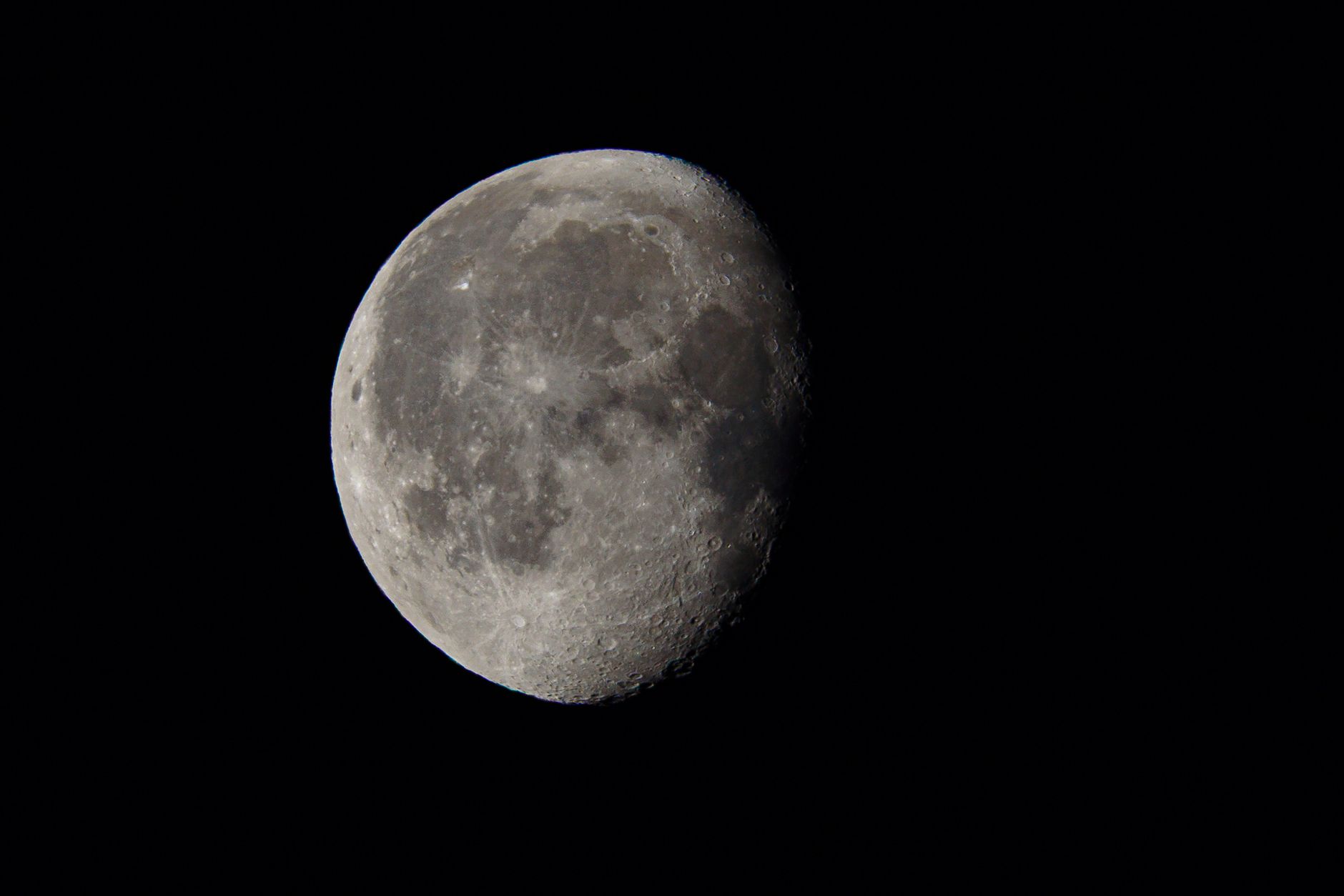
The Waning Gibbous phase begins after the Full Moon, when the moon is still more than half illuminated but visibly shrinking. Astronomically, this phase typically occurs about 7 to 14 days after the Full Moon, with illumination levels ranging from approximately 99% down to 51%. For instance, during the Full Moon of May 23, 2024, at 9:53 AM EDT, the moon was at 100% illumination. By May 30, 2024, it would have entered the Waning Gibbous phase, with its illumination decreasing each night. In my own practice, I observe this phase as a time for reflection and a more deliberate, almost gentle, process of release. It’s not about a sudden severing, but rather a conscious unfolding and letting go of things that have been brought to light by the Full Moon’s intensity.
⭐ 7 Minute Mindfulness
Top-rated 7 Minute Mindfulness — check latest deals.
Affiliate link
⭐ Moon Reading
Free personalized moon reading based on your birth chart.
Affiliate link
Spiritually, the Waning Gibbous is a period of integration and discernment. The intense energy of the Full Moon has illuminated aspects of our lives, our shadows, and our desires. Now, as the light recedes, we have the opportunity to sift through what we’ve seen. This phase is ideal for releasing habits that no longer serve our highest good, shedding old patterns of thought that hold us back, or letting go of attachments that have become burdensome. Think of it as tidying up after a grand unveiling. The energy is still strong, but it’s becoming more introspective, allowing for a thoughtful and sustained release. It’s a time to acknowledge what was revealed and to consciously decide what to release from your energetic field.
Rituals for the Waning Gibbous: Letting Go with Grace
The rituals during the Waning Gibbous phase are best approached with a sense of calm intention. These are not dramatic expulsions, but rather a steady, determined shedding. I often find myself performing these rituals in the evening, perhaps around 9 PM, when the day’s energies have settled. For breaking a persistent habit, such as excessive social media scrolling, I’ll prepare a simple release ritual. Light a white or silver candle (colors associated with the moon and purity) and write down the habit on a piece of parchment paper. As the candle burns, I’ll visualize the habit losing its grip on me, picturing the energy of the habit dissolving into the flame. Once the candle has safely burned down (always supervise candles!), I’ll safely dispose of the ashes, perhaps burying them in the earth or flushing them away, symbolizing the final release.
Another effective ritual for this phase is clearing energetic clutter from your home. This isn’t a deep cleanse, but a gentle release of stagnant energy. I like to use a smudge stick of dried mugwort (Artemisia vulgaris), known for its cleansing and protective properties. As I walk through each room, I’ll visualize the stagnant energy being drawn into the smoke and carried away. I focus on releasing any lingering negativity or residual energies from recent events. This is a wonderful practice to do around 10 PM, ensuring the space feels lighter and more peaceful before sleep. The key here is consistency; performing this ritual weekly during the Waning Gibbous can make a significant difference.
Crystals and Herbs for the Waning Gibbous
- Crystals: Selenite (for clearing and cleansing), Amethyst (for breaking bad habits and spiritual protection), Labradorite (for revealing hidden truths and releasing emotional blockages). When I charge my selenite wands, I place them on a windowsill bathed in the Waning Gibbous light for at least 4 hours, ensuring they absorb its gentle release energy.
- Herbs: Mugwort (Artemisia vulgaris) for cleansing and psychic awareness, Sage (Salvia officinalis) for purification and banishing, Lavender (Lavandula angustifolia) for peace and emotional release. I often keep a small sachet of dried lavender by my bedside during this phase to aid in releasing worries before sleep.
- Colors: White, Silver, Light Blue, Pale Grey. These colors evoke the moon’s gentle light and the clarity of release.
Journal Prompts for the Waning Gibbous
- What did the Full Moon illuminate in my life that I now need to release?
- What habits or thought patterns are gently loosening their hold, and how can I support this release?
- What energetic clutter, physical or spiritual, am I ready to let go of with grace?
- How can I integrate the lessons learned during the Full Moon into a more peaceful, lighter existence?
How can I integrate the lessons learned during the Full Moon into a more peaceful, lighter existence?
The Deep Release: Embracing the Waning Crescent Moon
The Waning Crescent phase is the final stage of the lunar cycle before the New Moon, characterized by a sliver of light that is steadily diminishing. This phase occurs roughly between 21 and 28 days after the Full Moon, with illumination levels dropping from 50% down to 1%. For example, following the Full Moon of May 23, 2024, the Waning Crescent would dominate the pre-dawn sky in late May, shrinking each day until the New Moon on June 6, 2024. This is the moon’s final bow before its period of darkness and re-birth. The energy here is profound, introspective, and intensely focused on finality and deep cleansing. It’s a time for the most potent banishing, for severing ties that are deeply entrenched, and for profound energetic purification.
Spiritually, the Waning Crescent is the ultimate phase for banishing and exorcism of energies that are deeply rooted. It’s about clearing the slate, making space for the fresh potential of the New Moon. This phase invites us to confront and release deeply ingrained fears, old wounds, destructive patterns that feel almost impossible to break, or any lingering attachments that feel spiritually suffocating. The energy is one of finality, of drawing a line in the sand. It’s a powerful time to ask the universe to help you release what you can no longer carry, to sever cords that bind you to the past, and to purify your energetic field before the cycle begins anew. I’ve found that rituals performed under this sliver of light have an undeniable potency for deep, lasting change.
Rituals for the Waning Crescent: Severing and Purifying
Rituals during the Waning Crescent phase should be approached with reverence and a clear intention for ultimate release. I typically perform these rituals in the deep pre-dawn hours, often between 3 AM and 5 AM, when the veil between worlds feels thinnest and the moon’s subtle power is most accessible. For severing deeply ingrained negative patterns, such as self-sabotage, I utilize a cord-cutting ritual. This involves using two black candles, representing the pattern and myself. I visualize the energetic cord connecting me to the pattern and then, using a silver athame or ritual knife, I dramatically cut the cord between the two candles while chanting an incantation of release. The black candles are then extinguished and buried separately, symbolizing the complete severance. This is a powerful practice that I’ve found effective for patterns that feel almost impossible to shift.
Another potent ritual for this phase is a deep energetic purification bath. I’ll prepare a bath with Epsom salts (Magnesium sulfate), known for their detoxifying properties, and add 7 drops of black pepper essential oil (Piper nigrum) for banishing and protection, and 3 drops of rosemary essential oil (Rosmarinus officinalis) for purification. As I soak, I visualize all negativity, old energies, and attachments dissolving into the water and being washed away. I imagine my energetic body becoming a clean, clear vessel, ready for the New Moon’s blessings. I often stay in the bath for at least 20 minutes, focusing on my breath and the feeling of release. This ritual is best performed just before the New Moon, perhaps the night before or the morning of, to ensure maximum energetic readiness.
Crystals and Herbs for the Waning Crescent
- Crystals: Black Tourmaline (for powerful protection and banishing negativity), Obsidian (for grounding and releasing energetic blockages), Smoky Quartz (for absorbing and neutralizing negative energy). I keep a piece of black tourmaline in my car to absorb any negative energies I encounter on the road.
- Herbs: Rosemary (Rosmarinus officinalis) for purification and banishing, Wormwood (Artemisia absinthium) for potent banishing and spiritual protection, Rue (Ruta graveolens) for breaking curses and energetic cleansing. Rue is a powerful herb and should be used with respect and caution, as it can be toxic if ingested.
- Colors: Black, Deep Purple, Dark Grey, Silver. These colors represent the deep introspection, banishing, and the final sliver of moonlight.
Journal Prompts for the Waning Crescent
- What deeply ingrained fears or patterns am I ready to release completely?
- What energetic cords are binding me to the past, and how can I sever them now?
- What spiritual purification is needed to prepare myself for the New Moon cycle?
- What does ‘making space’ truly mean for me right now, energetically and spiritually?
What does ‘making space’ truly mean for me right now, energetically and spiritually?
Waning Gibbous vs. Waning Crescent: The Crucial Distinction for Banishing
The primary distinction between the Waning Gibbous and Waning Crescent phases for banishing rituals lies in the *depth* and *nature* of the release. The Waning Gibbous is for the “tidying up” phase, the conscious release of things that have been brought to your attention by the Full Moon. It’s about letting go of habits that are becoming inconvenient, shedding attachments that are starting to chafe, or releasing negative thought patterns that are no longer serving your progress. The energy is still relatively bright and expansive, allowing for a more gentle, reflective, and sustained release. Think of it as a methodical decluttering of your life and spirit.
Conversely, the Waning Crescent is the phase for the “deep clean,” the profound severing of what is deeply entrenched and potentially harmful. This is where you tackle the big stuff: long-held traumas, deeply ingrained self-sabotaging behaviors, spiritual attachments that feel suffocating, or curses and energetic blockages that feel almost insurmountable. The energy is diminishing, introspective, and intensely focused on finality. It’s the moon’s final, powerful push to clear the way for new beginnings. If you’re looking to break a truly destructive pattern or sever a toxic tie, the Waning Crescent offers a more potent, definitive energetic support. It’s the cosmic equivalent of drawing a final, bold line and saying, “No more.”
When to Choose Which: A Practical Guide
Choosing between the Waning Gibbous and Waning Crescent for your banishing rituals depends entirely on the nature of what you wish to release. If you’re looking to release something that has become apparent recently, or something that feels like a persistent but manageable annoyance, the Waning Gibbous is your ally. This is perfect for releasing minor anxieties, letting go of a specific unhealthy food craving that has recently emerged, or clearing out old emails and digital clutter that are weighing you down. The energy supports a steady, consistent release over several days or even weeks.
However, if you are facing something that feels deeply rooted, something that has plagued you for a long time, or something that feels energetically “sticky” and resistant to change, then the Waning Crescent is the superior choice. This is for releasing deep-seated fears, breaking free from generational patterns, or severing cords from toxic relationships that have had a profound impact. The potent, finalizing energy of the Waning Crescent is ideal for these more intense, transformative acts of release. It’s about making space for true rebirth by clearing out the deepest shadows.
Void-of-Course Moon Considerations
It is crucial to be aware of Void-of-Course (VOC) moon periods, especially when performing banishing rituals. A VOC moon is a period when the moon has made its last major aspect to another planet and has not yet made its next. These times are often considered energetically “unmoored,” and while they can sometimes be useful for spontaneous release, they can also make intentions less focused or lead to unintended consequences. For potent banishing, it’s generally best to schedule your rituals during the Waning Gibbous or Waning Crescent phases *outside* of VOC periods. For example, if a VOC period falls during a Waning Gibbous night, it might be better to shift your ritual to the next night when the moon is no longer VOC. Always check a reliable ephemeris or astrological calendar for precise VOC times. For instance, the Waning Gibbous phase of May 28, 2024, might contain a VOC period, making it less ideal for a focused release ritual compared to a night without it.
Always check a reliable ephemeris or astrological calendar for precise VOC times.
The Art of Energetic Release: A Personal Reflection
I remember a time when I was struggling to release a deeply ingrained pattern of perfectionism. It had followed me for years, impacting my relationships and my creative output. I tried various methods, but it always seemed to creep back. It wasn’t until I consciously aligned my efforts with the lunar cycle that I saw a significant shift. During a Waning Gibbous phase, I performed gentle release rituals, focusing on acknowledging the pattern and its impact. Then, as the moon entered its Waning Crescent phase, I performed a powerful cord-cutting ritual, visualizing the severing of that perfectionistic energy. The combination was transformative. The Gibbous phase helped me understand and prepare for the release, while the Crescent phase provided the potent energy needed for a definitive break. This personal experience solidified for me the power of working with the moon’s specific energies.
The key takeaway is that the moon’s phases are not merely markers of time; they are energetic currents that we can harness for our spiritual growth. The Waning Gibbous offers a supportive space for thoughtful, steady release, allowing us to shed what no longer serves with grace. The Waning Crescent, on the other hand, provides a powerful, final push, enabling us to banish the most stubborn energies and create profound energetic shifts. By understanding and respecting the unique qualities of each phase, we can significantly amplify the effectiveness of our banishing rituals, ensuring that our intentions are met with the most potent celestial support.
So, which phase is “best” for banishing? It depends on what you are banishing. For a gentle exhale of what’s no longer needed, turn to the Waning Gibbous. For a deep, cleansing sigh that severs old ties and purifies your spirit, embrace the Waning Crescent. I encourage you to experiment, to observe, and to feel into the energy of each phase for yourself. Your intuition, guided by the moon’s wisdom, will always lead you to the most potent path.
Here are three concrete actions you can take this lunar cycle:
- Observe the Moon: Make a point to look at the moon each night during its waning period. Notice its shape and how it feels energetically.
- Set a Focused Intention: Before your next waning phase, decide what specific thing you wish to release. Is it a habit, a fear, an attachment?
- Choose Your Ritual: Based on the depth of your intention, select either a Waning Gibbous ritual (gentle release) or a Waning Crescent ritual (deep banishing).
My recommendation is to try a Waning Gibbous ritual first for any new release intention. If you find the energy is still strong or the pattern persists, then escalate to a Waning Crescent ritual for a more powerful severing. This layered approach ensures you are working with the moon’s energy most effectively.
Deepen your practice, one ritual at a time
Join our circle for seasonal rituals, moon guides, and gentle prompts — sent with intention, never spam.
Frequently Asked Questions
When is the Waning Gibbous phase?
The Waning Gibbous phase begins immediately after the Full Moon and lasts until the Third Quarter Moon. This typically spans about a week, during which the moon’s illumination decreases from over 99% to just over 50%. For example, if a Full Moon occurs on the 15th of the month, the Waning Gibbous would generally cover the period from the 16th to the 22nd, depending on the precise timing of the Third Quarter Moon.
What kind of rituals are best for the Waning Crescent?
The Waning Crescent is the most potent time for deep banishing rituals. This includes severing energetic cords from toxic relationships, releasing deeply ingrained negative patterns or fears, breaking curses, and performing profound spiritual purification. Rituals involving cord-cutting, powerful cleansing baths, or symbolic destruction of what you wish to release are highly effective during this phase.
Can I do banishing rituals during a Void-of-Course moon?
While some practitioners find VOC periods useful for spontaneous or less defined releases, it is generally recommended to avoid performing focused banishing rituals during these times. The energy of a VOC moon is considered unpredictable and can lead to intentions not manifesting as intended, or even backfiring. It’s best to schedule your banishing rituals during the Waning Gibbous or Waning Crescent phases when the moon is *not* Void-of-Course for maximum efficacy and safety.
Is there a difference between banishing and cleansing?
Yes, there is a subtle but important difference. Cleansing is about removing stagnant or negative energy, much like sweeping a room. Banishing is a more active and deliberate process of sending away specific energies, entities, or influences that are unwanted. While cleansing can be done at any time, banishing is most potent during the waning phases of the moon, particularly the Waning Crescent for deep, definitive removal.
Join The Mystic Circle
Weekly spells, moon rituals & magickal wisdom — plus a free ritual planner.

🌙 Get a Free AI Tarot Reading
Luna reads the cards just for you — powered by AI, guided by the moon. No account needed.
Draw Your Cards Now ✨Powered by Luna's Circle — AI Spiritual Guidance
Your Free Moon Ritual Calendar
24 rituals for every new and full moon of 2026, plus sabbat celebrations, moon water guide, and monthly correspondences.
Get the Moon CalendarAlso: Free Spellbook