Category: Moon Phases

  • Scrying vs. Tarot Under the Full Moon: A Comparative Guide to Divination Methods

    Scrying vs. Tarot Under the Full Moon: A Comparative Guide to Divination Methods


    The Full Moon, that luminous orb hanging like a pearl in the velvet night sky, isn’t just a celestial spectacle; it’s a potent amplifier for magic. For centuries, practitioners have recognized its peak energy as an ideal time to seek profound insights, to bring hidden things to light, and to engage in deep divination. When that silvery glow bathes your sacred space, two powerful tools often come to mind: the ancient art of scrying and the universally beloved tarot. But which is the better companion for your Full Moon workings? While both offer windows into the unseen, their methods, messages, and ideal applications under the Full Moon’s gaze are distinct. Scrying, with its fluid, intuitive nature, can feel like gazing into a living, breathing oracle, while tarot provides structured, symbolic narratives that speak in archetypes. Understanding their unique strengths allows us to choose the right tool for the right question, ensuring our Full Moon divination is as potent and clear as the moon itself.

    14 min read

    Key Takeaways

    • The Full Moon’s Energetic Embrace: A Divinatory Apex
    • Scrying Under the Full Moon: Gazing into the Lunar Mirror
    • Tarot Under the Full Moon: Archetypal Wisdom Amplified
    • Comparing the Messages: Fluidity vs. Structure

    The Full Moon’s Energetic Embrace: A Divinatory Apex

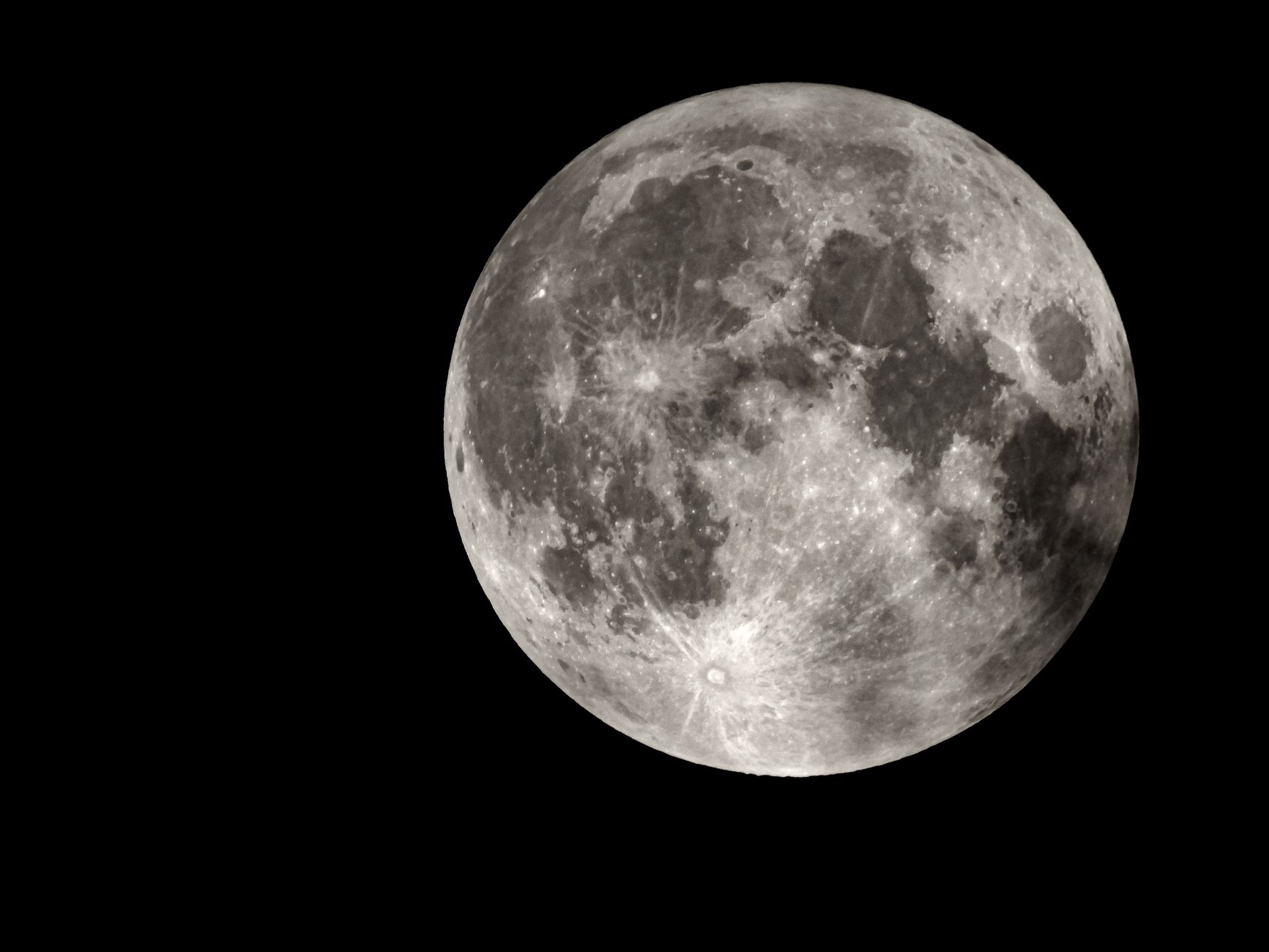
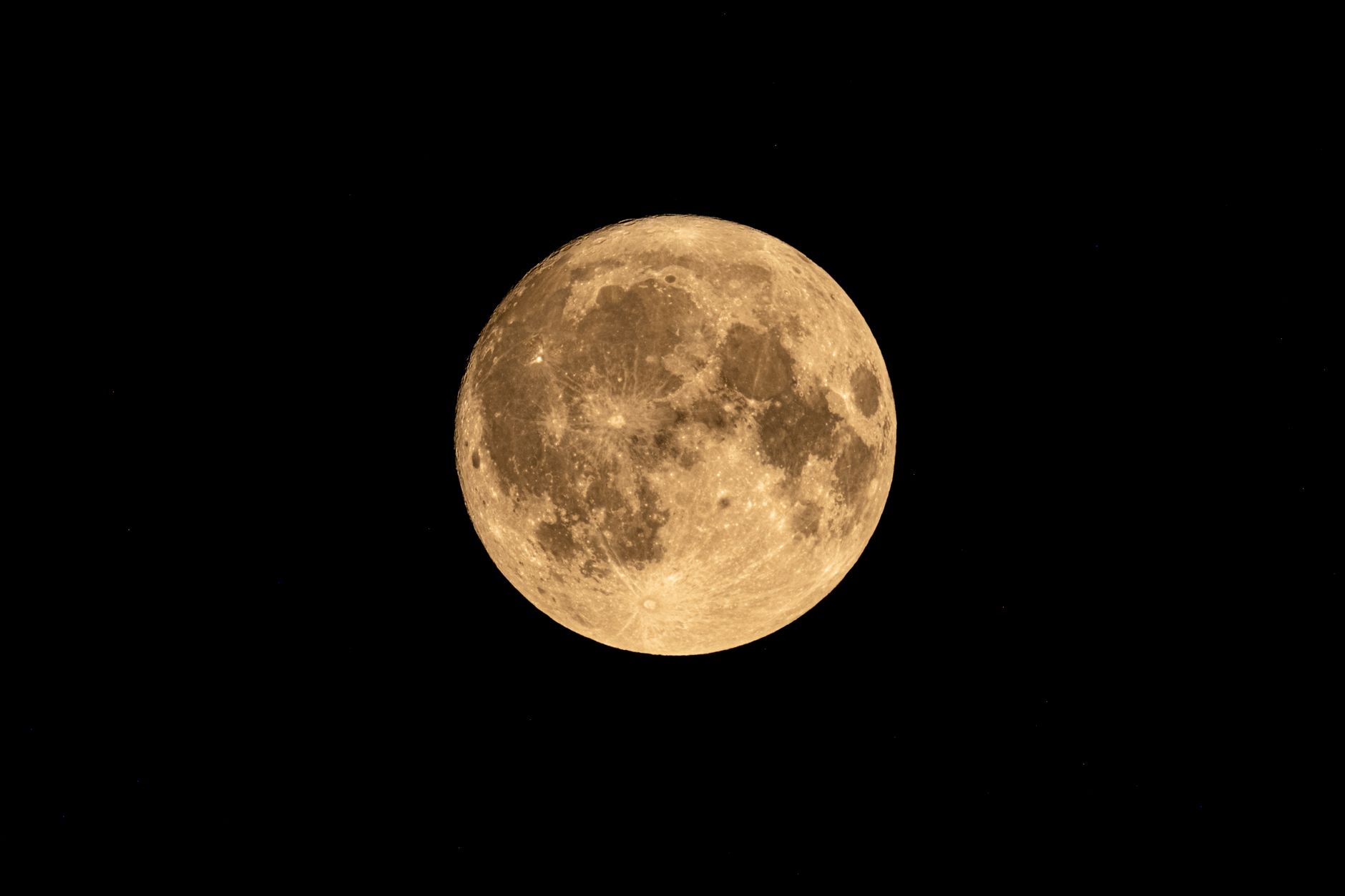
    The Full Moon marks the culmination of the lunar cycle, a time when lunar energy is at its zenith. Astronomically, this occurs when the Earth is positioned directly between the Sun and the Moon, causing the Moon to be fully illuminated from our perspective. For instance, the Full Moon of October 2024, often called the Hunter’s Moon, will reach its peak illumination at 7:51 AM EDT on October 17th, reaching 99.9% brightness. This period, spanning roughly three days before and after the exact peak, is characterized by heightened intuition, emotional intensity, and a powerful pull towards revelation. The veil between worlds thins, making it an opportune moment for deep introspection and for receiving guidance on matters that have been brewing beneath the surface, much like the moon itself emerges from darkness.

    This amplified energy is not merely symbolic; it can influence our own energetic fields, making us more receptive to subtle messages. Think of it like tuning a radio to a stronger station; the Full Moon provides a clearer signal for spiritual communication. This is why many witches and mystics schedule their most significant rituals and divinations during this phase. The light of the Full Moon is said to illuminate truths, expose illusions, and bring subconscious patterns into conscious awareness. It’s a time for clarity, for seeing things as they truly are, and for understanding the culmination of journeys initiated during the New Moon. This potent, illuminating energy is precisely what makes the Full Moon an unparalleled time for both scrying and tarot readings, each offering a unique lens through which to view the revelations it brings.

    It’s a time for clarity, for seeing things as they truly are, and for understanding the culmination of journeys initiated during the New Moon.

    Scrying Under the Full Moon: Gazing into the Lunar Mirror

    Scrying, the practice of gazing into a reflective surface to receive visions or insights, is an ancient art deeply connected to lunar energies. Traditionally, water, polished obsidian, or a dark mirror have been used. Under the Full Moon, the practice takes on an even more profound dimension. The moon’s light, reflecting off the scrying surface, can create an almost hypnotic effect, deepening the trance state and enhancing receptivity. When I set up my scrying ritual on a Full Moon night, I often use a shallow obsidian bowl filled with pure spring water, placing it where the moonlight can directly touch its surface. The water itself becomes a liquid mirror, imbued with the moon’s potent, reflective energy. This direct connection amplifies the visions, making them feel more immediate and visceral.

    The messages received through scrying are often symbolic, fluid, and highly intuitive. Unlike the structured imagery of tarot, scrying visions can appear as fleeting shapes, colors, scenes, or even feelings. They are less about direct answers and more about experiencing a narrative or receiving a feeling-state that guides understanding. For example, during a recent Full Moon, I scryed for guidance on a creative block. Instead of seeing a clear solution, I witnessed a swirling vortex of dark blues and purples, followed by the image of a tiny seedling pushing through cracked earth. This conveyed a message of needing to embrace the unknown and trust that new growth was possible, even amidst apparent stagnation. The Full Moon’s illumination helps to clarify these often abstract symbols, making the intuitive leap towards understanding more accessible. The key is to approach scrying with an open mind, ready to interpret the subtle language of the subconscious and the cosmos.

    Full Moon Scrying Ritual Setup

    • The Vessel: Choose a dark, reflective surface. A polished black obsidian mirror (around 8-10 inches in diameter) is traditional and excellent for Full Moon work, as obsidian is known for its grounding and protective qualities. Alternatively, a simple dark scrying bowl or even a basin of still, clear water can be used. Ensure the surface is clean and free of smudges.
    • The Light: Place your scrying tool where the Full Moon’s light can directly fall upon it. This is crucial for imbuing the tool with lunar energy. If direct moonlight isn’t possible, position it near a window where the light is strong, or use a silver or white Candles placed strategically to mimic moonlight.
    • The Atmosphere: Create a sacred space. Light a white or silver candle to represent the Full Moon. Burn Incense like Frankincense (Boswellia serrata) for purification and clarity, or Mugwort (Artemisia vulgaris) for enhanced psychic perception. Ensure you are undisturbed.
    • Your State: Ground yourself before beginning. Deep breathing exercises, a short meditation, or a simple grounding ritual can prepare you. Approach the scrying with a clear intention or question.

    Approach the scrying with a clear intention or question.

    Tarot Under the Full Moon: Archetypal Wisdom Amplified

    Tarot, with its rich tapestry of archetypes and symbolic imagery, offers a different, yet equally profound, avenue for divination under the Full Moon. The structured nature of the cards, with their specific meanings and interconnectedness within a spread, provides a more defined narrative than scrying. When the Full Moon’s energy surges, the archetypal energies represented in the tarot deck can feel amplified. A card like The Moon, often associated with illusion, intuition, and the subconscious, can speak with extraordinary clarity during this phase. Similarly, The Sun, representing illumination and truth, can reveal hidden aspects of a situation. I’ve found that readings performed under the Full Moon often bring suppressed issues to the forefront, making it an ideal time for shadow work and for uncovering truths we might otherwise avoid.

    The advantage of tarot during a Full Moon is its ability to provide context and detail. While scrying might offer a symbolic feeling, tarot can lay out a story, revealing relationships between different facets of a situation. For instance, if scrying reveals a feeling of being overwhelmed, a Full Moon tarot spread might show *why* you feel overwhelmed (e.g., The Tower card indicating sudden upheaval) and what steps you can take (e.g., The Star offering hope and guidance). The Full Moon’s energy helps to cut through confusion, allowing the core messages of the cards to shine through with remarkable clarity. It’s as if the lunar light illuminates the very essence of each card’s message, making the reading feel particularly potent and definitive. This makes tarot an excellent tool for gaining closure, understanding the culmination of events, or receiving direct advice when the Full Moon’s illuminating power is at its peak.

    Full Moon Tarot Spread: The Lunar Revelation

    This spread is designed to harness the Full Moon’s energy for deep insight and revelation. It’s particularly useful for understanding a situation that has reached a climax or for seeking clarity on a matter that requires illumination.

    1. The Culmination: What has reached its peak or is coming to fruition?
    2. The Hidden Truth: What has been concealed or is now being revealed?
    3. The Underlying Emotion: What emotional energy surrounds this situation?
    4. The Guidance: What action or understanding is illuminated by the Full Moon?
    5. The Outcome: What is the potential result or next step forward?

    Setup: Shuffle your tarot deck while focusing on your intention or question. As you shuffle, visualize the Full Moon’s light infusing your cards. Lay out the cards in a crescent moon shape, with card 1 at the bottom, cards 2 and 3 on either side, and cards 4 and 5 above them. Work with a black or deep blue cloth, often associated with the night sky and mystery. You might also place a piece of Clear Quartz (Quartzum) near your spread to amplify the energies and ensure clarity.

    You might also place a piece of Clear Quartz ( Quartzum ) near your spread to amplify the energies and ensure clarity.

    Comparing the Messages: Fluidity vs. Structure

    The fundamental difference in the messages received from scrying and tarot under the Full Moon lies in their nature: scrying offers a fluid, intuitive, and often symbolic stream, while tarot provides a structured, narrative-driven interpretation of archetypal energies. When I’m seeking a gut feeling or a symbolic nudge, especially when I feel stuck in my head, I turn to scrying. The visions can be abstract—a color, a shape, a fleeting image—but they bypass the logical mind and speak directly to the subconscious. For example, during a Full Moon that coincided with a personal crisis, my scrying revealed a single, bright red feather falling slowly. It wasn’t a direct instruction, but it evoked a sense of lightness, resilience, and hope, a feeling that helped me navigate the storm. This kind of intuitive download is scrying’s superpower.

    Tarot, on the other hand, excels at providing context and clarity for more complex situations. If I need to understand the *why* behind a feeling or the *how* of a situation’s progression, tarot is my go-to. The cards, when laid out in a spread, tell a story. A Full Moon tarot reading for a relationship issue might reveal not just that there’s tension (perhaps indicated by the Two of Swords) but also the underlying cause (the Four of Pentacles, suggesting a fear of loss) and advice for resolution (the Ten of Cups, pointing towards emotional fulfillment). The Full Moon’s illumination helps to clarify these relationships between cards, making the interpretation more precise and actionable. It’s like comparing a dream to a well-written allegory; both are profound, but they communicate in different languages.

    It’s like comparing a dream to a well-written allegory; both are profound, but they communicate in different languages.

    Timing and Practicalities: Maximizing Full Moon Divination

    To truly maximize the potency of your Full Moon divination, precise timing is key. The Full Moon phase itself offers a window of amplified energy, typically lasting for about three days centered around the peak illumination. For example, if the Full Moon peaks on a Tuesday at 2 PM, the energy is considered high from Monday morning through Thursday morning. However, the *exact* moment of Full Moon is when the lunar and solar energies are in perfect opposition, creating a unique energetic tension that can be incredibly revealing. Many practitioners choose to perform their most significant divinations within a few hours of this exact peak.

    It’s also crucial to be aware of Void-of-Course (VOC) Moon periods. A VOC Moon occurs when the Moon has made its last major aspect to another planet before it enters a new sign. During this time, lunar energy is said to be scattered or ineffective, and outcomes of actions initiated can be unpredictable or nullified. For instance, if the Full Moon in Aries is at 28 degrees and has made its last aspect, and then enters Taurus, the time between those events is VOC. Initiating a major divination during a VOC Full Moon might yield confusing or unreliable results. I always check my lunar calendar for VOC times; if my intended divination falls within one, I’ll reschedule for just before or after the VOC window closes, ensuring my Full Moon working is grounded in potent, focused lunar energy. For the Full Moon in Libra on October 17, 2024, the VOC period to watch for is after the Moon leaves Libra and before it enters Scorpio, typically a few hours before the exact peak or immediately after, depending on the specific astrological chart for that day.

    Crystals and Herbs for Amplification

    To further enhance your Full Moon scrying or tarot practice, incorporating specific crystals and herbs can create a synergistic energetic field. For scrying, especially when using water, Moonstone (Feldspar) is a natural ally. Its iridescent sheen mirrors the moon’s glow, and it’s known for enhancing intuition, psychic abilities, and emotional balance—all crucial for interpreting fluid visions. Placing a charged Moonstone near your scrying bowl can deepen the connection to lunar energies. For tarot, Clear Quartz (Quartzum) is invaluable. Its amplifying properties can boost the clarity of the cards’ messages, and it helps to dispel any energetic clutter that might obscure the reading. I often cleanse my tarot deck with Clear Quartz points during the Full Moon, placing them around the deck for at least four hours.

    ⭐ Crystals

    Check Crystals →

    Affiliate link

    Herbs also play a significant role. Mugwort (Artemisia vulgaris) is a classic herb for divination, particularly for enhancing psychic vision and dream recall. Burning mugwort incense or creating a mugwort smudge stick to waft around your divination tools can open your third eye. Frankincense (Boswellia serrata) is another excellent choice; its resinous aroma is known for its purifying properties and its ability to elevate consciousness, making it easier to connect with higher guidance. You can burn Frankincense resin on charcoal in a heatproof censer or use Frankincense essential oil in a diffuser. For both scrying and tarot, consider using a dark blue or silver cloth for your altar or reading surface; these colors are strongly associated with the moon, intuition, and the subconscious mind, further anchoring your practice in the Full Moon’s potent energy.

    Journal Prompts for Full Moon Reflection

    The Full Moon is a time of illumination, and journaling is a powerful way to capture and process the insights gained from your divination. After your scrying session or tarot reading, take some time to reflect on the experience. The following prompts can help guide your journaling, allowing you to integrate the Full Moon’s revelations:

    • What dominant images, colors, or feelings arose during my scrying session? How do these relate to my current life situation or the question I asked?
    • Which Tarot Cards appeared in my reading, and what story did they tell? Did any card surprise me, and why?
    • How did the Full Moon’s energy feel during my divination practice? Was it intense, calm, revealing, or something else?
    • What hidden truths or subconscious patterns did my divination bring to light? Am I ready to acknowledge and integrate these?
    • What specific advice or guidance did I receive? What is one concrete step I can take based on this insight?
    • How does this Full Moon divination connect to intentions or questions I had during the New Moon?

    Writing down your experiences, interpretations, and emotional responses creates a personal record of your lunar journey. It allows you to track patterns over time and deepen your understanding of your own intuitive language and the cyclical wisdom of the moon. My own journals are filled with scribbled visions, card interpretations, and the dates of Full Moons, serving as a rich archive of my spiritual growth.

    Altar Setup for Full Moon Divination

    Creating a dedicated altar space for your Full Moon divination enhances the ritual’s focus and sacredness. Start with a dark cloth, perhaps deep indigo, black, or silver, to represent the night sky and the moon’s reflective surface. Place your chosen divination tool—your scrying mirror or tarot deck—at the center. If using a scrying bowl with water, ensure it’s stable and positioned to catch moonlight if possible. For tarot, you might lay out the cards for a specific spread or simply have the deck and a chosen spread cloth ready.

    Incorporate symbols of the Full Moon: a silver chalice filled with water to catch the moonlight, a clear quartz crystal to amplify energy, or a representation of a lunar deity if you work with one. White or silver candles are essential to symbolize the moon’s light. You might also include herbs like mugwort or lavender for psychic enhancement, perhaps in a small bowl or as a smudge stick. Consider adding personal items that represent your intention for the divination—for example, if you’re seeking clarity on career, include an item related to your profession. The goal is to create a space that feels both personally sacred and energetically attuned to the potent, revealing energies of the Full Moon, making your chosen divination method as effective as possible.

    ⭐ candles

    Check candles →

    Affiliate link

    Ultimately, the choice between scrying and tarot under the Full Moon is not about one being superior, but about understanding their unique gifts. Scrying offers a direct, intuitive plunge into the subconscious, a fluid dance with lunar energies that bypasses the analytical mind. Tarot, conversely, provides a structured, archetypal narrative, illuminating connections and offering clearer guidance through its symbolic language. Both are powerful allies when the moon hangs full and bright. My personal practice often involves using them in tandem: perhaps a scrying session to get a general feeling or symbolic impression, followed by a tarot reading to flesh out the details and provide actionable steps. The Full Moon’s powerful illumination makes both methods incredibly potent. For your next Full Moon, I encourage you to experiment: try a brief scrying session with a bowl of water, then pull just three tarot cards for insight. Observe how the messages differ and how they complement each other. Share your experiences in the comments below – let’s grow together under the moon’s watchful gaze!

    ⭐ Tarot Cards

    Check Tarot Cards →

    Affiliate link


    Sources & further reading

    Frequently Asked Questions

    Can I use a regular household mirror for scrying under the Full Moon?

    Yes, you absolutely can! While traditional scrying mirrors are often made of obsidian or dark polished surfaces, a regular mirror can be adapted. For Full Moon scrying, it’s best to use a mirror with a dark frame or to cover the frame with black tape. You can also place a dark cloth behind the mirror or use it in a dimly lit room where the reflection is softened. The key is to create a surface that allows you to gaze beyond its literal reflection into the depths of your intuition, and the Full Moon’s light will help imbue it with energy.

    How long should I scry or read tarot under the Full Moon?

    There’s no strict rule, but aim for quality over quantity. For scrying, sessions can range from 15 minutes to an hour. It’s more about reaching a receptive state than a set time. For tarot, a focused reading might take 20-45 minutes, including shuffling, laying out cards, and interpretation. Pay attention to your energy levels; if you feel fatigued, it’s better to stop and return later. The Full Moon’s energy is potent, so even a shorter, focused session can be incredibly effective.

    What if I don’t see any visions when scrying?

    This is very common, especially when starting out! Scrying isn’t always about dramatic visions. Sometimes, the insight comes as a feeling, a subtle shift in awareness, a symbol that appears later in your mind, or even a dream. Don’t force it. Relax, breathe, and observe any subtle impressions without judgment. If nothing comes, simply spend the time in quiet contemplation or gratitude for the moonlight. The practice itself is beneficial for developing intuition, and visions often come with consistent practice and patience.

    Is it okay to use different decks for scrying and tarot?

    Absolutely! Many practitioners have different decks for different purposes. You might have a primary tarot deck for general readings, and perhaps another deck specifically for shadow work or Full Moon readings. Similarly, you might have a dedicated scrying mirror or bowl. If you feel a particular tarot deck resonates with the intensity of the Full Moon, use that one. The most important thing is that your tools feel energetically aligned with you and the purpose of your ritual.


  • Waning Gibbous vs. Crescent: Best Moon Phase for Banishing

    Waning Gibbous vs. Crescent: Best Moon Phase for Banishing

    This article contains affiliate links. We may earn a commission at no extra cost to you. Full disclosure.


    The moon, in her ever-shifting phases, offers a potent, cyclical rhythm to our spiritual work, a celestial heartbeat that guides us through periods of growth and periods of release. But when the moon begins her descent from fullness, a subtle yet significant energetic shift occurs, calling us to shed what no longer serves. I’ve spent countless nights observing these transitions, meticulously charting the moon’s illumination and its effect on my own practice. Recently, I found myself contemplating the nuances between the Waning Gibbous and Waning Crescent phases, particularly for banishing rituals. It struck me that while both are waning, their energies are distinct, like the difference between a gentle exhale and a deep, cleansing sigh. One is about a steady, determined release, while the other is about a profound, almost final letting go. Understanding this difference can profoundly impact the efficacy of your ritual work, ensuring you align your intentions with the moon’s most supportive phase.

    13 min read

    Key Takeaways

    • The Gentle Unfurling: Understanding the Waning Gibbous Moon
    • The Deep Release: Embracing the Waning Crescent Moon
    • Waning Gibbous vs. Waning Crescent: The Crucial Distinction for Banishing
    • The Art of Energetic Release: A Personal Reflection

    The Gentle Unfurling: Understanding the Waning Gibbous Moon

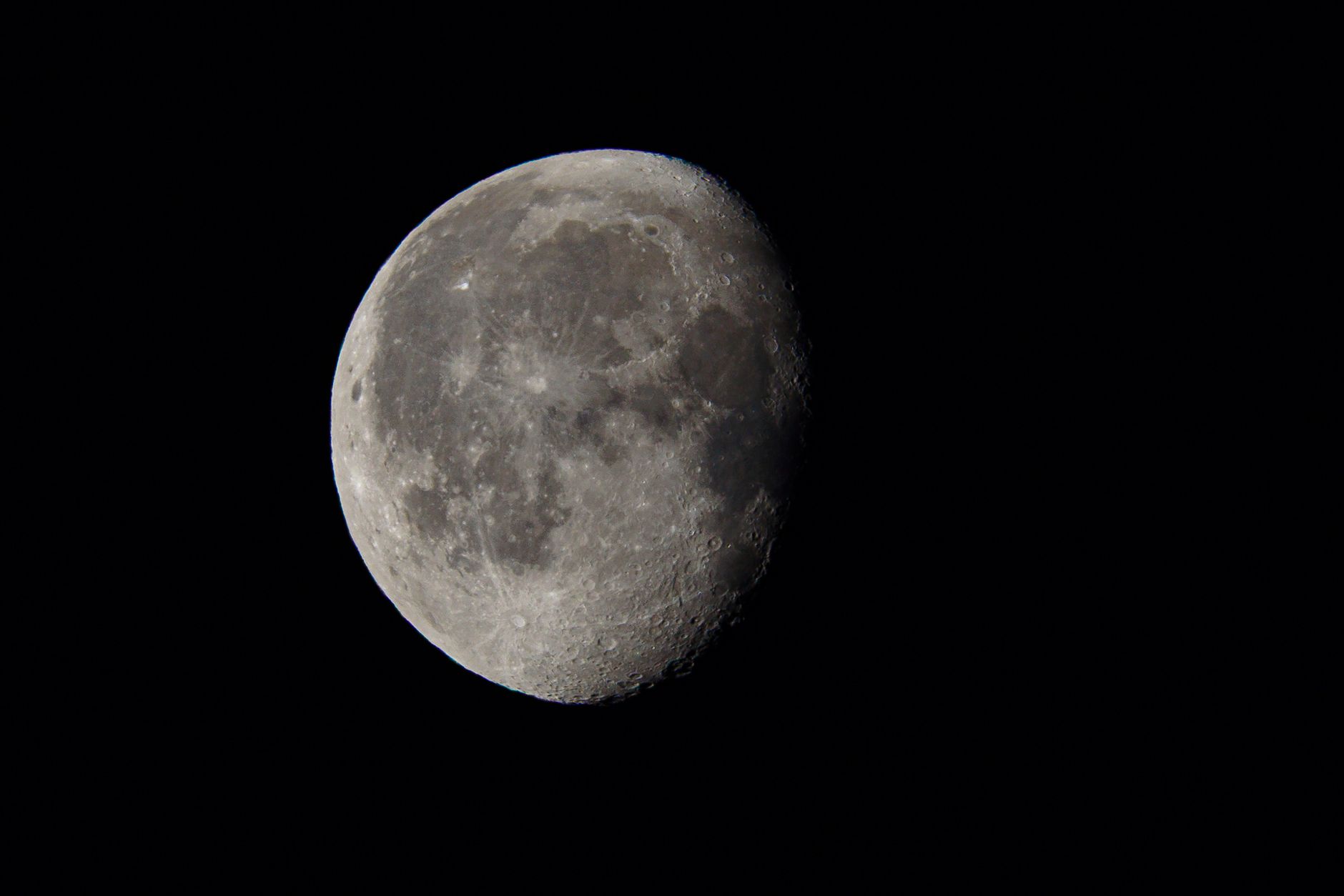
    The Waning Gibbous phase begins after the Full Moon, when the moon is still more than half illuminated but visibly shrinking. Astronomically, this phase typically occurs about 7 to 14 days after the Full Moon, with illumination levels ranging from approximately 99% down to 51%. For instance, during the Full Moon of May 23, 2024, at 9:53 AM EDT, the moon was at 100% illumination. By May 30, 2024, it would have entered the Waning Gibbous phase, with its illumination decreasing each night. In my own practice, I observe this phase as a time for reflection and a more deliberate, almost gentle, process of release. It’s not about a sudden severing, but rather a conscious unfolding and letting go of things that have been brought to light by the Full Moon’s intensity.

    ⭐ 7 Minute Mindfulness

    Top-rated 7 Minute Mindfulness — check latest deals.


    Check 7 Minute Mindfulness →

    Affiliate link

    ⭐ Moon Reading

    Free personalized moon reading based on your birth chart.


    Check Moon Reading →

    Affiliate link

    ⭐ candles

    Check candles →

    Affiliate link

    ⭐ Crystals

    Check Crystals →

    Affiliate link

    Spiritually, the Waning Gibbous is a period of integration and discernment. The intense energy of the Full Moon has illuminated aspects of our lives, our shadows, and our desires. Now, as the light recedes, we have the opportunity to sift through what we’ve seen. This phase is ideal for releasing habits that no longer serve our highest good, shedding old patterns of thought that hold us back, or letting go of attachments that have become burdensome. Think of it as tidying up after a grand unveiling. The energy is still strong, but it’s becoming more introspective, allowing for a thoughtful and sustained release. It’s a time to acknowledge what was revealed and to consciously decide what to release from your energetic field.

    Rituals for the Waning Gibbous: Letting Go with Grace

    The rituals during the Waning Gibbous phase are best approached with a sense of calm intention. These are not dramatic expulsions, but rather a steady, determined shedding. I often find myself performing these rituals in the evening, perhaps around 9 PM, when the day’s energies have settled. For breaking a persistent habit, such as excessive social media scrolling, I’ll prepare a simple release ritual. Light a white or silver candle (colors associated with the moon and purity) and write down the habit on a piece of parchment paper. As the candle burns, I’ll visualize the habit losing its grip on me, picturing the energy of the habit dissolving into the flame. Once the candle has safely burned down (always supervise candles!), I’ll safely dispose of the ashes, perhaps burying them in the earth or flushing them away, symbolizing the final release.

    Another effective ritual for this phase is clearing energetic clutter from your home. This isn’t a deep cleanse, but a gentle release of stagnant energy. I like to use a smudge stick of dried mugwort (Artemisia vulgaris), known for its cleansing and protective properties. As I walk through each room, I’ll visualize the stagnant energy being drawn into the smoke and carried away. I focus on releasing any lingering negativity or residual energies from recent events. This is a wonderful practice to do around 10 PM, ensuring the space feels lighter and more peaceful before sleep. The key here is consistency; performing this ritual weekly during the Waning Gibbous can make a significant difference.

    Crystals and Herbs for the Waning Gibbous

    • Crystals: Selenite (for clearing and cleansing), Amethyst (for breaking bad habits and spiritual protection), Labradorite (for revealing hidden truths and releasing emotional blockages). When I charge my selenite wands, I place them on a windowsill bathed in the Waning Gibbous light for at least 4 hours, ensuring they absorb its gentle release energy.
    • Herbs: Mugwort (Artemisia vulgaris) for cleansing and psychic awareness, Sage (Salvia officinalis) for purification and banishing, Lavender (Lavandula angustifolia) for peace and emotional release. I often keep a small sachet of dried lavender by my bedside during this phase to aid in releasing worries before sleep.
    • Colors: White, Silver, Light Blue, Pale Grey. These colors evoke the moon’s gentle light and the clarity of release.

    Journal Prompts for the Waning Gibbous

    • What did the Full Moon illuminate in my life that I now need to release?
    • What habits or thought patterns are gently loosening their hold, and how can I support this release?
    • What energetic clutter, physical or spiritual, am I ready to let go of with grace?
    • How can I integrate the lessons learned during the Full Moon into a more peaceful, lighter existence?

    How can I integrate the lessons learned during the Full Moon into a more peaceful, lighter existence?

    The Deep Release: Embracing the Waning Crescent Moon

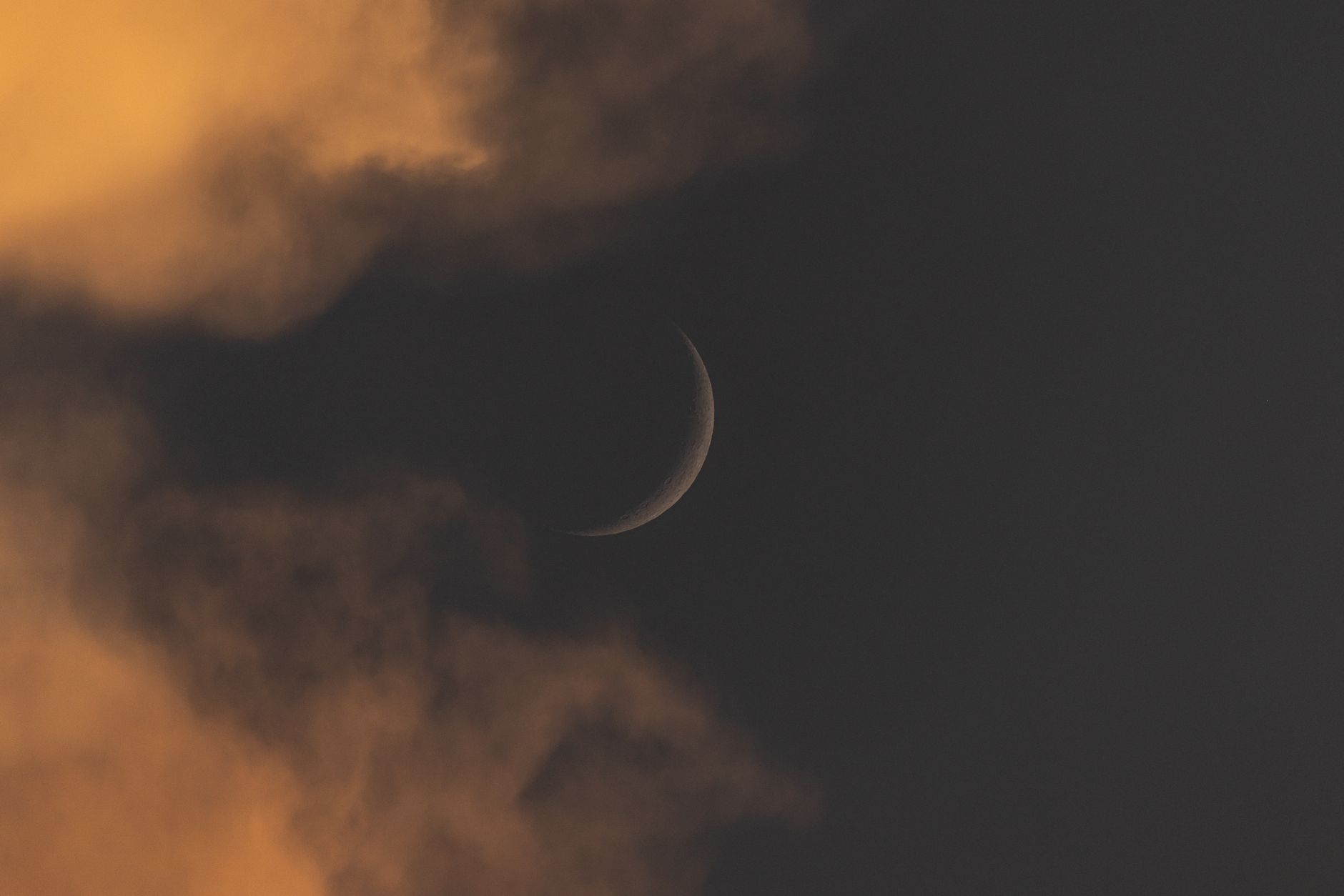
    The Waning Crescent phase is the final stage of the lunar cycle before the New Moon, characterized by a sliver of light that is steadily diminishing. This phase occurs roughly between 21 and 28 days after the Full Moon, with illumination levels dropping from 50% down to 1%. For example, following the Full Moon of May 23, 2024, the Waning Crescent would dominate the pre-dawn sky in late May, shrinking each day until the New Moon on June 6, 2024. This is the moon’s final bow before its period of darkness and re-birth. The energy here is profound, introspective, and intensely focused on finality and deep cleansing. It’s a time for the most potent banishing, for severing ties that are deeply entrenched, and for profound energetic purification.

    Spiritually, the Waning Crescent is the ultimate phase for banishing and exorcism of energies that are deeply rooted. It’s about clearing the slate, making space for the fresh potential of the New Moon. This phase invites us to confront and release deeply ingrained fears, old wounds, destructive patterns that feel almost impossible to break, or any lingering attachments that feel spiritually suffocating. The energy is one of finality, of drawing a line in the sand. It’s a powerful time to ask the universe to help you release what you can no longer carry, to sever cords that bind you to the past, and to purify your energetic field before the cycle begins anew. I’ve found that rituals performed under this sliver of light have an undeniable potency for deep, lasting change.

    Rituals for the Waning Crescent: Severing and Purifying

    Rituals during the Waning Crescent phase should be approached with reverence and a clear intention for ultimate release. I typically perform these rituals in the deep pre-dawn hours, often between 3 AM and 5 AM, when the veil between worlds feels thinnest and the moon’s subtle power is most accessible. For severing deeply ingrained negative patterns, such as self-sabotage, I utilize a cord-cutting ritual. This involves using two black candles, representing the pattern and myself. I visualize the energetic cord connecting me to the pattern and then, using a silver athame or ritual knife, I dramatically cut the cord between the two candles while chanting an incantation of release. The black candles are then extinguished and buried separately, symbolizing the complete severance. This is a powerful practice that I’ve found effective for patterns that feel almost impossible to shift.

    Another potent ritual for this phase is a deep energetic purification bath. I’ll prepare a bath with Epsom salts (Magnesium sulfate), known for their detoxifying properties, and add 7 drops of black pepper essential oil (Piper nigrum) for banishing and protection, and 3 drops of rosemary essential oil (Rosmarinus officinalis) for purification. As I soak, I visualize all negativity, old energies, and attachments dissolving into the water and being washed away. I imagine my energetic body becoming a clean, clear vessel, ready for the New Moon’s blessings. I often stay in the bath for at least 20 minutes, focusing on my breath and the feeling of release. This ritual is best performed just before the New Moon, perhaps the night before or the morning of, to ensure maximum energetic readiness.

    Crystals and Herbs for the Waning Crescent

    • Crystals: Black Tourmaline (for powerful protection and banishing negativity), Obsidian (for grounding and releasing energetic blockages), Smoky Quartz (for absorbing and neutralizing negative energy). I keep a piece of black tourmaline in my car to absorb any negative energies I encounter on the road.
    • Herbs: Rosemary (Rosmarinus officinalis) for purification and banishing, Wormwood (Artemisia absinthium) for potent banishing and spiritual protection, Rue (Ruta graveolens) for breaking curses and energetic cleansing. Rue is a powerful herb and should be used with respect and caution, as it can be toxic if ingested.
    • Colors: Black, Deep Purple, Dark Grey, Silver. These colors represent the deep introspection, banishing, and the final sliver of moonlight.

    Journal Prompts for the Waning Crescent

    • What deeply ingrained fears or patterns am I ready to release completely?
    • What energetic cords are binding me to the past, and how can I sever them now?
    • What spiritual purification is needed to prepare myself for the New Moon cycle?
    • What does ‘making space’ truly mean for me right now, energetically and spiritually?

    What does ‘making space’ truly mean for me right now, energetically and spiritually?

    Waning Gibbous vs. Waning Crescent: The Crucial Distinction for Banishing

    The primary distinction between the Waning Gibbous and Waning Crescent phases for banishing rituals lies in the *depth* and *nature* of the release. The Waning Gibbous is for the “tidying up” phase, the conscious release of things that have been brought to your attention by the Full Moon. It’s about letting go of habits that are becoming inconvenient, shedding attachments that are starting to chafe, or releasing negative thought patterns that are no longer serving your progress. The energy is still relatively bright and expansive, allowing for a more gentle, reflective, and sustained release. Think of it as a methodical decluttering of your life and spirit.

    Conversely, the Waning Crescent is the phase for the “deep clean,” the profound severing of what is deeply entrenched and potentially harmful. This is where you tackle the big stuff: long-held traumas, deeply ingrained self-sabotaging behaviors, spiritual attachments that feel suffocating, or curses and energetic blockages that feel almost insurmountable. The energy is diminishing, introspective, and intensely focused on finality. It’s the moon’s final, powerful push to clear the way for new beginnings. If you’re looking to break a truly destructive pattern or sever a toxic tie, the Waning Crescent offers a more potent, definitive energetic support. It’s the cosmic equivalent of drawing a final, bold line and saying, “No more.”

    When to Choose Which: A Practical Guide

    Choosing between the Waning Gibbous and Waning Crescent for your banishing rituals depends entirely on the nature of what you wish to release. If you’re looking to release something that has become apparent recently, or something that feels like a persistent but manageable annoyance, the Waning Gibbous is your ally. This is perfect for releasing minor anxieties, letting go of a specific unhealthy food craving that has recently emerged, or clearing out old emails and digital clutter that are weighing you down. The energy supports a steady, consistent release over several days or even weeks.

    However, if you are facing something that feels deeply rooted, something that has plagued you for a long time, or something that feels energetically “sticky” and resistant to change, then the Waning Crescent is the superior choice. This is for releasing deep-seated fears, breaking free from generational patterns, or severing cords from toxic relationships that have had a profound impact. The potent, finalizing energy of the Waning Crescent is ideal for these more intense, transformative acts of release. It’s about making space for true rebirth by clearing out the deepest shadows.

    Void-of-Course Moon Considerations

    It is crucial to be aware of Void-of-Course (VOC) moon periods, especially when performing banishing rituals. A VOC moon is a period when the moon has made its last major aspect to another planet and has not yet made its next. These times are often considered energetically “unmoored,” and while they can sometimes be useful for spontaneous release, they can also make intentions less focused or lead to unintended consequences. For potent banishing, it’s generally best to schedule your rituals during the Waning Gibbous or Waning Crescent phases *outside* of VOC periods. For example, if a VOC period falls during a Waning Gibbous night, it might be better to shift your ritual to the next night when the moon is no longer VOC. Always check a reliable ephemeris or astrological calendar for precise VOC times. For instance, the Waning Gibbous phase of May 28, 2024, might contain a VOC period, making it less ideal for a focused release ritual compared to a night without it.

    Always check a reliable ephemeris or astrological calendar for precise VOC times.

    The Art of Energetic Release: A Personal Reflection

    I remember a time when I was struggling to release a deeply ingrained pattern of perfectionism. It had followed me for years, impacting my relationships and my creative output. I tried various methods, but it always seemed to creep back. It wasn’t until I consciously aligned my efforts with the lunar cycle that I saw a significant shift. During a Waning Gibbous phase, I performed gentle release rituals, focusing on acknowledging the pattern and its impact. Then, as the moon entered its Waning Crescent phase, I performed a powerful cord-cutting ritual, visualizing the severing of that perfectionistic energy. The combination was transformative. The Gibbous phase helped me understand and prepare for the release, while the Crescent phase provided the potent energy needed for a definitive break. This personal experience solidified for me the power of working with the moon’s specific energies.

    The key takeaway is that the moon’s phases are not merely markers of time; they are energetic currents that we can harness for our spiritual growth. The Waning Gibbous offers a supportive space for thoughtful, steady release, allowing us to shed what no longer serves with grace. The Waning Crescent, on the other hand, provides a powerful, final push, enabling us to banish the most stubborn energies and create profound energetic shifts. By understanding and respecting the unique qualities of each phase, we can significantly amplify the effectiveness of our banishing rituals, ensuring that our intentions are met with the most potent celestial support.

    So, which phase is “best” for banishing? It depends on what you are banishing. For a gentle exhale of what’s no longer needed, turn to the Waning Gibbous. For a deep, cleansing sigh that severs old ties and purifies your spirit, embrace the Waning Crescent. I encourage you to experiment, to observe, and to feel into the energy of each phase for yourself. Your intuition, guided by the moon’s wisdom, will always lead you to the most potent path.

    Here are three concrete actions you can take this lunar cycle:

    • Observe the Moon: Make a point to look at the moon each night during its waning period. Notice its shape and how it feels energetically.
    • Set a Focused Intention: Before your next waning phase, decide what specific thing you wish to release. Is it a habit, a fear, an attachment?
    • Choose Your Ritual: Based on the depth of your intention, select either a Waning Gibbous ritual (gentle release) or a Waning Crescent ritual (deep banishing).

    My recommendation is to try a Waning Gibbous ritual first for any new release intention. If you find the energy is still strong or the pattern persists, then escalate to a Waning Crescent ritual for a more powerful severing. This layered approach ensures you are working with the moon’s energy most effectively.


    Frequently Asked Questions

    When is the Waning Gibbous phase?

    The Waning Gibbous phase begins immediately after the Full Moon and lasts until the Third Quarter Moon. This typically spans about a week, during which the moon’s illumination decreases from over 99% to just over 50%. For example, if a Full Moon occurs on the 15th of the month, the Waning Gibbous would generally cover the period from the 16th to the 22nd, depending on the precise timing of the Third Quarter Moon.

    What kind of rituals are best for the Waning Crescent?

    The Waning Crescent is the most potent time for deep banishing rituals. This includes severing energetic cords from toxic relationships, releasing deeply ingrained negative patterns or fears, breaking curses, and performing profound spiritual purification. Rituals involving cord-cutting, powerful cleansing baths, or symbolic destruction of what you wish to release are highly effective during this phase.

    Can I do banishing rituals during a Void-of-Course moon?

    While some practitioners find VOC periods useful for spontaneous or less defined releases, it is generally recommended to avoid performing focused banishing rituals during these times. The energy of a VOC moon is considered unpredictable and can lead to intentions not manifesting as intended, or even backfiring. It’s best to schedule your banishing rituals during the Waning Gibbous or Waning Crescent phases when the moon is *not* Void-of-Course for maximum efficacy and safety.

    Is there a difference between banishing and cleansing?

    Yes, there is a subtle but important difference. Cleansing is about removing stagnant or negative energy, much like sweeping a room. Banishing is a more active and deliberate process of sending away specific energies, entities, or influences that are unwanted. While cleansing can be done at any time, banishing is most potent during the waning phases of the moon, particularly the Waning Crescent for deep, definitive removal.


  • New Moon Zodiac: Cancer vs. Capricorn Manifestation Goals

    New Moon Zodiac: Cancer vs. Capricorn Manifestation Goals

    This article contains affiliate links. We may earn a commission at no extra cost to you. Full disclosure.


    I remember a particular New Moon in Cancer that left me feeling so deeply connected to my home and my loved ones that I spent the entire day baking bread and rearranging my living room. It felt like the universe was whispering secrets about hearth and heart, urging me to nurture the foundations of my life. Then, just months later, a New Moon in Capricorn arrived, and my focus dramatically shifted. Suddenly, I was consumed with career goals, strategic planning, and building tangible structures in my life. The contrast was stark, yet incredibly illuminating. It wasn’t just a change in mood; it was a fundamental shift in the energetic currents available to us, guiding our intentions and manifesting power. Understanding how the zodiac sign imbues each New Moon with its unique flavor is crucial for any practitioner looking to harness this potent lunar phase effectively. It’s the difference between planting seeds of emotional security and planting seeds of professional ambition, all under the same dark, fertile sky.

    14 min read

    Key Takeaways

    • The Cosmic Cradle: New Moon in Cancer’s Embrace
    • The Mountain’s Summit: New Moon in Capricorn’s Ambition
    • The Lunar Dance: Contrasting Manifestation Energies

    The Cosmic Cradle: New Moon in Cancer’s Embrace

    When the New Moon graces the sign of Cancer, the celestial waters become incredibly still and introspective. Cancer, the Cardinal Water sign ruled by the Moon itself, governs our emotional world, our home, our family (both blood and chosen), our sense of security, and our deepest feelings. This New Moon is a cosmic invitation to turn inward, to tend to the garden of our inner lives. The energy is soft, nurturing, and deeply intuitive. It’s a time when the veil between our conscious desires and our subconscious needs feels thinnest, making it a powerful moment for setting intentions related to emotional healing, strengthening family bonds, creating a sanctuary in our living space, or fostering a sense of belonging.

    ⭐ candles

    Check candles →

    Affiliate link

    ⭐ Genius Wave

    Top-rated Genius Wave — check latest deals.


    Check Genius Wave →

    Affiliate link

    ⭐ Soul Manifestation

    Top-rated Soul Manifestation — check latest deals.


    Check Soul Manifestation →

    Affiliate link

    ⭐ Crystals

    Check Crystals →

    Affiliate link

    The astronomical data for a New Moon in Cancer typically sees the Moon and Sun conjoined within the Cancerian degrees. For example, the New Moon in Cancer on July 17, 2023, occurred at 24°56′ Cancer, with the Sun also at that degree. Illumination was at its absolute lowest, around 0.00%, signifying the darkest night and the deepest potential for new beginnings. The Moon rose and set around the same time as the Sun, meaning it was not visible in the night sky, allowing for a profound sense of privacy and inner focus. In my own practice, I’ve found that intentions set during this time often manifest as subtle shifts in my emotional landscape or unexpected moments of deep connection with my household. It’s less about grand gestures and more about the quiet, steady growth of internal well-being and domestic harmony.

    Rituals for the Cancerian New Moon: Nurturing the Soul

    During a New Moon in Cancer, our rituals should mirror its gentle, nurturing, and home-centric essence. Think of creating a sacred space that feels like a warm hug. Lighting a candle in soft, oceanic blues or pearly whites can set a comforting ambiance. A simple yet powerful ritual is creating a “Hearth and Home” intention jar. Gather a small glass jar, a piece of parchment paper, and a pen. On the parchment, write down your intentions related to home, family, emotional security, or self-care. For instance, you might write: “I intend to cultivate a deeper sense of peace within my home,” or “I intend to strengthen the bonds with my children.”

    Once written, fold the parchment and place it inside the jar. You can then add symbolic items: a few dried lavender buds (Lavandula angustifolia) for peace, a small piece of rose quartz for unconditional love, or a tiny seashell to represent the ebb and flow of emotions and the comfort of the ocean. Seal the jar and place it on your altar or a prominent shelf in your home. I like to hold it in my hands, visualizing my intentions filling the jar with warm, protective energy. Some practitioners also find great solace in preparing a special meal for loved ones, infusing the food with intentions of love and unity. This act of service and nourishment is incredibly potent under this lunar influence. Remember, the goal is to create a feeling of safety, belonging, and emotional fulfillment.

    Crystals and Herbs for Cancerian New Moon Magic

    The energetic signature of a Cancer New Moon calls for tools that enhance emotional intelligence, intuition, and create a sense of security. Moonstone is an absolute must-have; its pearlescent sheen and connection to the divine feminine energy of the Moon make it unparalleled for emotional balance and intuitive development. I often place a tumbled Moonstone under my pillow during this time to encourage restful, insightful dreams. Rose Quartz, with its undeniable vibration of unconditional love, is perfect for healing emotional wounds and fostering self-compassion. Keep a piece near your heart or in your sacred space.

    For grounding and emotional stability, Moss Agate is excellent, its earthy tones and connection to nature helping to soothe anxieties and promote a sense of peace. When it comes to herbs, Lavender (Lavandula angustifolia) is a classic for its calming properties, perfect for reducing stress and promoting sleep. Chamomile (Matricaria chamomilla) is another wonderful choice, offering gentle comfort and easing digestive discomfort, which can often be linked to emotional stress. For a more potent emotional cleansing, consider Lemon Balm (Melissa officinalis), known for its uplifting and anxiety-reducing qualities. These elements work synergistically to create a ritual space that feels both deeply personal and divinely supported.

    Journal Prompts for the Cancerian New Moon
    • What does “home” truly mean to me, beyond just a physical structure?
    • Where in my life do I feel most emotionally secure, and where could I cultivate more of that feeling?
    • What family patterns (positive or negative) am I currently experiencing or perpetuating?
    • How can I better nurture myself and my emotional well-being in the coming lunar cycle?
    • What unspoken needs or desires are my intuition trying to communicate to me right now?
    • What boundaries do I need to set or reinforce to protect my emotional energy?
    • What does unconditional love look and feel like to me, and how can I embody it more fully?

    What does unconditional love look and feel like to me, and how can I embody it more fully?

    The Mountain’s Summit: New Moon in Capricorn’s Ambition

    In stark contrast to Cancer’s watery embrace, a New Moon in Capricorn brings us down to Earth with a grounded, pragmatic, and ambitious focus. Capricorn, the Cardinal Earth sign ruled by Saturn, is all about structure, discipline, responsibility, long-term goals, career, reputation, and achieving mastery. When the New Moon aligns with Capricorn, the cosmic energy shifts from introspection and emotional exploration to outward action and tangible achievement. This is the time to lay the groundwork for success, to set intentions that require dedication, strategic planning, and a disciplined approach. It’s about building something lasting, something solid, something that contributes to your legacy.

    Astronomically, a New Moon in Capricorn occurs when the Sun and Moon are conjoined within the Capricornian degrees. For instance, the New Moon in Capricorn on January 2, 2022, occurred at 12°21′ Capricorn. Again, illumination was at its lowest (0.00%), but the energetic focus is entirely different from its Cancerian counterpart. The emphasis is on the practical application of energy, on setting intentions that will require sustained effort. My experience with Capricorn New Moons is always one of heightened focus and a strong desire to check off to-do lists. I often find myself meticulously planning out projects that I might have felt too emotionally vulnerable to tackle during a Cancer New Moon. The feeling is one of determination and a clear vision of what needs to be built.

    Rituals for the Capricornian New Moon: Building Your Empire

    Rituals for a New Moon in Capricorn should reflect its disciplined, goal-oriented nature. Think of building, creating, and strategizing. Lighting candles in deep, earthy tones like forest green, charcoal grey, or rich brown can help ground the energy. A powerful ritual for this New Moon is creating a “Blueprint for Success” vision board or intention document. Unlike the emotional focus of a Cancer New Moon, this is about concrete steps and measurable outcomes. Start by clearly defining your most important long-term goals in areas like career, finances, or personal development. Write these down with as much detail as possible.

    For a vision board, gather images and words that represent the successful achievement of these goals. If your intention is to launch a business, include images of your logo, your ideal workspace, or satisfied customers. If it’s about career advancement, perhaps a picture of the office you aspire to work in or a symbol of promotion. For an intention document, list specific, actionable steps you will take over the next lunar cycle and beyond to achieve your goals. For example, “Week 1: Draft business plan outline,” “Week 2: Research potential funding sources.” Place this blueprint in a visible location where you will see it daily. I find that reviewing my Capricorn New Moon plans every morning helps keep me accountable and motivated. Some practitioners also engage in detailed financial planning or create formal business proposals during this time, channeling Capricorn’s structured energy.

    Crystals and Herbs for Capricornian New Moon Magic

    The Capricorn New Moon calls for tools that enhance discipline, ambition, and the ability to manifest concrete results. Garnet is a fantastic choice, known for its association with passion, energy, and commitment – perfect for fueling long-term projects. I often wear a garnet pendant when I need an extra boost of determination. Black Tourmaline is essential for grounding and protection, helping to clear mental clutter and shield you from doubt or negativity that can derail your ambitions. Keep a piece on your desk while you work.

    Tiger’s Eye is another powerful ally, believed to bring focus, willpower, and courage, helping you to overcome challenges and make sound decisions. For herbs, consider those associated with strength, stability, and ambition. Rosemary (Salvia rosmarinus) is excellent for mental clarity, memory, and focus, all crucial for strategic planning. Patchouli (Pogostemon cablin) is often used for grounding, prosperity, and attracting abundance, fitting for Capricorn’s material focus. For an extra boost of earthy power, consider Oak Bark (Quercus robur), symbolizing strength, endurance, and stability. These elements combine to create a potent foundation for building your aspirations into reality.

    Journal Prompts for the Capricornian New Moon
    • What are my most important long-term goals, and what legacy do I wish to build?
    • What practical steps can I take in the next lunar cycle to move closer to my ambitions?
    • Where in my life do I need to apply more discipline and structure?
    • What responsibilities am I currently avoiding, and how can I address them effectively?
    • How can I improve my reputation or professional standing in a meaningful way?
    • What resources (financial, intellectual, or otherwise) do I need to acquire to achieve my goals?
    • Am I setting realistic yet challenging goals, or am I holding myself back with self-doubt?

    Am I setting realistic yet challenging goals, or am I holding myself back with self-doubt?

    The Lunar Dance: Contrasting Manifestation Energies

    The profound difference between a New Moon in Cancer and a New Moon in Capricorn lies in their fundamental approach to manifestation. Cancer operates from the inside out, focusing on emotional foundations, nurturing, and creating a sense of inner security that then radiates outward. Its manifestations are often felt as increased harmony, deeper connections, and a greater sense of belonging. It’s about cultivating the internal soil before planting the seeds. For instance, if you set an intention for “more love” during a Cancer New Moon, it might manifest as finding a deeper appreciation for your existing relationships or feeling more self-love, rather than necessarily attracting a new romantic partner.

    Capricorn, on the other hand, works from the outside in, focusing on tangible structures, external achievements, and building a solid reputation. Its manifestations are often measurable and concrete: a promotion, a successful business venture, financial stability, or mastering a new skill. It’s about laying the bricks and mortar of your life with intention and discipline. If you set an intention for “more success” during a Capricorn New Moon, it would likely manifest as specific opportunities for advancement, increased income, or recognition for your hard work. Understanding this distinction allows us to tailor our intentions and rituals precisely to the prevailing lunar energy, making our magic far more effective. It’s like choosing the right tool for the job – a trowel for delicate seedlings versus a hammer for building a sturdy frame.

    Void-of-Course Moon Considerations

    It’s crucial to be aware of Void-of-Course (VOC) Moon periods. A VOC Moon occurs when the Moon has made its last major aspect to another planet before moving into the next zodiac sign. During this time, the Moon’s energy is considered to be “unmoored,” and intentions set or actions taken are less likely to manifest as intended, or may manifest in unexpected or delayed ways. For Cancer and Capricorn New Moons, this means that if a VOC period begins shortly after the New Moon exact time, it’s generally advisable to postpone launching major new initiatives or setting crucial intentions until the Moon enters the next sign and its energy becomes more focused again. For example, if the New Moon in Cancer is exact at 3:00 AM, but the Moon goes VOC at 5:00 AM and enters Leo at 11:00 AM, the window for potent Cancerian New Moon magic is essentially between 3:00 AM and 5:00 AM. If you are planning a significant ritual, it’s best to aim for the period immediately following the New Moon’s exact time, before any VOC period begins.

    I had all my materials ready, my marketing plan set, and felt incredibly confident. However, the enrollment numbers were dismal, and the few students who did sign up experienced technical difficulties. It was a clear sign that the energy wasn’t aligned for that kind of launch. Conversely, when I waited for the Moon to enter a more conducive sign after a VOC period, the same course launch was a resounding success. Always check your lunar calendar for precise VOC times for your specific time zone. Many reputable astrological websites and apps provide this information. For instance, the January 2, 2022, New Moon in Capricorn was VOC from 2:09 PM EST until the Moon entered Aquarius at 8:06 PM EST. This means that any intentions set *after* 2:09 PM EST on that day would be less likely to manifest effectively. Always aim to set your intentions during the New Moon’s peak energy, before it goes VOC.

    Altar Setup: Cancer vs. Capricorn New Moons

    Your altar setup can be a powerful reflection of the New Moon’s sign. For a New Moon in Cancer, think of creating a cozy, inviting sanctuary. Use soft, flowing fabrics like silk or velvet in shades of silver, white, or pale blue. Incorporate elements like seashells, small bowls of water, images of the moon, and perhaps a family photo or a cherished object that represents home. Candles in pearly white or seafoam green can add to the ambiance. The focus is on creating a space that feels nurturing and emotionally resonant. I often place a small pitcher of fresh water or a bowl of sea salt on my Cancer altar to symbolize emotional cleansing and fluidity.

    For a New Moon in Capricorn, your altar should feel grounded, structured, and purposeful. Use heavier, more stable materials like wood, stone, or dark, rich fabrics such as deep green, charcoal, or black. Incorporate elements that symbolize achievement and stability: small statues of goats or mountains, crystals like Garnet or Black Tourmaline, and perhaps a planner or a notebook where you’ve outlined your goals. Candles in earthy tones like brown, dark green, or grey can enhance the grounded energy. The goal is to create a space that inspires discipline, focus, and a sense of solid accomplishment. I often place a small, sturdy desk organizer or a stack of well-bound books on my Capricorn altar to represent order and knowledge.

    I often place a small, sturdy desk organizer or a stack of well-bound books on my Capricorn altar to represent order and knowledge.

    Conclusion

    The New Moon is always a potent time for setting intentions, but the zodiac sign it occupies dramatically shapes the nature and focus of our manifestations. A New Moon in Cancer calls us to nurture our inner world, our homes, and our emotional foundations, fostering security and belonging. Conversely, a New Moon in Capricorn urges us toward ambition, structure, and the disciplined pursuit of our long-term goals. By understanding these contrasting energies and aligning our rituals accordingly, we can harness the celestial power with greater precision and effectiveness. Don’t just set intentions; set the *right* intentions for the cosmic moment.

    To further integrate this knowledge into your practice:

    1. Track your New Moon experiences: Keep a dedicated journal for each New Moon, noting the sign, your intentions, and how they manifest over the following lunar cycle.
    2. Prepare your tools in advance: Know whether you’ll need nurturing Cancerian items or ambitious Capricornian tools for the upcoming New Moon.
    3. Consult your lunar calendar diligently: Always check for Void-of-Course periods to ensure your most potent intentions are set during the Moon’s most focused hours.

    My personal recommendation is to embrace the duality. Learn to appreciate the power of both nurturing your inner sanctuary and building your outer empire. Each New Moon offers a unique gift, and by understanding its sign, you can unwrap it with grace and intention.

    Frequently Asked Questions

    What is the most important thing to remember about a New Moon in Cancer?

    The most important thing to remember is its focus on emotional well-being, home, and family. Intentions set during this time are best directed towards creating a sense of security, nurturing yourself and loved ones, healing emotional wounds, and strengthening your connection to your living space. Think of it as tending to your inner sanctuary and the foundations of your personal life. For example, setting an intention for “increased empathy in my relationships” or “creating a more peaceful home environment” would be highly effective.

    How does a New Moon in Capricorn differ from a New Moon in Cancer for manifestation?

    The primary difference lies in their focus: Cancer is emotional and internal, while Capricorn is practical and external. A Cancer New Moon is for manifesting feelings of security, love, and belonging. A Capricorn New Moon is for manifesting tangible achievements, career advancements, financial stability, and long-term structural goals. If you want to build a solid career, Capricorn is your sign. If you want to feel more emotionally secure in your relationships, Cancer is your sign. They are two sides of the same coin of creation, one focusing on the internal state and the other on external construction.

    When should I avoid setting intentions during a New Moon?

    You should generally avoid setting crucial intentions during a Void-of-Course (VOC) Moon period. This occurs when the Moon has completed its last major astrological aspect in a sign but has not yet entered the next. During VOC, the Moon’s energy is considered unstable, and intentions set may not manifest as planned or could lead to unexpected outcomes. Always check a reliable astrological calendar for the precise VOC times for your location. For instance, if the New Moon is exact at 10 AM but the Moon goes VOC at 11 AM and enters the next sign at 3 PM, it’s best to set your intentions between 10 AM and 11 AM.


    📚 Explore More on This Topic

    Editor’s Pick: moon water bottle, moon phase calendar, manifestation journal.

    Browse on Amazon →

  • The Wheel of the Year: Eight Sabbats as a Living Conversation

    The Wheel of the Year: Eight Sabbats as a Living Conversation

    This article contains affiliate links. We may earn a commission at no extra cost to you. Full disclosure.

    Did you know that the Wheel of the Year, with its eight Sabbats, aligns with the moon’s phases in a way that creates a continuous, evolving dialogue between earth and sky? As a lunar practitioner who meticulously tracks each moon phase—from the 0% darkness of the new moon to the 100% illumination of the full—I’ve witnessed firsthand how these celestial rhythms weave through the Sabbats, amplifying their magic. Each Sabbat isn’t just a date on the calendar; it’s a living conversation, a moment where solar festivals and lunar energies meet, inviting us to participate in an ancient, cyclical dance. This isn’t about rigid tradition; it’s about responsive, intuitive practice, where the moon’s current phase informs how we honor each turn of the wheel.

    8 min read

    When I first began observing the Sabbats, I made the mistake of treating them as isolated events, disconnected from the moon’s flow. It wasn’t until I started aligning my Samhain rituals with the waning moon (often around 40-60% illumination, depending on the year) that I felt the depth of its transformative power. The moon doesn’t just reflect light; it mirrors our intentions back to us, and when we sync the Sabbats with its phases, we tap into a richer, more nuanced magic. This guide will explore each Sabbat through a lunar lens, offering specific rituals, correspondences, and timing tips to help you engage with the Wheel as a dynamic, living practice.

    ⭐ incense

    Check incense →

    Affiliate link

    ⭐ Soul Manifestation

    Top-rated Soul Manifestation — check latest deals.

    Check Soul Manifestation →

    Affiliate link

    ⭐ Moon Reading

    Free personalized moon reading based on your birth chart.

    Check Moon Reading →

    Affiliate link

    ⭐ Crystals

    Check Crystals →

    Affiliate link

    Key Takeaways

    • Samhain: The Waning Moon’s Release
    • Yule: The Dark Moon’s Rebirth
    • Imbolc: The Waxing Crescent’s Awakening
    • Ostara: The First Quarter Moon’s Balance

    Samhain: The Waning Moon’s Release

    Samhain, celebrated around October 31st to November 1st, coincides beautifully with the waning moon, often sitting at around 30-50% illumination. This phase is perfect for releasing what no longer serves you, making it ideal for Samhain’s themes of death, ancestors, and introspection. Moonrise on Samhain typically occurs between 6:30 PM and 8:00 PM local time, with the void-of-course moon occurring for approximately 4 hours—check your lunar calendar for exact timings, as this window is crucial for avoiding misaligned spellwork.

    For ritual actions, I recommend a Candles scrying session using a black candle anointed with mugwort (Artemisia vulgaris) oil. Charge a piece of obsidian or smoky quartz under the waning moon for at least 3 hours before placing it on your ancestor altar. Colors to work with are black, deep purple, and silver, reflecting the moon’s diminishing light. In my practice, I avoid doing any manifestation work during the void-of-course moon on Samhain, as I’ve found it muddles the clarity of messages from the other side.

    Journal prompts for Samhain might include: What am I ready to release as the year darkens? How can I honor my ancestors under this waning moon? What shadow aspects is the moon illuminating for me right now?

    What shadow aspects is the moon illuminating for me right now?

    Yule: The Dark Moon’s Rebirth

    Yule, around December 21st, often aligns with the new or dark moon, sitting at 0% illumination—a time of potent beginnings hidden in darkness. This is the year’s shortest day, but the moon’s absence invites us to plant seeds in the quiet. Moonrise on Yule can be as early as 4:00 PM, with the moon setting before midnight, offering a small window for ritual. The void-of-course moon may last up to 6 hours; I always plan my Yule rituals outside this window to ensure clean energy.

    Ritually, I light a Yule log (oak or pine) and carve intentions into it using a piece of clear quartz or garnet, charging them under the dark moon for 2 hours. Herbs like frankincense (Boswellia sacra) and cinnamon (Cinnamomum verum) correspond beautifully with Yule’s solar return themes. Colors are deep red, green, and gold, echoing the promise of light returning. I’ve found that meditating with snow quartz during this time amplifies the introspective quality of the dark moon.

    Journal prompts for Yule could include: What seeds of light am I planting in the darkness? How does the dark moon mirror my own inner stillness? What hopes do I want to nurture as the sun returns?

    Imbolc: The Waxing Crescent’s Awakening

    Imbolc, around February 1st-2nd, often finds the moon in its waxing crescent phase, with illumination between 10-25%. This is a time of gentle awakening, perfect for Imbolc’s themes of purification and new growth. Moonrise typically occurs in the late afternoon, around 4:30 PM, with the void-of-course moon lasting about 3 hours—time your rituals after this window for best results.

    For ritual actions, I create a Brigid’s cross using wheat stalks and charge it under the waxing moon for 4 hours. Crystals like amethyst and celestite work well here, and I often anoint them with lavender (Lavandula angustifolia) oil. Colors are white, light yellow, and pale blue, mirroring the early spring sky. In my experience, charging well water under the waxing crescent moon on Imbolc makes for powerful purification water to use throughout the season.

    Journal prompts for Imbolc might be: What is stirring awake within me under this waxing moon? How can I purify my space and spirit as the light grows? What creative sparks is the crescent moon igniting?

    Ostara: The First Quarter Moon’s Balance

    Ostara, around March 20th-21st, frequently aligns with the first quarter moon, sitting at exactly 50% illumination—a perfect balance of light and dark, mirroring the equinox. Moonrise is around 6:00 PM, with the void-of-course moon spanning roughly 5 hours. This phase is ideal for taking decisive action toward growth.

    Ritual actions include planting seeds (literal or symbolic) in eggshells charged under the first quarter moon for 3 hours. Crystals like moss agate and aquamarine support Ostara’s themes of renewal, and I often use them in grids with dandelion (Taraxacum officinale) and violet (Viola odorata). Colors are pastel green, soft pink, and bright yellow. I avoid doing any banishing work during Ostara’s void-of-course moon, as it can disrupt the balanced energy.

    Journal prompts for Ostara could include: Where do I seek balance in my life under this half-illuminated moon? What new beginnings are ready to sprout? How can I align my actions with the moon’s growing light?

    How can I align my actions with the moon’s growing light?

    Beltane: The Waxing Gibbous’s Passion

    Beltane, around May 1st, often coincides with the waxing gibbous moon, illuminated between 70-90%. This phase builds energy toward fullness, perfect for Beltane’s themes of fertility, passion, and creativity. Moonrise is around 8:00 PM, with the void-of-course moon lasting about 4 hours. This is a time to charge your workings with high energy.

    For rituals, I create a maypole with ribbons charged under the waxing gibbous moon for 2 hours, using crystals like rose quartz and carnelian. Herbs such as hawthorn (Crataegus monogyna) and primrose (Primula vulgaris) align beautifully. Colors are vibrant red, green, and gold. I’ve found that making moon water under the waxing gibbous moon on Beltane infuses it with potent creative energy.

    Journal prompts for Beltane might be: What passions is the nearly-full moon awakening in me? How can I channel this energy into creative projects? Where do I seek union and fertility in my life?

    Litha: The Full Moon’s Abundance

    Litha, around June 21st, often blesses us with a full moon at 100% illumination—a powerful peak of solar and lunar energy. Moonrise is close to sunset, around 9:00 PM, with the void-of-course moon typically short, around 2 hours. This is a time of maximum power and manifestation.

    Ritual actions include charging crystals like sunstone and citrine under the full moon for 4 hours, then wrapping them in yellow cloth. Herbs such as St. John’s wort (Hypericum perforatum) and chamomile (Matricaria chamomilla) are ideal. Colors are bright yellow, orange, and gold. I always avoid doing any releasing work during Litha’s full moon, as it’s better suited for drawing in abundance.

    Journal prompts for Litha could include: What abundance is the full moon illuminating in my life? How can I celebrate my achievements under this radiant light? What solar-lunar balance can I nurture within myself?

    Lughnasadh: The Waning Gibbous’s Gratitude

    Lughnasadh, around August 1st, often aligns with the waning gibbous moon, illumination around 60-80%. This phase is for giving thanks and sharing harvest, both literal and metaphorical. Moonrise is around 8:30 PM, with the void-of-course moon lasting about 5 hours.

    For rituals, I bake bread with grains charged under the waning gibbous moon for 3 hours, using crystals like peridot and aventurine. Herbs like wheat (Triticum aestivum) and barley (Hordeum vulgare) are fitting. Colors are earthy brown, gold, and deep green. In my practice, I use this time to make gratitude lists under the moon’s light, avoiding any new projects during the void-of-course window.

    Journal prompts for Lughnasadh might be: What harvest am I grateful for under this waning moon? How can I share my abundance with others? What lessons has the growing season taught me?

    Mabon: The Last Quarter Moon’s Reflection

    Mabon, around September 21st-22nd, often finds the moon in its last quarter phase, illumination at 50% again, but now waning. This is a time for reflection and preparation, mirroring the equinox’s balance. Moonrise is around midnight, with the void-of-course moon spanning roughly 4 hours.

    Ritual actions include creating a balance altar with crystals like labradorite and hematite, charged under the last quarter moon for 3 hours. Herbs such as sage (Salvia officinalis) and milkweed (Asclepias syriaca) support Mabon’s themes. Colors are deep red, orange, and brown. I avoid doing any manifestation work during Mabon’s void-of-course moon, as it’s a time for releasing and evaluating.

    Journal prompts for Mabon could include: What do I need to release as the year wanes? How can I find balance under this half-dark moon? What preparations are needed for the coming darkness?

    Engaging with the Wheel of the Year through a lunar lens transforms it from a static calendar into a dynamic, living conversation. Start by tracking the moon’s phase at each Sabbat this year—note the illumination percentage, rise time, and void-of-course windows. Choose one ritual from above to practice at the next Sabbat, aligning it with the moon’s energy. Finally, keep a moon journal specifically for Sabbat reflections, using the prompts provided to deepen your connection. This isn’t about perfection; it’s about presence, and the moon is your faithful guide through every turn of the wheel.

    Frequently Asked Questions

    Can I celebrate a Sabbat if the moon phase doesn’t perfectly align?

    Absolutely. The moon’s phase adds depth, but it’s not a requirement. For example, if Beltane falls on a new moon instead of a waxing gibbous, adapt your ritual to focus on planting seeds rather than full blossoming. I’ve celebrated Samhain under a full moon before, and it shifted the energy toward honoring ancestors with light rather than release. The key is to work with the moon you have, not the one you wish for.

    How do I find the exact void-of-course moon times for my location?

    Use a reliable lunar calendar app like MoonX or Time Nomad, which provide void-of-course times based on your GPS location. These windows can vary from 2 to 8 hours, so always check for your specific area. I avoid scheduling any major ritual work during these times, as I’ve found intentions set then often lack focus or don’t manifest as clearly.

    What if I miss the optimal moon phase for a Sabbat ritual?

    You can work within the three-day window before or after the Sabbat date to catch a better moon phase. For instance, if Imbolc falls on a full moon but you want waxing crescent energy, hold your ritual 2 days earlier when the moon is at 15% illumination. I’ve done this for Yule before, celebrating on the dark moon instead of the calendar date, and it felt more aligned with the introspective energy I needed.

    📚 Explore More on This Topic

    Editor’s Pick: An interactive sabbat calendar for your living conversation altar.

    Browse on Amazon →

  • Your Zodiac Moon Sign: 3 Unexpected Ways It Shapes Your Emotional World

    Your Zodiac Moon Sign: 3 Unexpected Ways It Shapes Your Emotional World

    This article contains affiliate links. We may earn a commission at no extra cost to you. Full disclosure.

    There’s a whisper in the celestial ether, a secret language spoken by the moon as she journeys through the zodiac. While many are familiar with their Sun sign, that bright, bold declaration of ego and outward identity, fewer understand the profound influence of their Moon sign. This is the hidden architecture of your emotional landscape, the silent conductor of your inner symphony. It’s not just about your moods; it’s about your deepest needs, your instinctive reactions, and the very way you seek comfort and security. Think of your Sun sign as the spotlight on the stage, revealing your performance to the world. Your Moon sign, however, is the backstage, where the real emotional work happens, where you recharge, where your truest, most vulnerable self resides. This lunar placement dictates how you process feelings, what truly nourishes your soul, and the unconscious patterns that shape your relationships. Understanding your Moon sign is like finding the master key to your own heart, unlocking a deeper understanding of why you feel what you feel, and how to better nurture your inner world. It’s a journey into the hidden currents that guide your emotional tides, a revelation that can profoundly shift how you relate to yourself and others.

    12 min read

    Key Takeaways

    • The Moon’s Hidden Role in Your Natal Chart
    • Moon in Aries: The Fiery Instinct
    • Moon in Taurus: The Earthly Anchor
    • Moon in Gemini: The Curious Communicator

    The Moon’s Hidden Role in Your Natal Chart

    Your birth chart is a snapshot of the cosmos at the precise moment you drew your first breath. While the Sun sign gets all the glory, the Moon’s position is arguably more critical for understanding your innate emotional makeup. The Moon governs our subconscious, our instincts, our memories, and our deep-seated need for security. Unlike the Sun, which represents our conscious identity and how we project ourselves, the Moon speaks to our inner world, our private feelings, and our automatic responses to life’s circumstances. For instance, someone with a Moon in Aries might react impulsively and with fiery passion when feeling threatened, a stark contrast to someone with a Moon in Cancer, who would likely retreat, seek comfort, and process emotions through nurturing. This difference isn’t about being “good” or “bad”; it’s about distinct emotional operating systems. The Moon spends approximately 2.5 days in each zodiac sign, meaning that within a given day, thousands of people will share the same Moon sign, creating a shared undercurrent of emotional needs and instinctive behaviors. This shared lunar energy can manifest in subtle yet powerful ways, influencing collective moods and societal responses to events.

    ⭐ herbs

    Check herbs →

    Affiliate link

    ⭐ 7 Minute Mindfulness

    Top-rated 7 Minute Mindfulness — check latest deals.

    Check 7 Minute Mindfulness →

    Affiliate link

    ⭐ Moon Reading

    Free personalized moon reading based on your birth chart.

    Check Moon Reading →

    Affiliate link

    ⭐ Crystals

    Check Crystals →

    Affiliate link

    The Moon’s illumination percentage at birth also adds another layer of nuance. A Full Moon birth (around 100% illumination) often indicates a more conscious integration of lunar energies, potentially leading to greater emotional awareness and a more direct expression of needs. Conversely, a New Moon birth (around 0% illumination) might suggest a more internalized or nascent understanding of these emotions, requiring more introspection to fully grasp. My own journey with lunar astrology began when I noticed how differently my friends reacted to stress. My friend, born under a Leo Moon, would crave attention and reassurance, while my Taurus Moon self would simply want to retreat to my garden with a cup of chamomile tea. This observation led me to dive deep into the Moon’s placement in our charts, revealing that these instinctive comforts are dictated by our lunar sign. The Moon’s phase at birth, along with its sign, creates a unique blueprint for emotional processing that’s far more intricate than just our Sun sign.

    The Moon’s phase at birth, along with its sign, creates a unique blueprint for emotional processing that’s far more intricate than just our Sun sign.

    Moon in Aries: The Fiery Instinct

    When the Moon journeys through the pioneering sign of Aries, your emotional world ignites with a potent blend of courage, impulse, and a deep-seated need for independence. Individuals with an Aries Moon often experience emotions intensely and directly, seeking immediate action and resolution. Their comfort is found in assertion, in the thrill of the chase, and in being the first to act. This placement can manifest as a quick temper, but it’s also characterized by immense bravery and a willingness to stand up for oneself and others. The core need is to feel free, to be a trailblazer, and to express oneself without hesitation. When this need is unmet, frustration and impatience can bubble to the surface, leading to outbursts or a feeling of being stifled. The key to emotional well-being for an Aries Moon is channeling this potent energy constructively, often through physical activity or assertive goal-setting.

    Astronomical Data for Aries Moon (example for a specific transit): During the transit of the Moon through Aries, which occurs roughly every 27.3 days and lasts for approximately 2.5 days, illumination can vary significantly. For instance, if the Moon enters Aries during its waxing crescent phase, illumination might be around 15-30%. Rise and set times will also shift, with a Moon in Aries often rising earlier in the evening due to Aries’ position in the spring sky. A Void of Course (VOC) period within an Aries Moon transit can amplify feelings of impulsivity and a lack of direction, making it crucial to pause before making rash decisions. For example, a VOC period from March 15th, 10:30 AM PST to March 15th, 3:15 PM PST, while the Moon is in Aries, means that initiating new ventures during this window might feel chaotic or lead to unexpected detours.

    Ritual Actions: To honor an Aries Moon, engage in activities that spark your courage and assertiveness. This could be a vigorous workout, a brisk walk in nature, or even a fiery dance. Lighting a red Candles and speaking affirmations of bravery can be incredibly potent. For emotional release, try journaling about what makes you feel courageous, or conversely, what makes you feel held back. A powerful ritual is to write down any fears or hesitations on a piece of paper and then safely burn it, symbolizing the release of what hinders your inner warrior.

    • Herbs: Ginger (Zingiber officinale) for energy and warmth, Cinnamon (Cinnamomum verum) for passion and courage.
    • Crystals: Carnelian for vitality and boldness, Red Jasper for grounding and courage, Bloodstone for strength and protection.
    • Colors: Fiery reds, oranges, and bold yellows.

    Colors: Fiery reds, oranges, and bold yellows.

    Moon in Taurus: The Earthly Anchor

    With the Moon nestled in the steady sign of Taurus, your emotional world finds its deepest solace in stability, sensory pleasure, and tangible security. Those born under a Taurus Moon crave a sense of groundedness; their comfort is found in the familiar, the beautiful, and the reassuringly solid. They process emotions slowly and deliberately, often needing time to digest before reacting. Their instinct is to seek peace, comfort, and the reliable rhythms of life. When this need for security is threatened, they can become stubborn, resistant to change, and prone to hoarding resources or emotional energy. Nurturing a Taurus Moon involves embracing the physical world, enjoying simple pleasures, and cultivating a sense of enduring stability. The desire for sensual experience – good food, soft textures, pleasing scents – is paramount to their emotional well-being.

    Astronomical Data for Taurus Moon (example): The Moon enters Taurus approximately every 27.3 days for about 2.5 days. If the Moon is in Taurus during its waning gibbous phase, illumination might be around 75-90%. Rise and set times are influenced by Taurus’s position in the spring/summer sky. A Void of Course (VOC) period during a Taurus Moon can lead to a feeling of stagnation or a reluctance to initiate movement, making it ideal for rest and gentle self-care rather than pushing forward. For example, a VOC window from April 20th, 1:00 AM PST to April 20th, 7:30 AM PST, while the Moon is in Taurus, suggests that any plans made during this time might meander or feel unproductive. It’s a time to simply *be*.

    Ritual Actions: To honor a Taurus Moon, engage your senses. Prepare a delicious, grounding meal, spend time in nature, or simply enjoy the comfort of soft blankets and soothing music. Planting seeds or tending to houseplants can be incredibly therapeutic, connecting you to the earth’s steady pulse. A beautiful ritual is to create a “comfort box” filled with items that bring you a sense of peace and security – a favorite scent, a smooth stone, a soft piece of fabric. Meditating on gratitude for the simple, tangible joys in your life is also deeply nourishing.

    • Herbs: Rose (Rosa damascena) for comfort and self-love, Lavender (Lavandula angustifolia) for peace and relaxation, Chamomile (Matricaria chamomilla) for soothing nerves.
    • Crystals: Rose Quartz for unconditional love and peace, Green Aventurine for prosperity and grounding, Clear Quartz to amplify the grounding energy.
    • Colors: Earthy greens, soft pinks, and creamy whites.

    Colors: Earthy greens, soft pinks, and creamy whites.

    Moon in Gemini: The Curious Communicator

    When the Moon dances through the airy, intellectual sign of Gemini, your emotional world becomes a vibrant hub of curiosity, communication, and mental stimulation. Those with a Gemini Moon seek emotional nourishment through connection, conversation, and the exchange of ideas. Their comfort lies in variety, in learning new things, and in engaging their minds. They process feelings by talking them through, often needing to articulate their emotions to understand them fully. This placement can lead to a quick wit and a restless spirit, always seeking the next interesting tidbit. When their need for mental engagement and connection is unmet, they can feel bored, anxious, or scattered, flitting from one topic or person to another without finding true satisfaction. For emotional balance, a Gemini Moon thrives on diverse experiences and open communication.

    Astronomical Data for Gemini Moon (example): The Moon transits Gemini approximately every 27.3 days for about 2.5 days. Illumination levels will vary. If the Moon enters Gemini during its first quarter phase, illumination might be around 50%. Rise and set times will correspond to Gemini’s position in the sky. A Void of Course (VOC) period during a Gemini Moon can make communication feel disjointed, information unreliable, or decisions feel flighty and indecisive. It’s a time to be extra mindful of what you say and hear. For instance, a VOC window from May 10th, 8:00 PM PST to May 11th, 1:00 AM PST, while the Moon is in Gemini, indicates that important conversations might be misunderstood or plans could change unexpectedly. Double-check everything.

    Ritual Actions: To honor a Gemini Moon, engage your mind and your voice. Write a poem, start a journal, or have a stimulating conversation with a friend. Learning something new, even something small, can be incredibly fulfilling. A wonderful ritual is to create a “mind map” of your current emotions, connecting different feelings and thoughts visually. Reading a book or listening to an engaging podcast can also provide much-needed mental nourishment. Practice active listening in your conversations to deepen your connections.

    • Herbs: Peppermint (Mentha piperita) for mental clarity and alertness, Lemon Balm (Melissa officinalis) for calming the nervous mind, Fennel (Foeniculum vulgare) for communication.
    • Crystals: Blue Lace Agate for calm communication, Citrine for mental clarity and joy, Tiger’s Eye for focus and grounding scattered thoughts.
    • Colors: Bright yellows, light blues, and vibrant multi-colors.

    Colors: Bright yellows, light blues, and vibrant multi-colors.

    The Power of Lunar Sign Awareness

    Understanding your Moon sign is not about limiting yourself; it’s about liberating yourself through self-knowledge. It provides a framework for understanding your instinctive responses, your deepest emotional needs, and the patterns that drive your behavior, especially in intimate relationships. When you know your Moon sign, you can consciously work with its energies rather than being unconsciously driven by them. For example, if you have a sensitive Cancer Moon, understanding this means you can proactively create a safe and nurturing environment for yourself, rather than waiting until you feel overwhelmed to seek comfort. This awareness empowers you to meet your own needs with greater intention and self-compassion. It’s the difference between being a leaf tossed about by the emotional winds and being a sailor who understands the currents and can navigate them with skill.

    My own discovery of my Taurus Moon sign was transformative. I always wondered why I felt so unsettled when my life became too chaotic or unpredictable. Knowing my Moon sign explained my deep-seated need for routine, for sensory grounding, and for tangible security. It helped me understand why I often felt drained after too much social interaction and why my most profound sense of peace came from simple, earthy pleasures. This insight allowed me to stop criticizing myself for needing quiet time or for preferring a slower pace. Instead, I learned to honor these needs, integrating them into my life in a way that truly nourishes my soul. This is the gift of lunar awareness: the ability to understand and honor the deepest parts of yourself, leading to greater emotional resilience and a more authentic way of living.

    The practical application of this knowledge is immense. It can improve your relationships by helping you understand the emotional drivers of your loved ones (especially if you know their Moon signs!). It can guide your self-care practices, ensuring they align with your innate emotional needs. It can even inform your spiritual path, highlighting how you best connect with the divine or find inner peace. By paying attention to the Moon’s journey through the zodiac, you begin to see how these celestial rhythms echo your own inner cycles, offering profound insights into your emotional world. This deeper connection to the lunar cycles can foster a more harmonious existence, aligning your inner life with the natural ebb and flow of the cosmos.

    Journal Prompts for Lunar Reflection

    To truly integrate the wisdom of your Moon sign, journaling is an indispensable tool. It allows you to explore the nuances of your emotional landscape in a private, reflective space. Consider these prompts, tailored to the general energies of the Moon signs discussed, and adapt them to your specific lunar placement:

    • For Aries Moon: When do I feel most alive and courageous? What situations tend to make me feel impatient or frustrated? How can I channel my energetic impulses into constructive action this week?
    • For Taurus Moon: What simple pleasures bring me the most comfort and security? When do I feel most resistant to change, and why? How can I cultivate a greater sense of grounding and stability in my daily routine?
    • For Gemini Moon: What topics spark my curiosity the most right now? How do I best process my emotions – through talking, writing, or doing? When do I feel most mentally restless, and what can I do to find focus?
    • General Lunar Prompt: Reflect on a recent emotional reaction. What was the trigger? What was the underlying need that wasn’t met? How did my Moon sign’s typical expression manifest in this situation?

    Remember to date your entries and revisit them periodically. You might be surprised by the patterns and insights that emerge over time. This practice helps to bridge the gap between your conscious understanding and your subconscious emotional responses, fostering a deeper sense of self-awareness and emotional mastery. It’s a sacred dialogue with your inner self, guided by the gentle, ever-changing light of the Moon.

    Frequently Asked Questions

    How do I find my Moon sign?

    The most accurate way to find your Moon sign is by using your exact birth date, time, and location to generate a natal chart. Many reputable astrology websites offer free natal chart calculators (e.g., Astro.com, CafeAstrology.com). Simply enter your details, and the chart will reveal the sign the Moon was transiting at the moment of your birth. This is crucial because the Moon changes signs every 2-3 days, so a general birth date isn’t precise enough.

    Is my Moon sign more important than my Sun sign?

    Neither sign is inherently “more important” than the other; they represent different facets of your personality. Your Sun sign describes your core identity, ego, and conscious self. Your Moon sign governs your emotional nature, instincts, subconscious, and inner needs. For a complete picture of who you are, both are essential. However, for understanding emotional triggers, comfort-seeking behaviors, and inner security needs, the Moon sign often provides deeper, more nuanced insights.

    Can my Moon sign change?

    No, your Moon sign is fixed at the moment of your birth and does not change. It’s a permanent part of your natal chart, representing your inherent emotional blueprint. While the Moon’s transits through the zodiac *do* change daily, influencing collective moods and individual reactions temporarily, your natal Moon sign remains constant throughout your life.

    How does the Moon phase at my birth affect my emotional world?

    The phase of the Moon at your birth adds another layer to your emotional expression. For example, a New Moon birth (dark Moon) often indicates a more internalized emotional world, with needs that might be less obvious or require more introspection to understand. Conversely, a Full Moon birth (bright Moon) can suggest a more conscious integration and outward expression of lunar energies, potentially leading to greater emotional clarity and a more direct approach to fulfilling needs. This adds context to how your specific Moon sign’s energies are experienced and expressed.

    📚 Explore More on This Topic

    Editor’s Pick: A moon water bottle with a lunar phase calendar.

    Browse on Amazon →

  • Discover Your Hidden Strengths: A Guide to Your Zodiac Moon’s Unique Gifts

    Discover Your Hidden Strengths: A Guide to Your Zodiac Moon’s Unique Gifts

    This article contains affiliate links. We may earn a commission at no extra cost to you. Full disclosure.


    The moon, a silent sentinel in our night sky, has been a source of wonder and spiritual guidance for millennia. We often speak of the moon’s phases – New Moon for beginnings, Full Moon for illumination – but have you ever considered the profound influence of the moon’s *sign*? When you were born, the moon wasn’t just in a particular phase; it was also traversing one of the twelve zodiac constellations. This “Zodiac Moon” is a deeply personal celestial signature, a hidden wellspring of intuitive wisdom and innate strengths that often go untapped. It speaks to your emotional core, your subconscious patterns, and your most authentic way of relating to the world. Many of us identify with our Sun sign, but understanding your Moon sign is like finding the secret key to your inner landscape, revealing how you process feelings, seek comfort, and connect with your soul’s true needs. It’s in this lunar placement that we often find our most unique gifts, the quiet powers that shape our reactions and guide our intuition. Let’s uncover these hidden strengths, not as a fleeting trend, but as a profound, ancient wisdom waiting to be acknowledged and integrated into your spiritual practice.

    25 min read

    Key Takeaways

    • The Cosmic Dance: How Your Zodiac Moon Was Born
    • Moon in Aries: The Trailblazing Warrior of Emotion
    • Moon in Taurus: The Grounded Seeker of Comfort
    • Moon in Gemini: The Curious Communicator of Feelings

    The Cosmic Dance: How Your Zodiac Moon Was Born

    Every moment the moon embarks on its approximately 27.3-day journey around Earth, it passes through each of the twelve zodiac signs. This celestial transit means that at the exact moment of your birth, the moon occupied a specific zodiac sign. This isn’t a fleeting astrological whim; it’s a deeply etched imprint on your psyche. For example, a Moon in Aries will express emotions with fiery impulsivity and a need for immediate action, while a Moon in Taurus will seek stability and sensory pleasure to feel secure. The moon spends roughly 2.5 days in each sign, so pinpointing your exact Zodiac Moon requires an accurate birth chart. You can obtain this through various astrological software, like the widely respected **Astro-Seek** or by consulting a professional astrologer. Understanding this placement is crucial because it colors how you *feel* and *react*, often more powerfully than your Sun sign, which represents your conscious identity. Think of your Sun sign as the actor on stage, and your Moon sign as the director backstage, guiding the emotional performance, shaping the subtext, and dictating the inner motivations. This inner guidance system is a powerful force, and acknowledging it can illuminate your path towards greater self-understanding and emotional resilience.

    ⭐ incense

    Check incense →

    Affiliate link

    ⭐ Soul Manifestation

    Top-rated Soul Manifestation — check latest deals.


    Check Soul Manifestation →

    Affiliate link

    ⭐ Moon Reading

    Free personalized moon reading based on your birth chart.


    Check Moon Reading →

    Affiliate link

    ⭐ Crystals

    Check Crystals →

    Affiliate link

    The precise timing of the moon’s ingress and egress from each sign is meticulously calculated. For instance, the moon might enter Taurus on a specific date at 14:32 UTC and leave it on another date at 21:05 UTC. These precise moments, often determined by ephemerides like the **US Naval Observatory’s Astronomical Almanac**, are vital for accurate birth chart interpretation. Without this precision, you might misidentify your Moon sign, leading to a disconnect with its true energetic signature. This is why a birth time accurate to within a few minutes is so important for a natal chart reading. The moon’s speed across the sky varies slightly, but on average, it moves about 1 degree every 2 hours, covering the 30 degrees of a zodiac sign in approximately 60-70 hours. This steady, yet dynamic, movement ensures that each birth moment carries a unique lunar imprint, a distinct emotional blueprint waiting to be deciphered.

    This steady, yet dynamic, movement ensures that each birth moment carries a unique lunar imprint, a distinct emotional blueprint waiting to be deciphered.

    Moon in Aries: The Trailblazing Warrior of Emotion

    If your Zodiac Moon resides in Aries, you possess a passionate, courageous, and pioneering spirit when it comes to your emotions. You feel things intensely and have a natural inclination to act on your impulses. This isn’t about recklessness, but rather a direct, honest expression of your inner state. You are the first to charge ahead, to defend your loved ones, and to initiate change when you feel something is amiss. Your emotional landscape is one of immediate reactions and a powerful drive to overcome obstacles. When you’re happy, you’re exuberantly joyful; when you’re upset, you might experience a flash of anger that quickly dissipates. This fiery nature makes you a natural leader, someone who inspires action and doesn’t shy away from confrontation when necessary. However, the challenge lies in learning to temper that initial fire, to pause before reacting, and to ensure your assertiveness doesn’t become aggression.

    The astronomical data for the moon’s transit through Aries is fascinating. It occupies a 30-degree segment of the zodiac, and its speed can influence how long this energetic signature lasts for individuals born during that window. For example, during a particular Aries moon cycle, the moon might rise around 7:00 AM and set around 8:00 PM, depending on the season and latitude. When the moon is in Aries, it often amplifies feelings of independence and a desire for personal freedom. Ritualistically, this is a potent time for initiating new personal projects or for releasing pent-up energy. Try a Fire Gazing Ritual: light a red or orange candle, focus on the flame, and visualize releasing any frustrations or anxieties. Speak aloud your intentions for courage and decisive action. Herbs like Dragon’s Blood (Dracaena cinnabari) or Ginger (Zingiber officinale) can be burned as incense or added to a ritual bath to invoke Aries’s potent energy. Crystals such as Garnet (for passion and vitality) or Carnelian (for courage and creativity) are excellent companions. The color associated with Aries is a vibrant red, symbolizing its primal energy.

    Aries Moon Ritual: The Flame of Boldness

    Light a crimson candle in a safe, clear space. As the flame flickers, imbue it with your desire for courage and decisive action. Hold a piece of Carnelian in your hand, feeling its warmth and grounding energy. Speak your affirmations aloud: “I am bold. I am courageous. I act with clarity and purpose.” Visualize the flame expanding, consuming any doubts or fears. Allow the candle to burn down completely, or extinguish it with a prayer of thanks, carrying the flame of boldness within you. This ritual is particularly potent when the moon is actually in Aries in the sky, but can be performed anytime you need to tap into this energy. Remember to always practice fire safety and never leave a burning candle unattended. The intention you set is paramount.

    Journal Prompts for Aries Moon:

    • When do I feel my most impulsive? How can I channel this energy constructively?
    • What situations trigger my anger or frustration? How can I respond with more assertiveness and less aggression?
    • What new venture have I been hesitant to start? How can I take the first bold step?

    What new venture have I been hesitant to start?

    Moon in Taurus: The Grounded Seeker of Comfort

    For those with their Zodiac Moon in Taurus, emotional security is found in stability, sensory pleasure, and the tangible world. You seek comfort through the familiar, the beautiful, and the enduring. Your emotional responses are often measured, grounded, and possess a certain stubbornness; once you’ve made up your mind about how you feel, it’s difficult to sway you. You find solace in nature, good food, soft textures, and harmonious surroundings. This placement bestows a deep appreciation for beauty and a talent for creating a peaceful, aesthetically pleasing environment. You are loyal, patient, and possess a strong sense of sensual awareness, often expressing affection through acts of service and shared moments of enjoyment. The challenge for a Taurus Moon is to avoid becoming too attached to comfort, to resist inertia, and to embrace necessary change without feeling overly threatened.

    The moon’s journey through Taurus brings an energy of sensuality and a desire for material comfort. When the moon is in Taurus, the world often feels a little slower, more deliberate, and more focused on physical well-being. Astronomical observations might show the moon rising later, around 10:00 AM, and setting around 11:00 PM during certain times of the year, emphasizing its connection to the earth and its slow, steady rhythm. This transit is ideal for grounding rituals, for tending to your physical needs, and for appreciating the simple, beautiful things in life. Consider a Sensory Gratitude Ritual: light a green or rose-colored candle, prepare a small offering of your favorite food or drink, and spend time savoring its taste, texture, and aroma. Herbs like Rose (Rosa damascena) for love and beauty, or Lavender (Lavandula angustifolia) for peace and relaxation, can be incorporated. Crystals such as Rose Quartz (for self-love and harmony), Green Aventurine (for prosperity and luck), or Clear Quartz (to amplify intentions) are excellent choices. The colors associated with Taurus are earthy greens and soft pinks.

    Taurus Moon Ritual: The Earthy Embrace

    Create a small sacred space outdoors, perhaps under a favorite tree, or indoors with potted plants. Light a green candle and place a small offering of fresh fruit, a piece of dark chocolate, or a cup of herbal tea before it. Take deep breaths, connecting with the grounding energy of the earth. Hold a piece of Rose Quartz, feeling its gentle vibrations. Spend several minutes simply being present, appreciating the beauty around you, the taste of your offering, the feel of the breeze or the texture of a leaf. Whisper your gratitude for the simple pleasures in life and for the stability you seek. This ritual is especially potent when the moon is transiting Taurus, but can be a beautiful practice anytime you need to feel more grounded and centered. Remember to leave no trace if you perform this outdoors.

    Journal Prompts for Taurus Moon:

    • What sensory experiences bring me the most comfort and joy? How can I incorporate more of these into my daily life?
    • Where do I feel most resistant to change? How can I cultivate more flexibility and embrace the flow of life?
    • How do I express my love and affection? Am I comfortable receiving love in tangible ways?

    Am I comfortable receiving love in tangible ways?

    Moon in Gemini: The Curious Communicator of Feelings

    If your Zodiac Moon is in Gemini, your emotional world is characterized by curiosity, communication, and a need for mental stimulation. You process feelings by talking them through, analyzing them, and sharing them with others. Your emotional state can shift rapidly, mirroring the quicksilver nature of the Gemini air sign. You thrive on variety, intellectual exchange, and diverse experiences. Boredom is your enemy, and you seek novelty to keep your spirits engaged. This placement often grants a sharp wit, a knack for storytelling, and an ability to see multiple perspectives. You connect with others through conversation, sharing ideas, and playful banter. The challenge for a Gemini Moon is to avoid superficiality, to ground your thoughts in deeper emotional truth, and to resist scattering your energy too widely across too many interests.

    The moon’s passage through Gemini injects an energy of mental agility and a desire for connection. When the moon is in Gemini, communication flows more freely, and there’s a heightened sense of curiosity about the world. Astronomically, the moon might rise around 11:00 AM and set around 11:00 PM, reflecting its active, communicative nature during daylight hours. This transit is perfect for journaling, brainstorming, or engaging in meaningful conversations. Consider a Mindful Communication Ritual: light a yellow or light blue candle, perhaps with a small stack of books or a journal nearby. Write down your thoughts and feelings, then read them aloud, as if explaining them to a trusted friend. Herbs like Peppermint (Mentha piperita) for mental clarity or Lemon Balm (Melissa officinalis) for soothing communication can be used in tea or incense. Crystals such as Blue Lace Agate (for calm communication), Citrine (for clarity and optimism), or Tiger’s Eye (for perspective and focus) are beneficial. The colors associated with Gemini are bright yellow and sky blue.

    Gemini Moon Ritual: The Whispering Winds of Thought

    Set up a small altar with a journal, a pen, and perhaps a small wind chime or a feather. Light a yellow candle, symbolizing clarity and intellect. Take a few moments to breathe deeply, quieting your mind. Write down a recurring thought, a question that’s been bothering you, or an idea you’ve been mulling over. Then, read your writing aloud, as if sharing it with the wind. Imagine the wind carrying your thoughts, helping you gain perspective and clarity. Hold a piece of Blue Lace Agate, focusing on its gentle, flowing energy for communication. Speak your intention: “My thoughts are clear. My communication is effective. I find wisdom in sharing.” This ritual is amplified when the moon is actually in Gemini, but serves as a powerful tool for mental and emotional processing anytime. Ensure your space is free from distractions.

    Journal Prompts for Gemini Moon:

    • What are my dominant thought patterns? How do they influence my emotional state?
    • How can I improve my communication, especially when discussing difficult feelings?
    • What new skill or topic am I curious about learning? How can I dedicate time to explore it?

    What new skill or topic am I curious about learning?

    Moon in Cancer: The Nurturing Protector of the Heart

    With your Zodiac Moon in Cancer, your emotional world is deeply tied to home, family, security, and nurturing. You feel things profoundly and often absorb the emotional atmosphere around you. Your primary need is for emotional safety and a sense of belonging. You express love through acts of caretaking, creating a cozy and welcoming environment, and offering unwavering support. Your intuition is exceptionally strong, often guiding you with a gentle, maternal wisdom. You are sensitive, empathetic, and deeply connected to your roots and your past. The challenge for a Cancer Moon lies in setting healthy emotional boundaries, avoiding over-sensitivity or defensiveness, and learning to nurture yourself as much as you nurture others.

    The moon’s transit through Cancer brings an energy of deep emotional connection, intuition, and a focus on home and family. When the moon is in its home sign of Cancer, its influence is particularly potent, amplifying feelings of security, nostalgia, and a desire for comfort. Astronomical data might indicate the moon rising around 2:00 PM and setting around 3:00 AM, highlighting its connection to the home and the inner world. This period is ideal for rituals focused on home blessings, emotional healing, and strengthening family bonds. Consider a Home Blessing Ritual: light a silver or white candle, perhaps in your kitchen or living room. Create a small offering of water or milk, symbolizing nourishment and emotional flow. Herbs like Chamomile (Matricaria chamomilla) for peace and comfort, or Rosemary (Salvia rosmarinus) for remembrance and protection, can be used. Crystals such as Moonstone (for intuition and emotional balance), Pearl (for purity and wisdom), or Clear Quartz (to amplify healing energy) are highly recommended. The colors associated with Cancer are silver, white, and pale blue.

    Cancer Moon Ritual: The Hearth’s Gentle Glow

    Prepare your home by tidying a central space, like your living room or kitchen. Light a silver or white candle on a small, clean surface. Place a bowl of fresh water or a small pitcher of milk nearby as an offering. Hold a piece of Moonstone, feeling its gentle, soothing energy. Speak your intentions for emotional security, nurturing, and a harmonious home environment. You might say: “My home is a sanctuary of peace. My heart is open to love and healing. I nurture myself and my loved ones.” Visualize warm, protective light filling your space. Allow the candle to burn down safely, or extinguish it with gratitude, carrying the hearth’s gentle glow within you. This ritual is especially powerful when the moon is transiting Cancer, but offers comfort and security anytime. Ensure your offering is respectfully handled or disposed of.

    Journal Prompts for Cancer Moon:

    • What does “home” truly mean to me, beyond a physical structure?
    • How do I set emotional boundaries? Am I comfortable saying “no” when I need to?
    • What are my deepest emotional needs, and how can I better meet them myself?

    What are my deepest emotional needs, and how can I better meet them myself?

    Moon in Leo: The Radiant Performer of Passion

    If your Zodiac Moon is in Leo, your emotional expression is characterized by warmth, generosity, passion, and a flair for the dramatic. You seek recognition, appreciation, and opportunities to express your creativity and your heart’s desires. Your feelings are often big and bold, and you have a natural desire to shine and lead. You are loyal, protective of those you love, and possess a playful, childlike spirit. You find emotional fulfillment when you can express yourself authentically, be admired for your talents, and share your joy with others. The challenge for a Leo Moon is to balance your need for attention with genuine humility, to ensure your generosity isn’t a form of manipulation, and to avoid becoming overly prideful or demanding.

    The moon’s transit through Leo brings an energy of confidence, creativity, and a desire to be seen and appreciated. When the moon is in Leo, there’s a greater inclination towards drama, fun, and expressing one’s passions. Astronomically, the moon might rise around 3:00 PM and set around 4:00 AM, emphasizing its connection to the spotlight and grander expressions. This period is excellent for rituals involving creative expression, self-confidence, and celebrating your unique talents. Consider a Radiant Heart Ritual: light a gold or orange candle, perhaps with a mirror nearby. Look into your own eyes and speak affirmations of your worthiness and creative power. Herbs like Bay Leaf (Laurus nobilis) for success and recognition, or Marigold (Calendula officinalis) for joy and prosperity, can be burned or used in sachet. Crystals such as Sunstone (for joy and vitality), Garnet (for passion and confidence), or Pyrite (for abundance and self-esteem) are powerful allies. The colors associated with Leo are gold, orange, and vibrant red.

    Leo Moon Ritual: The Spotlight of Self-Love

    Find a comfortable spot where you can feel confident and radiant. Light a gold or orange candle, perhaps near a mirror. Have a piece of Sunstone or Pyrite in your hand. Look into your reflection and acknowledge your own inner light and unique gifts. Speak aloud your affirmations with conviction: “I am worthy of love and admiration. My creativity flows freely. I shine with confidence and joy.” Visualize the candle flame illuminating your best qualities and attracting positive attention. Allow the candle to burn down safely, or extinguish it with a flourish, carrying the spotlight of self-love with you. This ritual is most impactful when the moon is in Leo, but serves as a potent reminder of your inherent brilliance anytime. Remember to be genuine in your affirmations.

    Journal Prompts for Leo Moon:

    • What brings me genuine joy and makes me feel alive? How can I make more time for these things?
    • In what ways do I seek external validation? How can I cultivate more inner approval?
    • What are my creative talents, and how can I express them more boldly?

    What are my creative talents, and how can I express them more boldly?

    Moon in Virgo: The Practical Analyst of Needs

    With your Zodiac Moon in Virgo, your emotional world is one of analysis, service, and a deep-seated need for order and efficiency. You process feelings by dissecting them, looking for practical solutions, and seeking ways to improve yourself and your surroundings. You find emotional security in being useful, helpful, and organized. Your intuition often manifests as a keen eye for detail and a knack for spotting what’s wrong or what could be better. You are diligent, methodical, and often express affection through acts of service and thoughtful gestures. The challenge for a Virgo Moon is to avoid excessive criticism (of self and others), perfectionism, and getting lost in the details to the detriment of the bigger picture or emotional connection.

    The moon’s transit through Virgo brings an energy of practicality, discernment, and a focus on health and well-being. When the moon is in Virgo, there’s a tendency towards detailed work, organization, and a desire to be of service. Astronomically, the moon might rise around 4:00 PM and set around 5:00 AM, indicating a focus on diligent work and meticulous attention during the evening and early morning hours. This period is ideal for rituals involving self-improvement, organizing your space, or focusing on health and wellness practices. Consider a Mindful Service Ritual: light a brown or dark green candle, perhaps with a small notebook or planner nearby. Write down a task you’ve been procrastinating on or a way you can be of service to someone. Herbs like Parsley (Petroselinum crispum) for purification and vitality, or Dill (Anethum graveolens) for protection and clarity, can be used. Crystals such as Moss Agate (for grounding and connection to nature), Clear Quartz (to enhance focus), or Amazonite (for soothing anxiety and promoting order) are excellent choices. The colors associated with Virgo are earth tones like brown, beige, and forest green.

    Virgo Moon Ritual: The Order of the Heart

    Choose a small area of your home that feels cluttered or disorganized – perhaps a desk, a shelf, or a drawer. Gather your cleaning supplies and a brown or dark green candle. Light the candle, focusing on the intention of bringing order and clarity to your emotional space. Hold a piece of Moss Agate, feeling its grounding and purifying energy. As you tidy and organize, visualize yourself clearing away mental clutter and emotional blockages. Speak your intention: “I bring order to my life. I find peace in clarity. My service is mindful and effective.” Once organized, take a moment to appreciate the neatness and calm. This ritual is most effective when the moon is transiting Virgo, but can bring a sense of peace and control anytime. Remember to dispose of any unwanted items responsibly.

    Journal Prompts for Virgo Moon:

    • What aspects of my life feel disorganized or chaotic? How can I bring more order and efficiency to them?
    • How do I express my desire to be helpful? Am I offering support in ways that are truly needed and appreciated?
    • Where do I tend to be overly critical of myself or others? How can I practice more self-compassion and acceptance?

    How can I practice more self-compassion and acceptance?

    Moon in Libra: The Harmonious Mediator of Relationships

    If your Zodiac Moon is in Libra, your emotional world thrives on balance, harmony, beauty, and connection. You seek peace in relationships and strive to create equilibrium in your environment. Your feelings are often expressed through diplomacy, a desire to please, and an appreciation for aesthetics. You are naturally inclined towards partnership and find emotional fulfillment when you can connect with others in a balanced, fair, and aesthetically pleasing way. Your intuition guides you towards fairness and compromise. The challenge for a Libra Moon is to avoid indecisiveness, people-pleasing to the point of losing your own needs, and becoming overly dependent on others for your sense of self-worth.

    The moon’s transit through Libra brings an energy of diplomacy, partnership, and a focus on beauty and fairness. When the moon is in Libra, there’s a greater emphasis on relationships, social harmony, and appreciating the finer things in life. Astronomically, the moon might rise around 5:00 PM and set around 6:00 AM, highlighting its connection to the evening hours and social interactions. This period is excellent for rituals focused on relationship harmony, finding balance, or beautifying your surroundings. Consider a Harmony Ritual: light a pastel pink or light blue candle, perhaps with a beautiful flower or a piece of art nearby. Focus on creating a sense of peace and balance within yourself and in your relationships. Herbs like Rose Petals (Rosa spp.) for love and harmony, or Jasmine (Jasminum officinale) for peace and spiritual connection, can be used. Crystals such as Rose Quartz (for unconditional love and peace), Clear Quartz (to amplify intentions), or Lapis Lazuli (for truth and harmony in communication) are beneficial. The colors associated with Libra are soft pink, sky blue, and lavender.

    Libra Moon Ritual: The Scales of Inner Peace

    Find a quiet space and light a pastel pink or light blue candle. Place a symbol of balance nearby – perhaps a small scale, two balanced stones, or a perfectly symmetrical object. Hold a piece of Rose Quartz, feeling its gentle, loving energy. Take deep breaths, visualizing yourself finding equilibrium within your own being. Speak your intention for harmony: “I seek balance in my relationships. I find peace within myself. My heart is open to fair and loving connections.” Consider writing down a relationship dynamic that needs balancing and then visualizing a harmonious resolution. Allow the candle to burn down safely, or extinguish it with a gesture of grace, carrying the scales of inner peace with you. This ritual is most potent when the moon is transiting Libra, but offers a pathway to harmony anytime. Remember to focus on balance, not just pleasing others.

    Journal Prompts for Libra Moon:

    • Where in my life do I feel out of balance? How can I bring more equilibrium to these areas?
    • How do I approach conflict in relationships? Am I prioritizing fairness and understanding?
    • What are my personal values and needs? Am I honoring them, or compromising them too often for the sake of peace?

    Am I honoring them, or compromising them too often for the sake of peace?

    Moon in Scorpio: The Intense Investigator of Depth

    With your Zodiac Moon in Scorpio, your emotional world is characterized by intensity, depth, passion, and a powerful need for emotional honesty and transformation. You feel things deeply and often experience a wide spectrum of emotions, from profound love to intense jealousy or suspicion. You are drawn to the mysteries of life, the subconscious, and the process of psychological transformation. Your intuition is sharp and perceptive, often sensing hidden truths or underlying motives. You seek profound connections and emotional intimacy, and when betrayed, your emotions can be fiercely protective or retaliatory. The challenge for a Scorpio Moon is to manage intense emotions without becoming obsessive or controlling, to release grudges, and to transform destructive impulses into constructive power.

    The moon’s transit through Scorpio brings an energy of intensity, depth, and a focus on psychological exploration and transformation. When the moon is in Scorpio, emotions run deep, and there’s a powerful drive to uncover hidden truths and engage in profound emotional experiences. Astronomically, the moon might rise around 6:00 PM and set around 7:00 AM, indicating its connection to the mysterious night and the subconscious. This period is ideal for rituals involving shadow work, emotional release, and exploring personal power. Consider a Deep Dive Ritual: light a dark red or black candle, perhaps with a journal or a symbolic object representing a hidden truth. Focus on confronting and transforming a challenging emotion or situation. Herbs like Patchouli (Pogostemon cablin) for grounding and transformation, or Cinnamon (Cinnamomum verum) for passion and power, can be used. Crystals such as Obsidian (for protection and shadow work), Garnet (for passion and intensity), or Clear Quartz (to amplify transformative intentions) are highly effective. The colors associated with Scorpio are deep red, black, and maroon.

    Scorpio Moon Ritual: The Phoenix of Transformation

    Create a sacred space, perhaps dimly lit. Light a dark red or black candle, symbolizing the depths you wish to explore. Have a piece of Obsidian or Garnet in your hand. Take several deep, cleansing breaths, acknowledging any intense emotions you are currently holding. Write down a fear, a past hurt, or a destructive pattern you wish to transform. Hold the paper over the candle flame (safely, perhaps in a heatproof dish) and visualize it burning away, transforming into ash and then into the powerful energy of a phoenix rising. Speak your intention: “I embrace my intensity. I transform my shadows into power. I emerge stronger and more whole.” Allow the candle to burn down safely, or extinguish it with a powerful exhalation, carrying the phoenix’s transformative energy within you. This ritual is most potent when the moon is transiting Scorpio, but serves as a powerful tool for personal growth anytime. Always practice fire safety.

    Journal Prompts for Scorpio Moon:

    • What emotions do I tend to suppress or avoid? How can I acknowledge and process them safely?
    • Where do I feel a lack of control in my life? How can I reclaim my personal power constructively?
    • What does transformation mean to me? What aspects of myself am I ready to release and rebirth?

    Moon in Sagittarius: The Optimistic Explorer of Truth

    If your Zodiac Moon is in Sagittarius, your emotional world is characterized by optimism, a quest for knowledge, freedom, and adventure. You process feelings through exploration, learning, and seeking broader perspectives. You need space to roam, both physically and intellectually, to feel emotionally secure. Your intuition guides you towards truth, wisdom, and opportunities for growth. You express enthusiasm and a philosophical outlook, often inspiring others with your expansive vision. You find joy in learning, traveling, and experiencing new cultures. The challenge for a Sagittarius Moon is to avoid becoming restless or discontent, to temper blunt honesty with tact, and to ground your expansive visions into practical reality.

    The moon’s transit through Sagittarius brings an energy of expansion, optimism, and a thirst for knowledge and freedom. When the moon is in Sagittarius, there’s a greater inclination towards exploration, philosophical discussions, and seeking new experiences. Astronomically, the moon might rise around 7:00 PM and set around 8:00 AM, indicating its connection to the late evening and early morning hours, times often associated with contemplation and dreaming. This period is ideal for rituals focused on expanding your horizons, seeking wisdom, or embracing your adventurous spirit. Consider an Expansive Vision Ritual: light a purple or turquoise candle, perhaps with a map, a book, or a travel guide nearby. Focus on your desires for growth, learning, and freedom. Herbs like Clove (Syzygium aromaticum) for mental clarity and protection, or Nutmeg (Myristica fragrans) for luck and expansion, can be used. Crystals such as Amethyst (for wisdom and spiritual connection), Sodalite (for truth and clarity), or Turquoise (for protection and wisdom) are excellent choices. The colors associated with Sagittarius are deep purple, royal blue, and turquoise.

    Sagittarius Moon Ritual: The Arrow of Truth

    Find a comfortable place where you can focus on your aspirations. Light a purple or turquoise candle, symbolizing expansion and wisdom. Have a piece of Amethyst or Turquoise in your hand. Take deep breaths, opening your mind to new possibilities and truths. Visualize an arrow being drawn back on a bow, imbued with your desire for knowledge, adventure, or personal growth. Speak your intention: “My spirit is free. I seek wisdom and truth. I embrace new horizons with courage and optimism.” Imagine releasing the arrow, sending your intentions out into the universe. Allow the candle to burn down safely, or extinguish it with a hopeful gaze, carrying the arrow of truth within you. This ritual is most potent when the moon is transiting Sagittarius, but serves as a powerful catalyst for growth anytime. Remember to aim your arrow towards genuine aspirations.

    Journal Prompts for Sagittarius Moon:

    • What philosophical questions are currently occupying my mind? How can I explore them further?
    • What does freedom mean to me, and where do I feel restricted?
    • What new experiences or knowledge am I craving? How can I actively seek them out?

    Moon in Capricorn: The Disciplined Builder of Security

    With your Zodiac Moon in Capricorn, your emotional world is grounded in responsibility, ambition, structure, and a deep-seated need for security and achievement. You process feelings through practical action, discipline, and by striving towards long-term goals. You find emotional fulfillment in building something lasting, achieving recognition for your efforts, and maintaining a sense of control and order. Your intuition often manifests as a realistic assessment of situations and a pragmatic approach to problem-solving. You are reliable, patient, and deeply committed to your responsibilities. The challenge for a Capricorn Moon is to avoid becoming overly serious or pessimistic, to allow for emotional vulnerability, and to balance ambition with personal well-being and connection.

    The moon’s transit through Capricorn brings an energy of discipline, structure, and a focus on long-term goals and responsibilities. When the moon is in Capricorn, there’s a tendency towards serious work, practical planning, and a desire to achieve tangible results. Astronomically, the moon might rise around 8:00 PM and set around 9:00 AM, indicating its connection to the late night and early morning hours, times often associated with diligent work and focused effort. This period is ideal for rituals involving goal setting, building self-discipline, or strengthening your sense of purpose. Consider a Foundation Building Ritual: light a charcoal grey or deep brown candle, perhaps with a planner, a symbol of your career, or a stone representing structure nearby. Focus on your long-term ambitions and the steps needed to achieve them. Herbs like Oak Bark (Quercus robur) for strength and endurance, or Sage (Salvia officinalis) for wisdom and cleansing, can be used. Crystals such as Garnet (for grounding and commitment), Black Tourmaline (for protection and grounding), or Clear Quartz (to amplify focused intentions) are highly beneficial. The colors associated with Capricorn are charcoal grey, deep brown, and black.

    Capricorn Moon Ritual: The Mountain of Achievement

    Find a quiet space where you can focus on your aspirations. Light a charcoal grey or deep brown candle, symbolizing your solid foundation and determination. Have a piece of Garnet or Black Tourmaline in your hand. Take deep breaths, grounding yourself in the present moment and connecting with your inner strength. Visualize yourself climbing a steady mountain, each step representing a goal you are working towards. Speak your intention: “I build my success with discipline and integrity. I am resilient and capable. I achieve my goals with steady resolve.” Write down a specific long-term goal and the first practical step you will take. Allow the candle to burn down safely, or extinguish it with a sense of purpose, carrying the mountain of achievement within you. This ritual is most potent when the moon is transiting Capricorn, but serves as a powerful tool for focus and determination anytime. Remember that steady progress leads to the summit.

    Journal Prompts for Capricorn Moon:

    • What are my most important long-term goals? How am I actively working towards them?
    • Where do I need to establish more structure or discipline in my life?
    • How do I balance my ambition with my need for emotional connection and rest?

    Moon in Aquarius: The Visionary Innovator of Connection

    If your Zodiac Moon is in Aquarius, your emotional world is driven by intellect, innovation, humanitarianism, and a desire for freedom and individuality. You process feelings through objective analysis, intellectual understanding, and a focus on the collective good. You find emotional security in intellectual stimulation, unique experiences, and contributing to a cause larger than yourself. Your intuition often manifests as flashes of insight and innovative ideas. You express affection through friendship, intellectual camaraderie, and a detached yet caring concern for humanity. The challenge for an Aquarius Moon is to balance your detached objectivity with emotional warmth, to avoid aloofness, and to ensure your desire for individuality doesn’t lead to isolation.

    The moon’s transit through Aquarius brings an energy of innovation, intellectual exploration, and a focus on humanitarian ideals and unconventional approaches. When the moon is in Aquarius, there’s a greater inclination towards forward-thinking ideas, social reform, and unique forms of connection. Astronomically, the moon might rise around 9:00 PM and set around 10:00 AM, indicating its connection to the late night and early morning hours, times often associated with flashes of insight and revolutionary thought. This period is ideal for rituals focused on innovation, group collaboration, or embracing your unique individuality. Consider an Innovative Spark Ritual: light an


    📚 Explore More on This Topic

    Editor’s Pick: A moon phase water bottle and lunar calendar set.

    Browse on Amazon →

  • Lunar Phases for Decision-Making: Which Phase Fits Your Problem Type

    Lunar Phases for Decision-Making: Which Phase Fits Your Problem Type


    The ancient Greeks scheduled their assemblies by the moon, and Roman generals refused battle during certain phases. This was not superstition—it was applied astronomy married to lived observation. When the moon hangs at 0.2% illumination in the predawn sky, the energy is qualitatively different from the moment it reaches 100% at midnight. I have tracked every phase for eleven years, and I can tell you: the moon does not merely mark time—it shapes the field in which decisions unfold. A job offer accepted during a waning crescent rarely survives the next new moon. A relationship conversation held at the first quarter often spirals into unnecessary conflict. The phase is not the cause, but it is the weather of your soul. Choose your weather wisely. Below, you will find a phase-by-phase guide—not a vague lunar calendar, but a surgical decision matrix backed by astronomical data, ritual precision, and the kind of wisdom that only comes from watching the sky for over a decade.

    The New Moon: When the Sky Goes Dark, Plant Your Intention

    At 0.0% to 2.3% illumination, the new moon rises with the sun and sets with the sun—roughly 6:42 AM to 6:42 PM in mid-latitudes during equinox periods. The void-of-course window here is particularly potent, often lasting 3 to 6 hours before the exact conjunction with the sun. During this window, the moon makes no major aspects, and the energy feels suspended—like the pause before a breath. This is not a time for action. It is a time for seeding.

    For career decisions, the new moon asks: What do I want to grow over the next six months? Not the next week. Not the next interview. The seed itself. Write your intention on a strip of unbleached parchment using a black ink pen. Fold it three times toward you. Place it under a clear quartz point (Herkimer diamond, if you can source one—typically $12 to $18 per small point) and a sprig of Artemisia vulgaris (mugwort, dried, $6 per ounce from Mountain Rose Herbs). Light a single black Candles—tallow or beeswax, never paraffin—and speak your intention aloud exactly three times. Then bury the parchment in a small pot of soil. Water it only during the waxing phase. For financial decisions, the new moon favors starting a savings envelope or opening a new account—not investing. For relationships, it favors writing a letter you will not send. The journal prompt for this phase: What am I willing to wait for, even if I see no sign of growth for three full cycles?

    ⭐ sage

    Check sage →

    Affiliate link

    ⭐ herbs

    Check herbs →

    Affiliate link

    The Waxing Crescent: Building Momentum for Creative and Social Decisions

    Between 2.3% and 49.9% illumination, the waxing crescent rises mid-morning (around 9:15 AM) and sets after sunset (around 9:45 PM). The visible sliver grows each night, and the energy is one of gathering—like drawing water from a well, one bucket at a time. The void-of-course windows during this phase are shorter, typically 45 minutes to 2 hours, and occur as the moon shifts from one zodiac sign to the next. Check your ephemeris before scheduling any meeting or pitch during these gaps.

    This phase is optimal for networking, creative pitches, and launching projects that require social buy-in. For career moves, schedule informational interviews or send a proposal during the waxing crescent. The herb to carry is Rosmarinus officinalis (rosemary, fresh sprig in your pocket—replace every three days). The Crystals is carnelian, preferably a tumbled stone from the Botswana deposits (typically $8 to $14 per stone at reputable dealers). Wear orange or coral-colored clothing—even a scarf or bracelet counts. For financial decisions, this phase favors crowdfunding launches or asking for a raise. Do not sign contracts yet—the energy is still too fluid. For relationships, this is the time to invite someone to an event or start a casual conversation. The journal prompt: What small step can I take today that I will thank myself for in one month?

    The First Quarter: The Crossroads of Obstacle and Action

    At exactly 50.0% illumination (give or take 0.3%), the first quarter moon rises at noon and sets at midnight. This is the phase of crisis and decision. The moon squares the sun, creating a tension that demands resolution. Void-of-course windows here can last up to 4 hours, particularly in the hours before the exact square. Do not make impulsive choices during these windows—the energy is chaotic and tends to amplify regret.

    This is the phase for career decisions that involve confrontation or boundary-setting: resigning from a toxic position, declining a project, or restructuring a team. The herb is Echinacea angustifolia root (dried, $9 per ounce)—carry it in a red flannel bag for courage. The crystal is red Jasper AI?fpr=vrfitness” target=”_blank” rel=”nofollow sponsored noopener”>Jasper AI?fpr=vrfitness” target=”_blank” rel=”nofollow sponsored noopener”>Jasper AI?fpr=vrfitness” target=”_blank” rel=”nofollow sponsored noopener”>Jasper AI?fpr=vrfitness” target=”_blank” rel=”nofollow sponsored noopener”>Jasper AI?fpr=vrfitness” target=”_blank” rel=”nofollow sponsored noopener”>Jasper AI?fpr=vrfitness” target=”_blank” rel=”nofollow sponsored noopener”>Jasper AI?fpr=vrfitness” target=”_blank” rel=”nofollow sponsored noopener”>Jasper AI?fpr=vrfitness” target=”_blank” rel=”nofollow sponsored noopener”>Jasper AI?fpr=vrfitness” target=”_blank” rel=”nofollow sponsored noopener”>Jasper AI, specifically from the Bumblebee mining region in South Africa (prices range $6 to $20 per palm stone). Wear deep red or rust. For financial decisions, the first quarter favors cutting expenses or renegotiating a debt—not acquiring new assets. For relationships, this is the phase for a difficult conversation that has been avoided for more than three weeks. Light a red candle and set a timer for 22 minutes—speak only during that window, then stop. The journal prompt: What obstacle am I pretending does not exist, and what would happen if I faced it tonight?

    The Waxing Gibbous: Refinement, Financial Tuning, and Strategic Pivots

    From 50.1% to 99.9% illumination, the waxing gibbous rises mid-afternoon (around 3:30 PM) and sets before dawn (around 4:30 AM). The moon is nearly full, and the energy is one of refinement—like polishing a blade before a ceremony. Void-of-course windows during this phase are erratic, sometimes lasting only 20 minutes, sometimes stretching to 3 hours. Track them using a reliable lunar app like Moon Giant or the AstroSeek ephemeris.

    This is the phase for editing, adjusting, and fine-tuning decisions already made. For career moves, review your contract terms, adjust your portfolio, or prepare for a presentation. Do not start something new—perfect what is already in motion. The herb is Salvia sclarea (clary sage, essential oil—$18 per 5 mL from Eden Botanicals). Diffuse three drops during your refinement work. The crystal is citrine, ideally from the Congo region (heat-treated amethyst is common but less potent; verify your source—authentic citrine costs $12 to $30 per small tumble). Wear gold or pale yellow. For financial decisions, this is the phase to review your budget line by line, adjust investments, or rebalance a portfolio. For relationships, this is the time for a check-in conversation—not a confrontation. Ask: What needs adjustment before we move forward? The journal prompt: What is 90% right but needs 10% more attention before I commit fully?

    The Full Moon: Illumination, Relationship Truths, and Major Reveals

    At 99.8% to 100.0% illumination (the exact moment lasts only a few hours), the full moon rises at sunset (around 6:45 PM) and sets at sunrise (around 6:45 AM). This is the peak of the lunar cycle—the moment when everything hidden is dragged into the light. Void-of-course windows around the full moon are particularly potent, often lasting 6 to 8 hours before the exact opposition. During this window, emotions run high, and decisions made impulsively tend to unravel within three weeks. Wait for the moon to move into the next sign before acting.

    For career decisions, the full moon reveals whether a path is truly aligned. If you feel relief, proceed. If you feel dread, pause. Charge a selenite wand (preferably from the Naica Mine in Mexico—prices range $15 to $45 depending on clarity) under the full moon for exactly 4 hours, then wrap it in black cloth and store it for future clarity rituals. The herb is Artemisia absinthium (wormwood, dried—$7 per ounce, use sparingly and never internally without guidance). The crystal is moonstone, specifically rainbow moonstone from Sri Lanka ($10 to $25 per tumbled stone). Wear white, silver, or iridescent fabrics. For financial decisions, this phase favors revealing hidden costs or uncovering fraud—not making new investments. For relationships, the full moon is the phase for truth-telling. Do not soften the message. Speak it plainly, then allow silence. The journal prompt: What have I been avoiding seeing, and what would change if I acknowledged it fully tonight?

    The Waning Gibbous: Teaching, Gratitude, and Legacy Decisions

    From 99.9% down to 50.1% illumination, the waning gibbous rises after sunset (around 8:15 PM) and sets after sunrise (around 8:15 AM). The moon is still bright but losing light each night. The energy is one of dissemination—like a teacher who has learned the lesson and now passes it on. Void-of-course windows during this phase are moderate, typically 2 to 4 hours, and occur as the moon shifts signs during the early morning hours.

    This phase is optimal for decisions involving mentorship, teaching, or sharing your expertise. For career moves, this is the time to write a guide, record a tutorial, or offer a workshop. Do not seek new

  • Waxing Moon Spells: Grow Your Intentions with Lunar Power

    Waxing Moon Spells: Grow Your Intentions with Lunar Power

    🎧

    Listen to this article

    The waxing moon — the period between the new moon and the full moon — is the most powerful time for attraction, growth, and building momentum. As the moon’s light increases each night, so does the energy available for spells that draw things toward you.

    Understanding Waxing Moon Energy

    After setting intentions during the new moon, the waxing phase is when you actively work to manifest them. Think of the new moon as planting seeds and the waxing moon as watering, feeding, and nurturing those seeds into growth.

    The waxing moon has three sub-phases, each with slightly different energy:

    • Waxing Crescent (1-3 days after new moon): Fragile new energy; focus on clarity and commitment to your intentions
    • First Quarter (7 days after new moon): Action energy; time to push through obstacles and take bold steps
    • Waxing Gibbous (10-13 days after new moon): Refinement energy; fine-tune, adjust, and trust the process

    What to Cast During the Waxing Moon

    Any spell that involves GAINING, GROWING, or ATTRACTING is amplified during this phase:

    • Abundance and money magic
    • Love attraction (new love or deepening existing relationships)
    • Career advancement and new opportunities
    • Health and vitality improvement
    • Knowledge, skill development, and study enhancement
    • Confidence and personal power building
    • Friendship and social connection
    • Creative inspiration and artistic flow

    8 Waxing Moon Spells

    1. Green Candle Abundance Spell

    Best during: Waxing crescent to first quarter

    You need: Green candle, cinnamon oil, a coin, and a small piece of paper

    1. Write your specific financial goal on the paper (be precise: “I attract $2,000 for my emergency fund” not just “I want money”)
    2. Anoint the green candle with cinnamon oil, stroking from base to top (drawing energy toward you)
    3. Place the coin on top of your written intention
    4. Light the candle and visualize your bank account growing, opportunities arriving, abundance flowing
    5. Let the candle burn for 15 minutes each night during the waxing phase
    6. On the full moon, burn the paper in the candle flame and carry the coin in your wallet

    2. Rose Quartz Love Attraction

    Best during: Waxing crescent (fragile new love energy)

    You need: Rose quartz, pink candle, rose petals, honey

    1. Cleanse the rose quartz in moon water from the previous cycle
    2. Light the pink candle on your moon altar
    3. Hold the rose quartz over your heart and speak what you desire in a partner — focus on feelings and qualities, not a specific person
    4. Place the rose quartz in a circle of rose petals
    5. Drizzle honey over the crystal (sweetening the attraction)
    6. Leave the setup on your altar until the full moon, then rinse the crystal and carry it with you

    3. Bay Leaf Career Manifestation

    Best during: First quarter (action energy)

    You need: Dried bay leaf, gold or yellow marker, fireproof dish

    1. Write your career goal on the bay leaf in gold ink — one clear sentence
    2. Hold the leaf up to the waxing moon (or toward the moon’s direction) and say: “As this moon grows, so grows my professional power”
    3. Burn the bay leaf in the fireproof dish
    4. Scatter the ashes outdoors, facing the direction of your workplace

    Bay leaf manifestation is one of the simplest and most effective spells — the laurel has been associated with victory since ancient Greece.

    4. Honey Jar Sweetening Spell

    Best during: Entire waxing phase

    You need: Small jar of honey, paper, pen, cinnamon stick

    1. Write the name of a situation you want to sweeten (a relationship, a negotiation, a workplace dynamic) on paper
    2. Fold the paper toward you three times (drawing sweetness in)
    3. Push the folded paper into the honey jar
    4. Add the cinnamon stick (for speed and heat)
    5. Seal the jar and place it on your altar
    6. Each night of the waxing moon, hold the jar and repeat: “Sweet as honey, smooth as silk, this situation turns in my favor”

    5. Mirror Confidence Spell

    Best during: Waxing gibbous (refinement energy)

    You need: Small hand mirror, gold candle, sunflower or marigold petals

    1. Light the gold candle
    2. Scatter petals around the mirror on your altar
    3. Look into the mirror by candlelight and speak three genuine compliments to yourself — things you truly believe about your strengths
    4. Then speak three affirmations about the confidence you’re building: “I speak with authority. I trust my decisions. I radiate self-assurance.”
    5. Place the mirror face-up on your altar to catch the waxing moonlight overnight
    6. Carry the mirror (or a photo taken of your reflection during the spell) as a talisman

    6. Herbal Growth Sachet

    Best during: Waxing crescent

    You need: Small cloth bag (green or white), dried lunar herbs — basil (abundance), chamomile (success), mint (prosperity)

    1. Mix the herbs while focusing on what you want to grow in your life
    2. Fill the sachet while chanting: “Leaf and root, flower and stem, growth I call, moon bring it in”
    3. Tie the sachet with three knots — one for intention, one for action, one for manifestation
    4. Sleep with it under your pillow during the waxing phase
    5. After the full moon, open the sachet and scatter herbs in your garden or a potted plant

    7. Waxing Moon Water Intention Boost

    Best during: Any waxing night

    You need: Glass jar, water, green or gold crystal (aventurine, citrine, or pyrite — use water-safe stones only)

    1. Fill the jar with water and place the crystal beside (not in, unless verified water-safe) the jar
    2. Write your intention on a small paper and tape it to the jar
    3. Set outside or on a windowsill under the waxing moon
    4. Each morning during the waxing phase, drink a small sip while visualizing your intention growing stronger

    8. Knot Magic for Building Momentum

    Best during: Over multiple nights of the waxing phase

    You need: A cord or ribbon about 18 inches long (green for growth, gold for success, pink for love)

    1. On the first night of the waxing crescent, tie the first knot near one end while stating your intention
    2. Each night of the waxing phase, tie another knot, moving along the cord, repeating your intention with growing confidence
    3. By the full moon, you should have 13-14 knots — each one a building block of your manifestation
    4. Keep the knotted cord on your altar until your intention manifests, then untie the knots to release the energy with gratitude

    Tips for Effective Waxing Moon Spells

    • Be specific — vague intentions get vague results
    • Take mundane action too — magic works WITH your efforts, not instead of them
    • Start small if you’re new — the bay leaf or moon water spells are perfect first steps
    • Track results in your moon journal — patterns will emerge over multiple cycles
    • Don’t cast against free will — love spells should attract compatible energy, not target specific people
    • Trust the timing — some spells manifest during the same cycle, others take multiple moons

    What Comes Next

    As your waxing moon work builds toward the full moon, prepare for a celebration and release ritual. The full moon is when your waxing work reaches its peak power — and also the time to release anything blocking your manifestation.

    Check the 2026 Lunar Calendar for upcoming waxing moon windows and plan your spell work accordingly.

    ✨ Deepen your crystal knowledge with Luna’s interactive tools:

    Powered by Luna’s Circle — Free Tarot, Spells & Spiritual Tools

    Related From Our Network

    “`json

    “`

  • 7 Moon Journaling Prompts for Each Lunar Phase: A Year’s Worth of Growth

    7 Moon Journaling Prompts for Each Lunar Phase: A Year’s Worth of Growth

    Why Journal with the Moon?

    Moon journaling merges two of the most powerful self-development practices: journaling and lunar awareness. When you align your writing with the moon’s phases, you create a rhythm of reflection that mirrors nature’s own cycle of planting, growing, harvesting, and resting.

    Unlike daily journaling, which can sometimes feel repetitive, moon journaling gives each entry a distinct focus based on the lunar phase’s energy. Over several cycles, you will begin to notice patterns in your emotions, creativity, and manifestation ability that align with the moon, giving you powerful self-knowledge.

    How to Use These Prompts

    Choose prompts from the section that matches the current moon phase. You can use one prompt per day or work through all seven during each phase. Write freely without editing yourself: moon journaling is about honesty, not polish.

    New Moon Prompts: Planting Seeds (Days 0-1)

    The new moon invites you inward to dream, envision, and set intentions.

    1. If I could create anything in the next lunar cycle without fear of failure, what would it be?
    2. What does my soul want right now that my mind might be resisting?
    3. What seed from last cycle did not sprout? Do I want to replant it or let it go?
    4. Write a letter to the new moon asking for support with a specific intention.
    5. What habits or patterns am I carrying that block what I truly want?
    6. If I imagine myself at the next full moon having achieved my intention, what do I see, feel, and hear?
    7. What is one brave action I can take tomorrow that moves me toward my intention?

    Waxing Crescent Prompts: Taking First Steps (Days 2-6)

    The first sliver of light calls you to act on your intentions with courage.

    1. What first step did I take today toward my new moon intention? How did it feel?
    2. What fear came up when I started moving toward my goal? How can I honor it without obeying it?
    3. Who in my life supports this intention? How can I invite their energy in?
    4. What resource, skill, or connection do I need that I do not yet have? How can I find it?
    5. Write about a time you surprised yourself with courage. What can that version of you teach present you?
    6. What small wins can I celebrate right now, even if they seem insignificant?
    7. If my intention were a plant, what does it need right now: more water (emotion), more sun (action), or better soil (environment)?

    First Quarter Prompts: Facing Challenges (Day 7)

    The half-moon brings decisions and obstacles that test your commitment.

    1. What obstacle appeared this week? Is it external or something within me?
    2. What decision am I avoiding? What would happen if I chose the bolder option?
    3. Where am I giving my power away? How can I reclaim it?
    4. Write a dialogue between your fear and your courage about the current challenge.
    5. What would I do if I knew the obstacle was actually redirecting me to something better?
    6. How am I different today from the person who set this intention at the new moon?
    7. What is one thing I can do right now to move through (not around) this challenge?

    Waxing Gibbous Prompts: Refining (Days 8-13)

    Almost full, this phase asks you to adjust and perfect your approach.

    1. Looking at my intention with fresh eyes, does it still feel aligned? Does it need adjusting?
    2. What unexpected detour has brought me closer to what I actually need?
    3. What am I doing that is working well? How can I do more of it?
    4. What am I forcing that might flow better if I loosened my grip?
    5. If I could give myself one piece of advice right now, what would it be?
    6. What details have I been ignoring that need my attention before the full moon?
    7. Write a progress report to the moon. Be honest about both victories and struggles.

    Full Moon Prompts: Illumination (Days 14-15)

    Maximum light reveals truth. The full moon is for celebration, gratitude, and honest seeing.

    1. What has the full moon illuminated that I could not see before?
    2. List everything I am grateful for right now, including the challenges that taught me something.
    3. What emotion is strongest in me tonight? What is it trying to tell me?
    4. Has my new moon intention manifested in any form, even partially? Celebrate that.
    5. What relationship in my life needs the most attention right now? Why?
    6. Write about a moment this cycle when you felt truly alive and aligned.
    7. What do I need to release to make room for what is coming next?

    Waning Gibbous Prompts: Sharing Wisdom (Days 16-20)

    After the peak, this phase invites gratitude and sharing what you have learned.

    1. What lesson from this cycle is too valuable to keep to myself? Who needs to hear it?
    2. How has my understanding of myself deepened since the new moon?
    3. What am I still holding onto that the full moon showed me I need to release?
    4. Write a thank-you letter to someone or something that supported you this cycle.
    5. What would it look like to share my gifts more generously?
    6. How has my relationship with my intention evolved from wanting to understanding?
    7. What did the full moon celebration teach me about joy and presence?

    Last Quarter Prompts: Letting Go (Day 21)

    The half-moon of release. Time to actively let go of what no longer serves you.

    1. What am I ready to forgive today? Write a forgiveness letter (you do not need to send it).
    2. What belief about myself is expiring? What will replace it?
    3. What habit, relationship, or thought pattern has this cycle shown me I have outgrown?
    4. If I could put one burden down today and never pick it up again, what would it be?
    5. Write about what letting go physically feels like in your body. Where do you carry resistance?
    6. What story have I been telling myself that is no longer true?
    7. How would my life change if I truly released this one thing?

    Waning Crescent Prompts: Rest and Surrender (Days 22-28)

    The final phase before renewal. Surrender, rest, and prepare for the next cycle.

    1. What does rest look like for my body, mind, and spirit right now?
    2. What is the kindest thing I can do for myself today?
    3. Looking back at the full cycle, what is my biggest takeaway?
    4. What dream or vision keeps returning? What is it trying to show me?
    5. Write a letter of compassion to your past-cycle self for everything they tried, even what did not work.
    6. What is stirring in the darkness, waiting for the next new moon to emerge?
    7. In three words, summarize this entire lunar cycle. Let those words guide your next one.

    Tips for a Lasting Moon Journaling Practice

    • Use a dedicated journal only for moon work. This creates a sacred container for your reflections.
    • Date every entry with the moon phase so you can track patterns over time.
    • Do not censor yourself. Moon journaling is private. Write the raw truth.
    • Review quarterly. Every three months, read back through your entries. You will see patterns that individual entries cannot reveal.
    • Pair with ritual. Light a candle, hold a crystal, or brew tea before writing to signal to your subconscious that this is sacred time.

    Ready to pair your journaling practice with ritual? Explore our New Moon Ritual Guide for 7 powerful ceremonies to complement your writing.

    ✨ Align with the stars using Luna’s free astrology tools:

    Powered by Luna’s Circle — Free Tarot, Spells & Spiritual Tools

    Related From Our Network

    📚 Explore More on This Topic

    Editor’s Pick: moon phase calendar and moon water bottle.

    Browse on Amazon →

Unlock Your Moon Magic

Get your FREE Moon Ritual Calendar 2026 + Beginner Spellbook. Join our circle of moon practitioners.

Unlock Your Moon Magic

Get your FREE Moon Ritual Calendar 2026 + Beginner Spellbook. Join our circle of moon practitioners.

Featured on
Listed on DevTool.ioListed on SaaSHubFeatured on FoundrListFeatured on Twelve Tools