This post contains affiliate links. As an Amazon Associate, we earn from qualifying purchases.
- Samhain: The Veil Thins, the Ancestors Call
- Yule: The Winter Solstice, Rebirth of the Sun
- Imbolc: The First Stirrings of Spring, Awakening Magic
- Ostara: The Spring Equinox, Balance and New Beginnings
- Beltane: Sacred Union, Fire and Fertility
- Litha: The Summer Solstice, Peak Energy and Light
- Lammas/Lughnasadh: The First Harvest, Gratitude and Abundance
- Mabon: The Autumn Equinox, Balance and Reflection
- Related Articles
- Unlock Your Moon Magic
- Unlock Your Moon Magic
- Unlock Your Moon Magic
The turning of the Great Wheel, a celestial dance mirroring the Earth’s grand procession around the Sun, is a profound tapestry woven into the very fabric of our spiritual lives. While many modern Pagans, witches, Druids, and nature-based practitioners honor its cycles, it is within the heart of Wiccan traditions that the vibrant eight-fold structure of the Sabbats truly blossomed, offering us a framework for celebrating the sacred year. These eight moments of power, marking the solstices, equinoxes, and the cross-quarter days between them, are not merely holidays; they are potent invitations to align ourselves with the cosmic rhythm, to deepen our connection to the Earth Mother, and to harness the unique energies of each season for personal growth and magical practice. To embrace the Wheel of the Year is to step into a timeless current of devotion, a living tradition that whispers secrets of renewal, abundance, transformation, and rest. This year, as the Moon waxes and wanes, let us also mark the turning of the Wheel, finding solace and strength in its ancient wisdom.
Samhain: The Veil Thins, the Ancestors Call
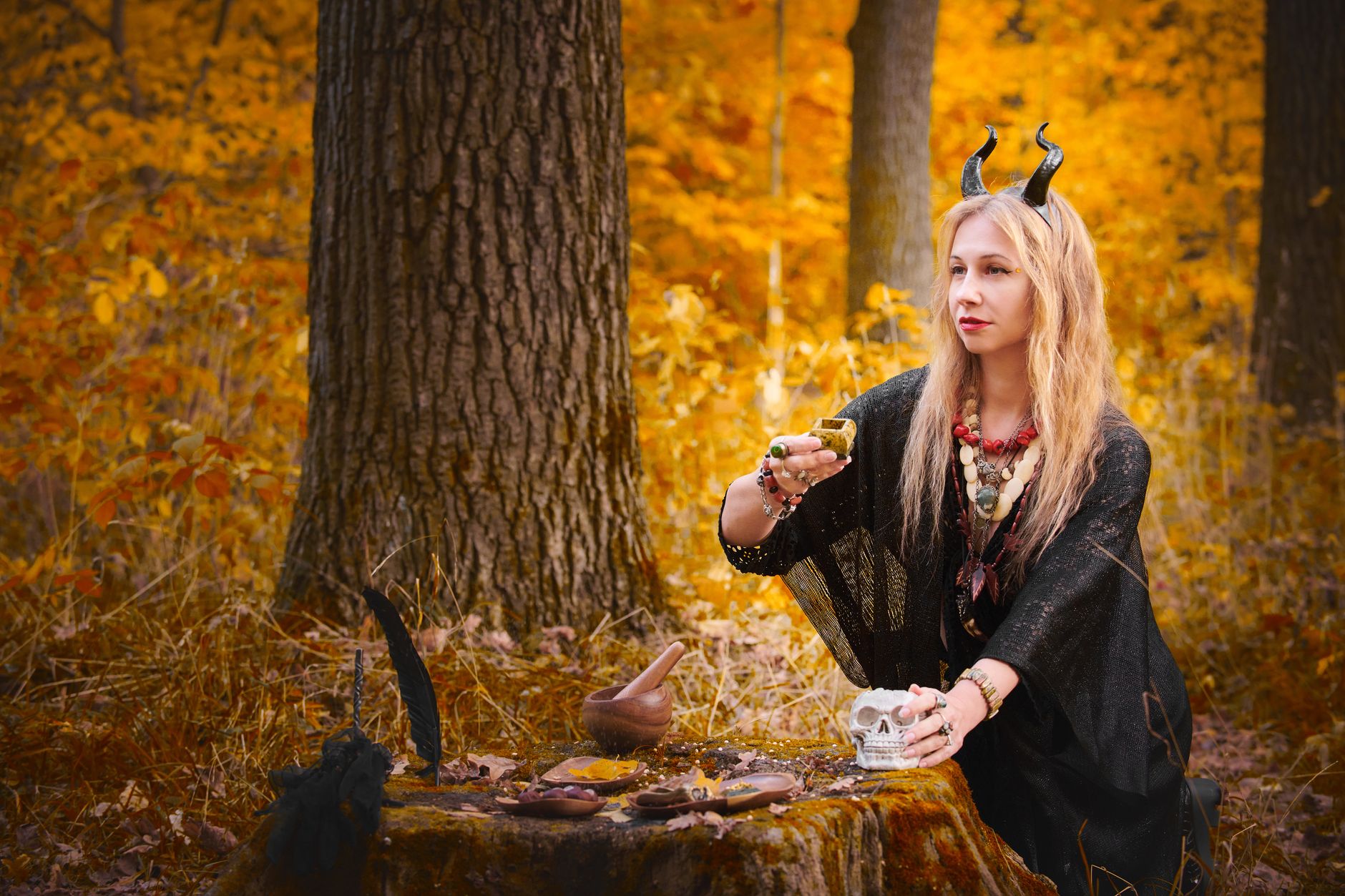
Samhain, pronounced sow-in, arrives around November 1st, marking the end of the harvest and the beginning of the dark half of the year. It is a time of profound introspection, a sacred pause before the deep slumber of winter. Astronomically, Samhain occurs when the Sun is at 15 degrees Scorpio, typically around October 31st or November 1st. The Moon phases around this time are crucial for setting the tone. For instance, in 2023, a New Moon occurred on November 13th, ushering in the dark phase just after Samhain, emphasizing themes of endings and new beginnings. Conversely, a Full Moon around Samhain, like the one on November 8th, 2022 (97% illumination), amplifies the veil-thinning energies, making communication with the spirit world feel more palpable. The Sun’s position in Scorpio, a water sign associated with depth, mystery, and transformation, further imbues Samhain with its powerful, introspective energy. The Sun typically sets around 5:00 PM PST during this period, and the Moon’s rise and set times will vary, but the overall feeling is one of drawing inward as the days shorten.
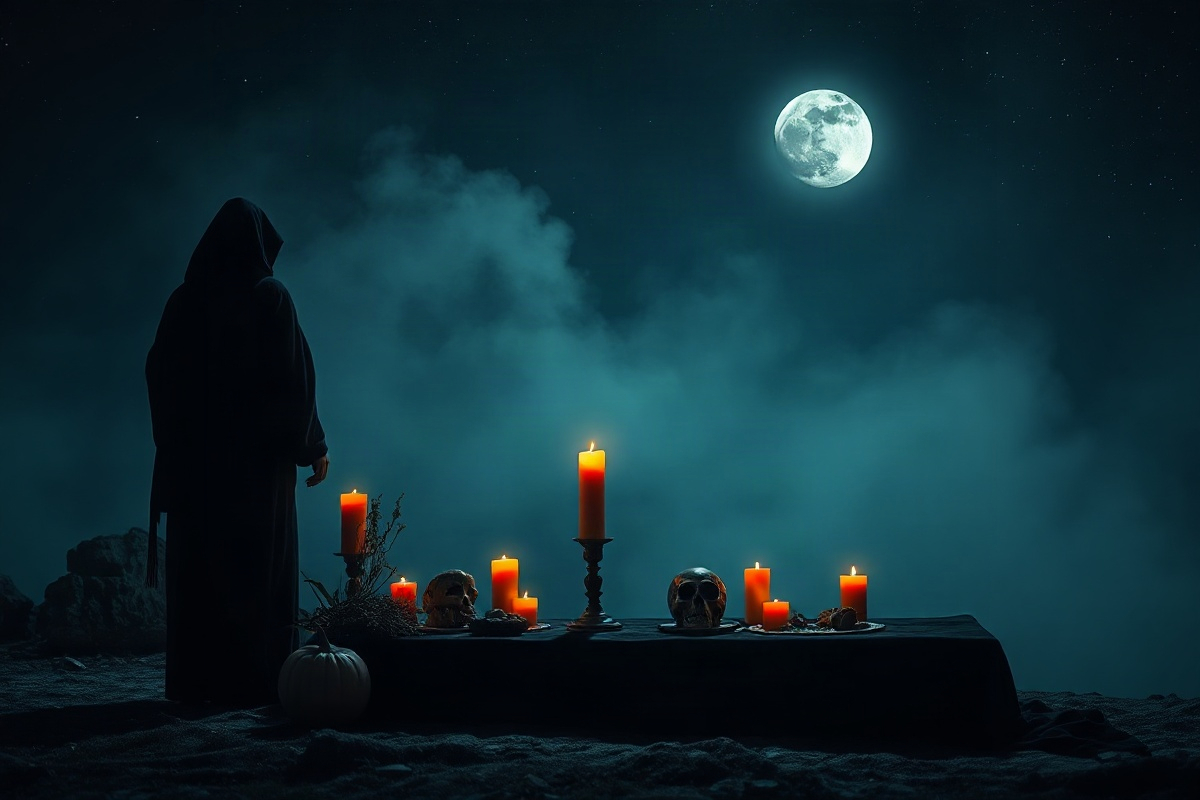
Rituals for Samhain often involve honoring ancestors and departed loved ones. A potent practice is to create an Ancestor Altar, adorned with photographs, cherished objects, and a lit Candles. Offerings of food and drink, such as a portion of your Samhain feast or a cup of spiced apple cider, can be placed upon it with reverence. Herbs like mugwort (*Artemisia vulgaris*), known for its visionary properties, and rosemary (*Salvia rosmarinus*), symbolizing remembrance, are excellent choices for smudging or creating incense blends. Crystals that resonate with this energy include smoky quartz (*quartz*) for grounding and releasing the old, and obsidian (*obsidian*) for protection and scrying. The colors associated with Samhain are deep reds, oranges, blacks, and browns, reflecting the dying embers of the year and the rich earth. A particularly powerful ritual action is to write down any lingering attachments or old patterns on parchment and then safely burn them in a cauldron or fire pit, releasing them to the universe. Consider journaling prompts such as: “What lessons have my ancestors passed down to me?” or “What aspects of myself am I ready to release as the year ends?”
During this liminal time, it is also essential to be aware of the Void of Course Moon periods, as they can amplify the feeling of being untethered or experiencing unexpected shifts. For example, in late October 2023, a Void of Course Moon occurred from October 28th, 10:13 AM PDT until October 29th, 12:17 AM PDT. Engaging in deep shadow work during these windows can be incredibly revealing, though it’s wise to approach it with gentle self-compassion. The energy of Samhain encourages us to look unflinchingly at our inner shadows, to embrace the lessons learned from our past, and to prepare for the fertile darkness that holds the promise of rebirth. This is not a time for outward striving, but for inward delving, for listening to the whispers of the soul and the echoes of those who came before.
Yule: The Winter Solstice, Rebirth of the Sun
Yule, celebrated around the Winter Solstice (December 21st or 22nd), is a radiant beacon of hope during the longest night of the year. It marks the moment when the Sun, at its lowest point, begins its triumphant return, symbolizing the rebirth of light and the promise of warmer days. Astronomically, Yule occurs when the Sun enters the sign of Capricorn, typically around December 21st. The Sun’s illumination at this time is at its minimum, with daylight hours being their shortest. For instance, in 2023, the Winter Solstice was on December 21st, with the Sun entering Capricorn at 7:27 PM PST. The Moon phases around Yule can significantly influence the celebratory mood. A Full Moon close to Yule, such as the one on December 26th, 2023 (99% illumination), can lend a particularly magical and illuminating quality to the festivities, enhancing the theme of light’s return. The Sun’s journey into Capricorn, a cardinal earth sign associated with structure, discipline, and long-term goals, encourages us to set intentions for the coming year with a grounded and determined spirit. The Sun sets early, often before 4:30 PM PST in many northern latitudes, reinforcing the dominance of the night and the preciousness of the returning light.
The Yule celebration is steeped in traditions of light and warmth. A central ritual is the Yule Log, a large log traditionally burned throughout the night, symbolizing the Sun’s fire and the enduring spirit. Herbs associated with Yule include pine (*Pinus* spp.) and fir (*Abies* spp.) for their evergreen resilience and connection to the ancient forests, as well as cinnamon (*Cinnamomum verum*) and cloves (*Syzygium aromaticum*) for their warming, festive qualities. Crystals like clear quartz (*quartz*) to amplify the returning light and energy, and garnet (*garnet*) for vitality and passion, are excellent companions. The dominant colors of Yule are deep greens, reds, golds, and whites, evoking evergreen boughs, holly berries, and the glistening snow. A beautiful ritual is to decorate a Yule tree with symbols of light and life, such as strings of popcorn, cranberries, and handmade ornaments, inviting the spirit of the season into your home. Journal prompts for Yule might include: “What seeds of hope am I planting for the coming year?” or “How can I bring more light and warmth into my life and the lives of others?”
The energy of Yule is one of potent renewal and quiet joy. It is a time to reflect on the cycles of life and death, to acknowledge the darkness, and to celebrate the unwavering promise of rebirth. As the Sun begins its ascent, so too can our spirits. Consider a ritual of gratitude for the Sun’s return, perhaps by lighting a special candle at sunrise. The Void of Course Moon periods around Yule can sometimes bring unexpected pauses or moments of quiet reflection, which are perfectly suited to the contemplative nature of this Sabbat. For instance, a Void of Course Moon in late December 2023 lasted from December 29th, 3:29 AM PST until December 30th, 12:03 PM PST, offering a gentle transition out of the Yule energies. Embracing the quiet magic of Yule allows us to step into the new year with a renewed sense of purpose and a heart filled with the enduring light of hope.
Imbolc: The First Stirrings of Spring, Awakening Magic
Imbolc, typically observed around February 2nd, is a festival of purification, inspiration, and the first subtle stirrings of spring. It celebrates the growing strength of the Sun and the awakening of the Earth from its winter slumber. Astronomically, Imbolc occurs when the Sun is at 15 degrees Aquarius, a sign of innovation, community, and humanitarianism, around February 1st or 2nd. The Moon’s phase at this time can greatly influence the ritual experience. A waxing Moon leading up to Imbolc, such as the New Moon on February 9th, 2024, would emphasize themes of new beginnings and burgeoning potential. Conversely, a Full Moon near Imbolc, like the one on February 24th, 2024 (99% illumination), would amplify the purifying and illuminating energies. The Sun’s position in Aquarius encourages us to embrace new ideas and connections as we prepare for the energetic shift towards spring. Daylight hours are noticeably increasing, with the Sun setting around 5:30 PM PST in many locations, signaling the gradual return of longer days and the quickening of life.
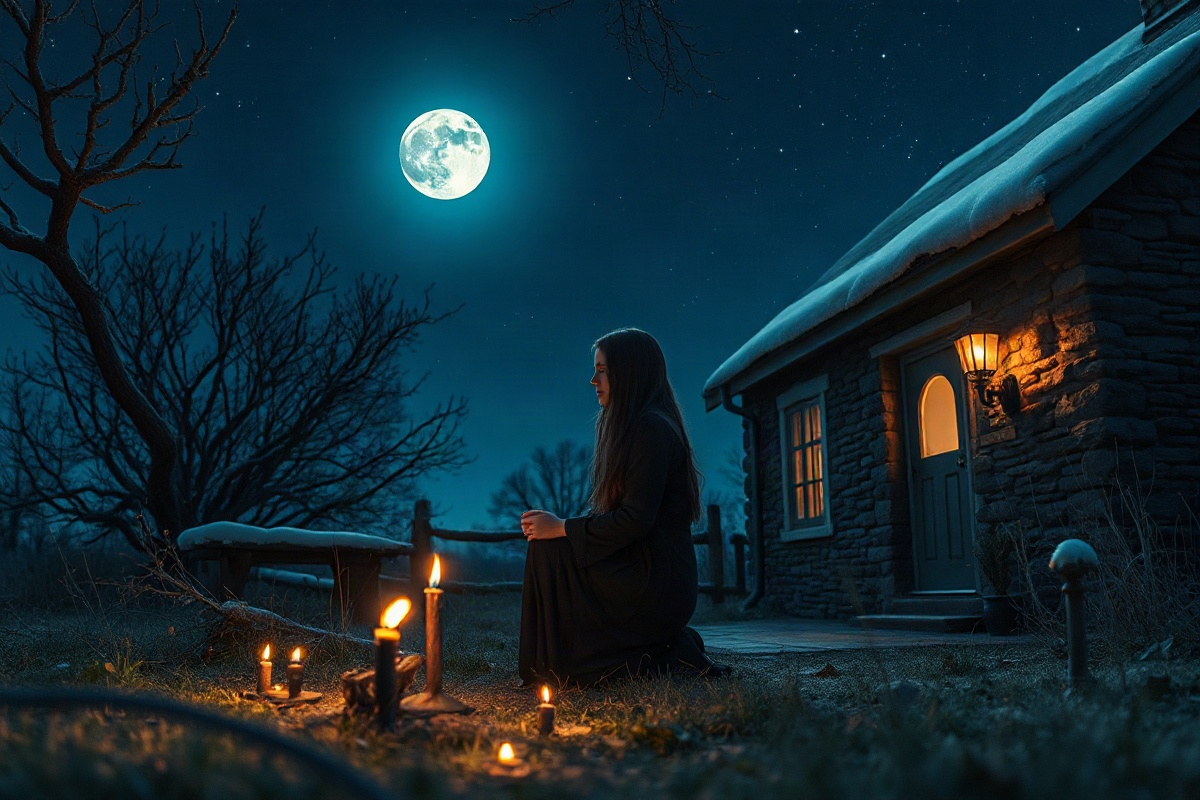
Imbolc is deeply connected to the goddess Brigid, a powerful Celtic deity of poetry, healing, and smithcraft. Rituals often involve honoring Brigid through devotion and acts of purification. A traditional practice is to create a Brigid’s Cross from rushes or straw, symbolizing protection and blessing. Herbs like heather (*Calluna vulgaris*), representing good luck and protection, and basil (*Ocimum basilicum*), for purification and new beginnings, are perfect for use in cleansing rituals or as offerings. Crystals such as clear quartz (*quartz*) for clarity and amplification, and amethyst (*amethyst*) for spiritual awareness and intuition, are highly recommended. The colors of Imbolc are whites, silvers, pale greens, and blues, reflecting the melting snow, the first shoots of green, and the clear, crisp air of early spring. A powerful ritual action is to perform a personal cleansing, perhaps through a ritual bath with Epsom salts and invigorating essential oils like peppermint (*Mentha piperita*), to shed the lingering energies of winter and welcome the fresh spirit of spring. Journal prompts for Imbolc might include: “What new inspirations are budding within me?” or “How can I cultivate purity and clarity in my life?”
The energy of Imbolc is one of gentle awakening and hopeful anticipation. It is a time to acknowledge the subtle signs of life returning to the earth and to nurture the seeds of our own creativity and purpose. As the days lengthen and the Sun’s energy grows, so too can our inner power. Consider a ritual of lighting a white candle to symbolize the growing light and the spark of inspiration. Void of Course Moon periods around Imbolc can offer moments of quiet contemplation, allowing for deeper introspection on personal goals and spiritual growth. For instance, a Void of Course Moon in early February 2024 occurred from February 2nd, 11:44 PM PST until February 3rd, 10:48 AM PST, providing a peaceful interlude for reflection. Embracing the gentle yet powerful magic of Imbolc allows us to step into the quickening season with a renewed sense of purpose and a heart open to the gifts of spring.
Ostara: The Spring Equinox, Balance and New Beginnings
Ostara, celebrated around the Spring Equinox (March 20th or 21st), marks the moment of perfect balance between day and night, a powerful time of renewal and fertile beginnings. The Earth is vibrant with life, and the energies of growth and creation are at their peak. Astronomically, Ostara occurs when the Sun enters the sign of Aries, the fiery cardinal sign of initiation and new starts, around March 20th. This is the point of equal day and night, a celestial equilibrium that mirrors the burgeoning life force emerging from the earth. The Moon phases around Ostara can significantly enhance its themes. A waxing Moon leading up to Ostara, such as the New Moon on March 10th, 2024, would powerfully support intentions for new projects and personal growth. A Full Moon near Ostara, like the one on March 25th, 2024 (98% illumination), amplifies the creative and illuminating energies of the season. The Sun’s entry into Aries, at 0 degrees, signifies a powerful cosmic reset, encouraging bold action and the courage to begin anew. Daylight hours are equal to night, and they continue to lengthen, with the Sun setting around 7:00 PM PST in many locations, a clear signal of spring’s full embrace.
Ostara is a time to celebrate fertility, abundance, and the vibrant energy of new life. Rituals often involve planting seeds, both literally and metaphorically, and embracing the spirit of growth. A common practice is to decorate eggs, symbolizing new life and potential, and to conduct rituals focused on balance. Herbs that resonate with Ostara include dandelion (*Taraxacum officinale*), symbolizing resilience and wishes, and violet (*Viola odorata*), representing humility and new beginnings. Crystals such as rose quartz (*quartz*) for love and new relationships, and aventurine (*aventurine*) for luck and opportunity, are excellent choices. The colors of Ostara are pastels – soft greens, pinks, yellows, and blues – reflecting the delicate blossoms and fresh growth of spring. A deeply meaningful ritual is to plant seeds in a pot or your garden, imbuing them with your intentions for the coming season, and to perform a ritual of balance, perhaps by creating a sacred space that is equally divided between light and shadow. Journal prompts for Ostara might include: “What seeds of intention am I planting for my future?” or “How can I cultivate greater balance in my life?”
The energy of Ostara is one of dynamic creation and harmonious balance. It is a celebration of life’s potential and the joy of new beginnings. As the light triumphs over darkness, so too can our spirits ascend. Consider a ritual of planting a tree or a perennial plant, a living symbol of growth and sustained energy. Void of Course Moon periods around Ostara can offer opportunities for quiet contemplation and the grounding of intentions before launching into new endeavors. For example, a Void of Course Moon in late March 2024 occurred from March 29th, 1:13 PM PDT until March 30th, 1:13 AM PDT, providing a gentle pause to solidify plans. Embracing the vibrant magic of Ostara allows us to step into the heart of spring with a spirit of joyful creation and balanced intention, ready to manifest our deepest desires.
Beltane: Sacred Union, Fire and Fertility
Beltane, celebrated around May 1st, is a joyous festival of fire, fertility, and the sacred union of the divine masculine and feminine. It marks the height of spring, when the Earth is lush and overflowing with life, and the energies of passion and creation are at their zenith. Astronomically, Beltane occurs when the Sun is at 15 degrees Taurus, the sensual and grounding earth sign associated with abundance and pleasure, around May 1st. This Sabbat falls between the Spring Equinox and the Summer Solstice, representing the peak of the waxing year. The Moon phases around Beltane can greatly amplify its themes. A waxing Moon leading up to Beltane, such as the New Moon on May 7th, 2024, would powerfully support intentions for building abundance and deepening connections. A Full Moon near Beltane, like the one on May 23rd, 2024 (99% illumination), would enhance the energies of passion, fertility, and manifestation. The Sun’s position in Taurus invites us to connect with the tangible beauty of the world, to savor its pleasures, and to ground our creative energies. Daylight hours are long and abundant, with the Sun setting around 8:00 PM PDT in many locations, a testament to the life-giving power of the season.
Beltane is a time of vibrant celebration, often involving bonfires, dancing, and rituals that honor the sacred union of opposites. A central practice is the Maypole dance, where ribbons are woven around a tall pole, symbolizing the intertwining of energies and the fertility of the land. Herbs that resonate with Beltane include rose (*Rosa* spp.), for love and passion, hawthorn (*Crataegus monogyna*), for protection and fertility, and mugwort (*Artemisia vulgaris*), for enhancing intuition and visionary states. Crystals such as ruby (*corundum*), for passion and vitality, and emerald (*beryl*), for love and abundance, are potent choices. The colors of Beltane are vibrant and fiery – reds, oranges, pinks, and bright greens, reflecting the blooming flowers, the verdant landscape, and the passionate energy of the season. A powerful ritual action is to leap over a Beltane bonfire (safely, of course!), symbolizing purification, fertility, and the shedding of old limitations. Journal prompts for Beltane might include: “What sacred unions am I inviting into my life?” or “How can I embrace my own creative and passionate energy?”
The energy of Beltane is one of exuberant life, potent creation, and the joyous celebration of union. It is a time to embrace our sensuality, our passion, and the abundant fertility of the Earth. As the Sun reaches its glorious height, so too can our spirits soar. Consider a ritual of creating a sacred space dedicated to the divine masculine and feminine, perhaps with complementary symbols and offerings. Void of Course Moon periods around Beltane can offer moments for deeper reflection on personal desires and sensual exploration before fully engaging in outward expressions of joy. For instance, a Void of Course Moon in late May 2024 occurred from May 30th, 12:03 AM PDT until May 30th, 12:45 PM PDT, providing a brief window for grounding before the energy of the season fully unfolds. Embracing the wild, fertile magic of Beltane allows us to step into the heart of summer with a spirit of passionate creation and sacred union, ready to experience the fullness of life.
Litha: The Summer Solstice, Peak Energy and Light
Litha, celebrated around the Summer Solstice (June 20th or 21st), is the peak of the Sun’s power and the longest day of the year. It is a time of vibrant energy, abundance, and the celebration of light and life at its fullest expression. Astronomically, Litha occurs when the Sun enters the sign of Cancer, the nurturing and emotional water sign associated with home, family, and intuition, around June 20th or 21st. This is the zenith of the Sun’s journey, the moment of greatest solar power before it begins its slow descent towards autumn. The Moon phases around Litha can significantly influence the celebratory mood. A waxing Moon leading up to Litha, such as the New Moon on June 6th, 2024, would strongly support intentions for growth and abundance. A Full Moon close to Litha, like the one on June 21st, 2024 (99% illumination), would amplify the illuminating and manifesting energies of the longest day. The Sun’s position in Cancer encourages us to connect with our inner needs, our emotional well-being, and the sense of belonging. Daylight hours are at their longest, with the Sun setting very late, often after 8:30 PM PDT in many locations, bathing the world in golden light.
Litha is a time of joyous celebration, often marked by outdoor gatherings, sun rituals, and embracing the abundant energy of summer. A traditional practice is to honor the Sun God and Earth Goddess, celebrating their union and the life-giving power of the Sun. Herbs that resonate with Litha include sunflower (*Helianthus annuus*), for abundance and vitality, St. John’s Wort (*Hypericum perforatum*), for protection and dispelling darkness, and chamomile (*Matricaria chamomilla*), for peace and solar blessings. Crystals such as citrine (*quartz*) for solar energy and abundance, and carnelian (*chalcedony*) for vitality and courage, are excellent choices. The colors of Litha are bright and radiant – golds, yellows, oranges, and vibrant greens, reflecting the golden sun, ripe fruits, and lush vegetation. A powerful ritual action is to create a sun wheel or a sun mandala, symbolizing the Sun’s power and the cyclical nature of life, and to spend time in nature, basking in the Sun’s energy and giving thanks for its gifts. Journal prompts for Litha might include: “How can I harness the peak energy of the Sun for my highest good?” or “What aspects of my life are currently in full bloom?”
The energy of Litha is one of radiant power, abundant life, and the celebration of light. It is a time to soak in the Sun’s blessings, to embrace our vitality, and to revel in the fullness of the year. As the Sun reaches its apex, so too can our own inner radiance shine. Consider a ritual of creating a sun-drenched altar, adorned with symbols of light, abundance, and nature’s bounty. Void of Course Moon periods around Litha can offer moments for grounding and integrating the potent solar energies before they begin to wane. For instance, a Void of Course Moon in late June 2024 occurred from June 29th, 1:27 PM PDT until June 30th, 1:44 AM PDT, providing a gentle transition out of the peak solar energies. Embracing the luminous magic of Litha allows us to step into the heart of summer with a spirit of radiant vitality and abundant joy, fully celebrating the Sun’s glorious reign.
Lammas/Lughnasadh: The First Harvest, Gratitude and Abundance
Lammas, also known as Lughnasadh (pronounced LOO-na-sa), celebrated around August 1st, marks the first harvest of the year, a time of gratitude for the bounty of the Earth and a celebration of abundance. It is a Sabbat of transition, acknowledging the Sun’s power beginning to wane, but focusing on the gifts we have received. Astronomically, Lammas occurs when the Sun is at 15 degrees Leo, the regal and generous fire sign associated with creativity, leadership, and self-expression, around August 1st. This Sabbat falls between the Summer Solstice and the Autumn Equinox, signifying the turning point of the year. The Moon phases around Lammas can greatly influence the ritual experience. A waxing Moon leading up to Lammas, such as the New Moon on August 4th, 2024, would support intentions for reaping the rewards of our labor and sowing seeds for future abundance. A Full Moon near Lammas, like the one on August 19th, 2024 (99% illumination), would amplify the energies of gratitude, manifestation, and the celebration of harvest. The Sun’s position in Leo encourages us to express our creativity, to lead with courage, and to share our gifts generously. Daylight hours are still long, with the Sun setting around 8:00 PM PDT in many locations, but the subtle shift towards shorter days is beginning.
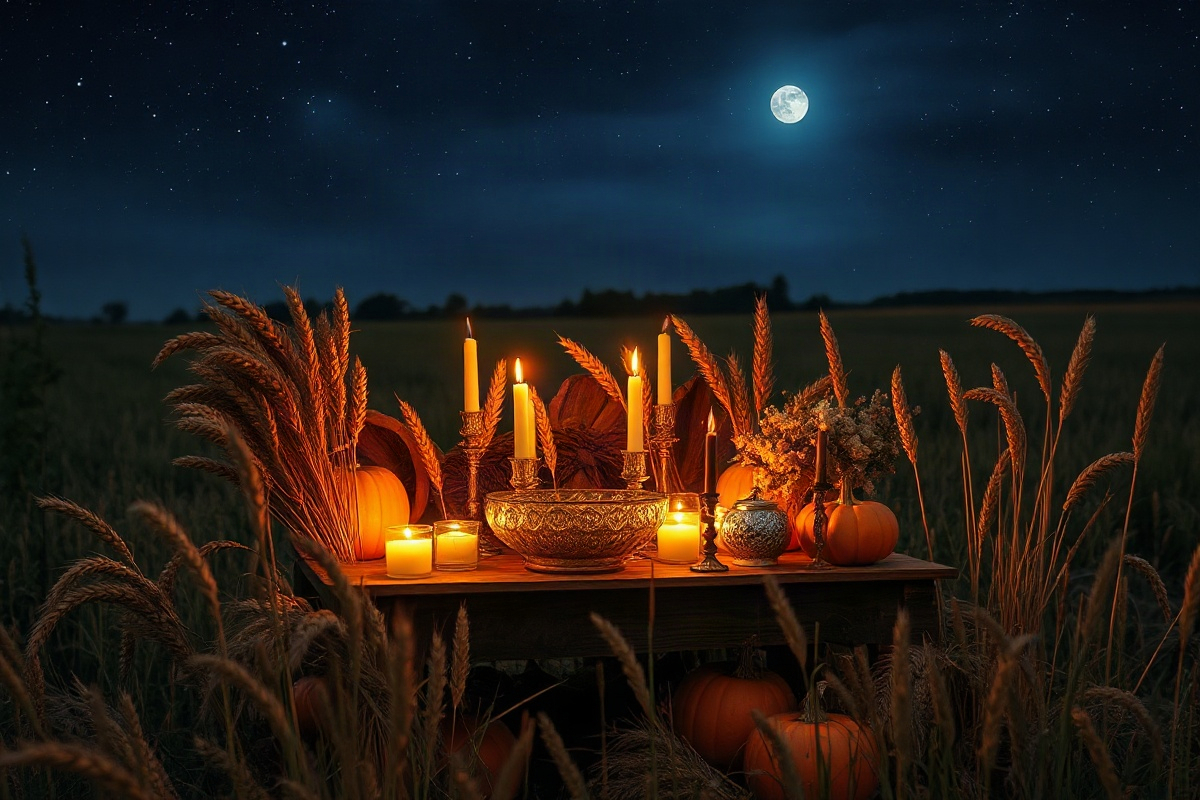
Lammas is a time of giving thanks for the harvest and celebrating the fruits of our labor. Rituals often involve baking bread from the first grains, creating corn dollies, and sharing in the abundance of the season. Herbs that resonate with Lammas include wheat (*Triticum* spp.), symbolizing abundance and nourishment, barley (*Hordeum vulgare*), for healing and good fortune, and rosemary (*Salvia rosmarinus*), for remembrance and protection. Crystals such as peridot (*olivine*), for abundance and prosperity, and tiger’s eye (*quartz*), for grounding and willpower, are excellent choices. The colors of Lammas are golden yellows, rich browns, deep oranges, and earthy greens, reflecting the ripened grains, the fertile earth, and the bounty of the harvest. A powerful ritual action is to bake bread or a harvest cake, imbuing it with your gratitude and intentions for continued abundance, and to share it with loved ones or offer it back to the Earth. Journal prompts for Lammas might include: “What am I most grateful for from the past season’s efforts?” or “How can I best share the abundance in my life with others?”
The energy of Lammas is one of gratitude, accomplishment, and the celebration of tangible results. It is a time to acknowledge the blessings we have received and to prepare for the coming decline of the year with a sense of satisfaction and preparedness. As the harvest is gathered, so too can we acknowledge the fruits of our spiritual and personal endeavors. Consider a ritual of creating a harvest altar, adorned with grains, fruits, and symbols of abundance. Void of Course Moon periods around Lammas can offer moments for quiet reflection on the lessons learned from the growing season and for grounding intentions for the coming months. For instance, a Void of Course Moon in early August 2024 occurred from August 2nd, 1:52 PM PDT until August 3rd, 1:03 AM PDT, providing a gentle pause to appreciate the harvest. Embracing the grounding magic of Lammas allows us to step into the turning of the year with a spirit of profound gratitude and a heart full of the Earth’s generous bounty.
Mabon: The Autumn Equinox, Balance and Reflection
Mabon, celebrated around the Autumn Equinox (September 22nd or 23rd), marks the second harvest and the moment of perfect balance between day and night, a powerful time for reflection, gratitude, and preparing for the descent into winter. The Earth begins to draw its energy inward, and the harvest bounty is gathered and stored. Astronomically, Mabon occurs when the Sun enters the sign of Libra, the balanced and harmonious air sign associated with relationships, justice, and equilibrium, around September 22nd or 23rd. This is the point of equal day and night, a celestial equilibrium that mirrors the Earth’s preparation for rest. The Moon phases around Mabon can significantly enhance its themes. A waxing Moon leading up to Mabon, such as the New Moon on September 18th, 2024, would support intentions for balance and inner peace. A Full Moon near Mabon, like the one on September 17th, 2024 (99% illumination), would amplify the energies of reflection, gratitude, and deep inner knowing. The Sun’s entry into Libra signifies a cosmic invitation to seek balance in all aspects of our lives, to find harmony in our relationships, and to appreciate the beauty of equilibrium. Daylight hours are equal to night, and they continue to shorten, with the Sun setting around 7:00 PM PDT in many locations, a clear signal of autumn’s embrace.
Mabon is a time of giving thanks for the second harvest, for the abundance that sustains us, and for the lessons learned throughout the year. Rituals often involve feasting, giving thanks, and preparing for the darker half of the year. Herbs that resonate with Mabon include oak (*Quercus* spp.), for strength and wisdom, sage (*Salvia officinalis*), for purification and wisdom, and marigold (*Tagetes* spp.), for protection and prosperity. Crystals such as lapis lazuli (*lazurite*), for wisdom and truth, and moss agate (*chalcedony*), for grounding and connection to nature, are excellent choices. The colors of Mabon are rich and earthy – deep oranges, reds, golds, browns, and purples, reflecting the changing leaves, the ripened fruits, and the deepening hues of autumn. A powerful ritual action is to create a harvest gratitude offering, perhaps a basket filled with seasonal fruits and vegetables, to be shared with loved ones or offered back to the Earth as a symbol of thanks. Journal prompts for Mabon
Join The Mystic Circle
Weekly spells, moon rituals & magickal wisdom — plus a free ritual planner.

🌙 Get a Free AI Tarot Reading
Luna reads the cards just for you — powered by AI, guided by the moon. No account needed.
Draw Your Cards Now ✨Powered by Luna's Circle — AI Spiritual Guidance
Your Free Moon Ritual Calendar
24 rituals for every new and full moon of 2026, plus sabbat celebrations, moon water guide, and monthly correspondences.
Get the Moon CalendarAlso: Free Spellbook