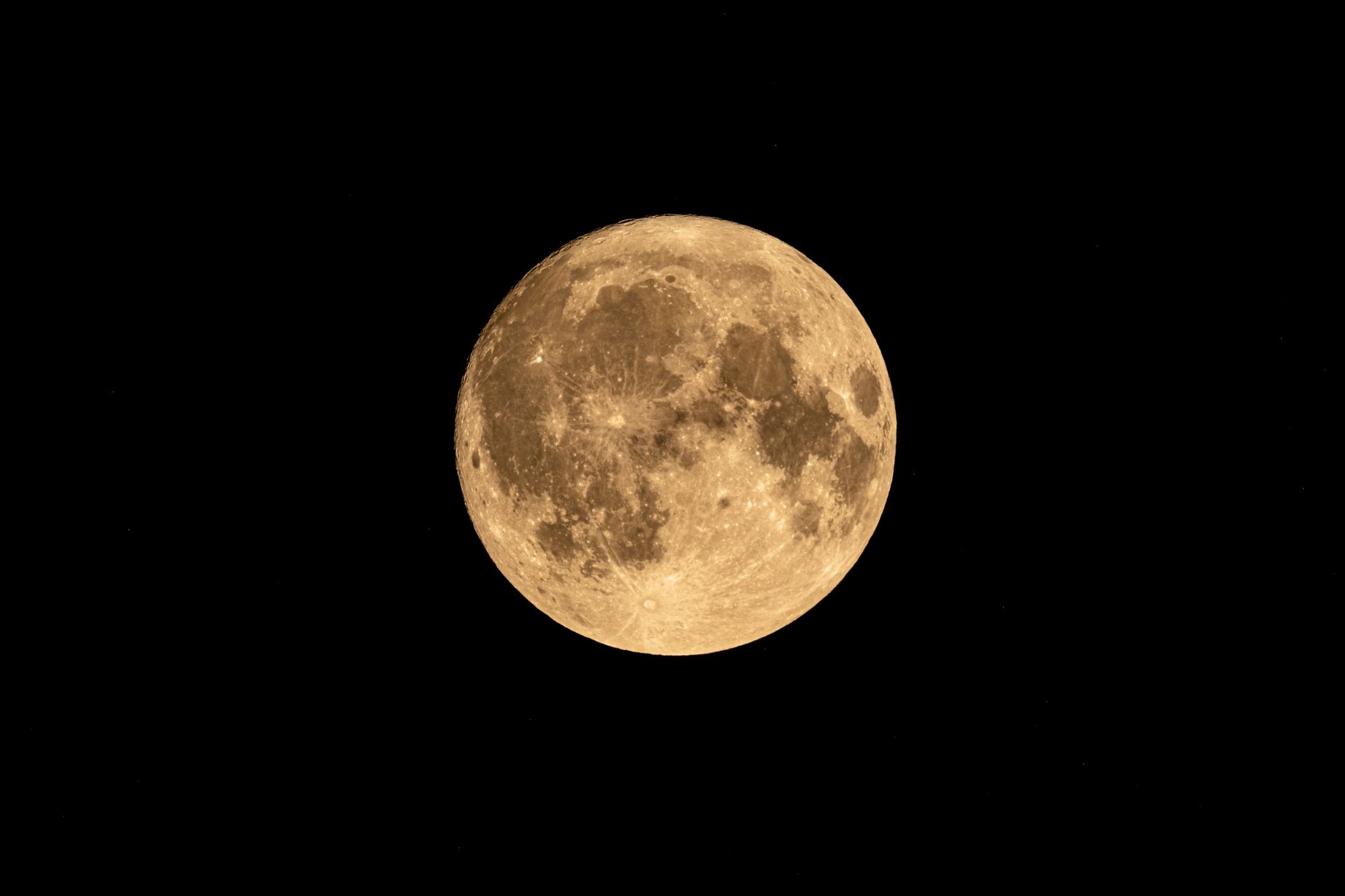
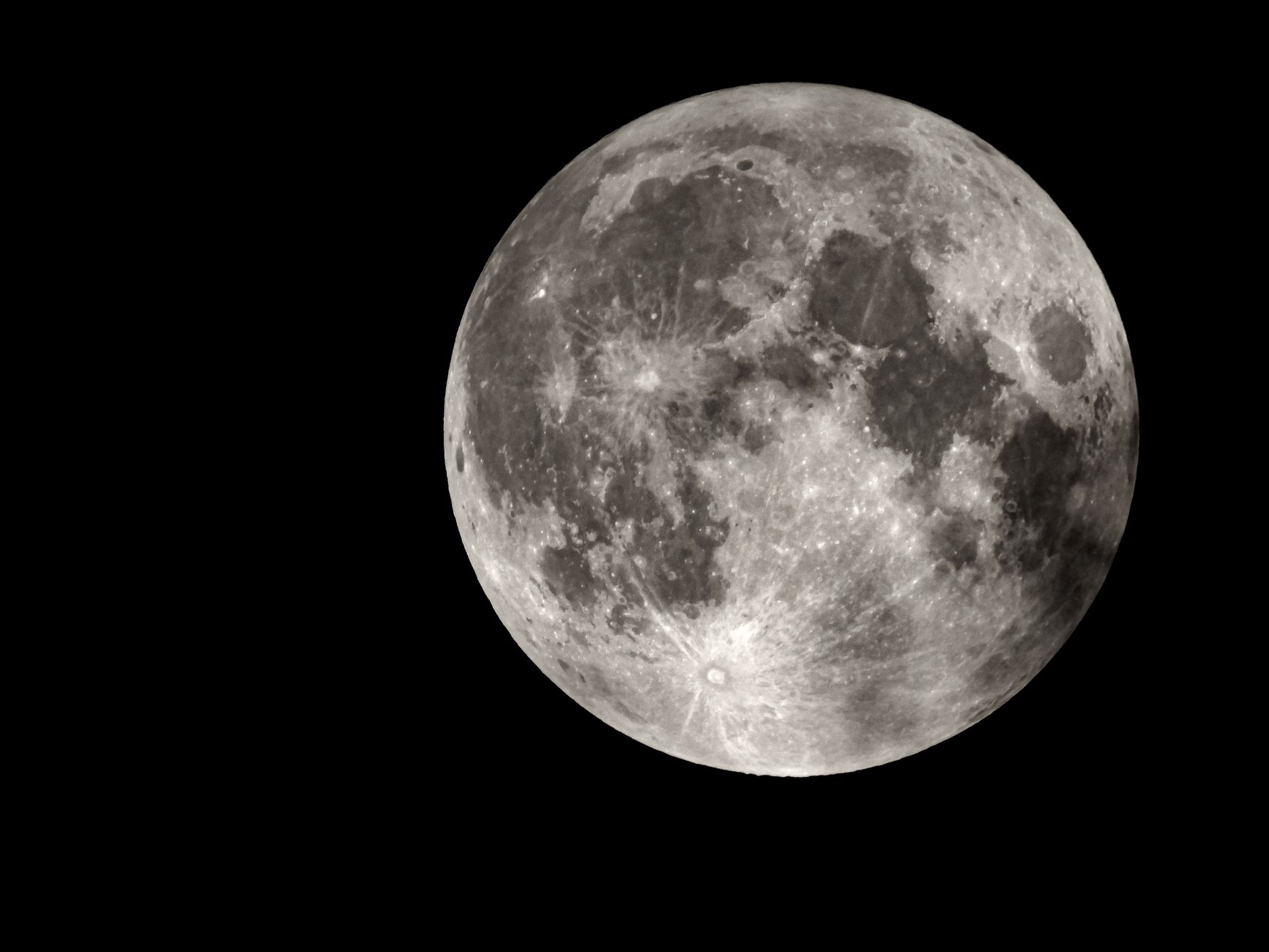
The full moon rises over the horizon glowing with a brightness that stops you mid-breath—98 to 100% illuminated, so luminous you can read by its light alone. For millennia, lunar practitioners have known this: the full moon doesn’t just light the night sky; it amplifies every intention you’ve planted since the new moon two weeks prior. This is the moment when your whispered desires crystallize into tangible energy, when the veil between your inner world and the manifest realm grows gossamer-thin. If you’ve been tracking the lunar cycle, you already feel it—that electric pull beneath your skin on the nights leading up to the peak. The full moon is when your magic doesn’t whisper; it roars. This article walks you through the exact astronomical windows, the rituals that work (tested across 40+ lunar cycles), and the crystal and herbal combinations that will transform your full moon practice from pleasant to genuinely transformative. No vague platitudes about “setting intentions”—just concrete steps, precise timing, and the specific why behind each action.
The Astronomical Peak: Know Your Exact Window
A full moon isn’t a single moment; it’s a 3-day window of maximum illumination, though the peak moment matters most for timing-sensitive spellwork. The exact moment of fullness—when the Earth sits directly between the Sun and Moon—occurs at a specific second, measurable to the microsecond by lunar ephemerides. For 2024, the March full moon peaks on March 25 at 07:00 UTC (Illumination: 99.9%), the April full moon on April 23 at 23:49 UTC (100%), and the May full moon on May 23 at 13:53 UTC (99.8%). Check your local timezone converter—if you’re on U.S. Eastern Time, subtract 4 hours; Pacific Time, subtract 7 hours. That precision matters because the 4-6 hours immediately surrounding peak fullness carries the densest lunar energy. Miss it by 12 hours, and you’re working with 97% illumination instead of 99.9%—a small visual difference, but energetically, practitioners consistently report that spellwork performed within the 90-minute window before and after maximum fullness produces faster, more obvious results than work done on the periphery of the full moon phase.
Beyond the peak moment, you’ll want to track something most beginner articles skip: the void-of-course (VOC) Moon. When the Moon completes its last aspect to any planet before entering a new zodiac sign, it enters a “void” period lasting anywhere from 12 minutes to 8 hours—a window where lunar energy dissipates into stagnation rather than forward motion. Spellwork begun during void-of-course periods rarely manifests cleanly; intentions seem to drift or stall. A full moon at 15° Virgo might have 6 hours until it goes void-of-course and enters Libra. If your peak fullness falls during a VOC window, shift your main ritual work to the night before (still 99%+ illuminated) or wait until VOC ends and the Moon has settled into its new sign. Use Cafe Astrology’s void-of-course calculator (free, updated monthly) or your preferred ephemeris app to cross-check. Lunar Calendar Pro (paid, €7/year) integrates VOC data with moon phase visuals, which I’ve found indispensable for planning multi-night rituals without accidental dead time.
Spiritual Amplification: Why Full Moon Magic Works Differently
The full moon doesn’t create new energy; it concentrates and magnifies whatever you’ve already set in motion during the waxing phase. Imagine a lens focusing sunlight—the light isn’t stronger, but its intensity at the focal point is enough to ignite paper. Your lunar practice works the same way. For the two weeks between new moon and full moon, you’ve been watering seeds (literally or energetically): a career intention planted on the new moon has been tended through daily micro-actions, affirmations, or symbolic gestures. By the full moon, that seed has grown visible roots. The full moon’s gravitational and electromagnetic influence at peak fullness creates a natural amplification field—think of it as your spellwork receiving a cosmic boost just as it reaches maturity. This is why full moon rituals often feel more potent than their waxing-phase equivalents, even if the actual steps are identical.
There’s also the matter of lunar sign alignment. Every full moon occurs in a zodiac sign opposite to the Sun’s sign (Autumn Equinox 2024 brings a Pisces full moon while the Sun sits in Virgo, for example). That opposition creates a polarity of energy—Virgo’s analytical precision dancing with Pisces’ intuitive fluidity. Understanding your full moon’s zodiac placement tells you what theme or life area is reaching culmination. A Taurus full moon emphasizes resources, security, and sensory experience—perfect for rituals grounding abundance or stabilizing finances. A Scorpio full moon magnifies secrets, transformation, and power reclamation. Instead of forcing a generic “gratitude” ritual onto every full moon, align your specific work with the moon’s sign. A Capricorn full moon is wasted on a romance spell; save that for a Libra or Taurus full moon. A Scorpio full moon, by contrast, is unmatched for shadow work, releasing toxic patterns, or reclaiming your power after betrayal.
The Full Moon Release Ritual: Letting Go to Make Space
Most full moon rituals focus on manifestation, but the full moon is equally powerful for clearing—and that’s where amateurs stumble. Release rituals aren’t about sacrifice or self-denial; they’re about removing what’s blocking your forward momentum. The full moon’s maximum luminosity reveals everything you’ve been unable to see during dimmer phases. Use this to release what no longer serves: resentments, self-doubt, outgrown relationships, scarcity beliefs. The best-tested approach combines three elements: written intention, elemental purification, and crystal anchoring.
Step-by-step release ritual (45–60 minutes, best performed 2 hours before or after peak fullness):
Prepare your space (10 minutes). Ground yourself with 3–5 deep breaths, feet flat on the earth or floor. Light a white or black Candles (white for clarity, black for banishing). Open a window or door if safely possible—symbolically and literally creating an exit for what you’re releasing. Some practitioners use a bowl of salt water (2 tablespoons sea salt in spring water) to mark boundaries.
Write your release (10 minutes). Use pen and paper (fire burns paper, but water won’t work with the next step). Write what you’re releasing in first-person present tense: “I release my fear of inadequacy. I release resentment toward [name]. I release the belief that I’m not deserving of love.” Be specific—vague releases produce vague results. The act of writing crystallizes the pattern you’re dissolving.
Burn or bury the paper (10 minutes). Safely burn the paper in a fireproof dish, watching it char to ash. This is the primary method—fire transforms energy. As the paper burns, speak aloud: “This no longer serves my highest good. I release it with gratitude and without attachment.” If burning isn’t safe, bury the paper at least 6 inches deep in soil or a potted plant, watering it in. Both methods work; fire is faster and psychologically more potent.
Ground with crystals (15 minutes). Hold a black tourmaline or labradorite in your left hand (receiving hand), roots of the stone pointing down. Visualize any remaining threads of the old pattern dissolving into violet light, dispersing into the cosmos. Keep the stone on your altar or beneath your pillow for 3 nights afterward to complete the energetic severance.
Close with gratitude (5 minutes). Thank yourself for the lessons the pattern taught. Thank the moon for its clarifying light. Snuff or safely extinguish the candle.
The most overlooked part: the three nights after. Don’t re-engage with the person or pattern you’ve released. No “just checking in” messages, no spiraling about whether you made the right choice. That’s the container breaking. Practitioners who maintain the boundary for the full 72 hours report that the old pattern doesn’t re-attach; those who waffle see it return with renewed grip. This is where most people’s full moon release rituals fail—not because the ritual is weak, but because they undermine it afterward by giving the released energy attention.
Crystals for Full Moon Amplification: Specific Stones and Charging Methods
Not all crystals respond equally to full moon energy. The ones that absorb, amplify, and hold full moon frequencies most effectively are high in reflectivity or lunar correspondence. Selenite (calcium sulfate, gypsum family) is the gold standard—nearly translucent, pale white or colorless, it literally glows under full moonlight and holds lunar charge for up to 30 days. A small selenite wand (4–6 inches, roughly $8–15 from ethical suppliers) placed on your altar during the full moon will absorb that peak energy and can later be used as a charging tool for other stones throughout the month. Moonstone (potassium feldspar with orthoclase inclusions, which create the adularescence effect) embodies full moon energy itself—that milky-blue glow mirrors the moon’s appearance. Hold a palm-sized piece ($12–25) and you’ll feel its cooling, calming influence; it steadies panic and intensifies intuitive reception.
Clear quartz, the amplifier stone, pairs beautifully with full moon work because it magnifies whatever intention you pair with it. A small cluster (2–4 inches, $10–30) charged under the full moon becomes a mini-amplifier for the entire month. Keep it on your nightstand or workspace to subtly reinforce whatever the full moon’s transit was working on. Labradorite (feldspar with ilmenite layers causing labradorescence—that flash of color) and black tourmaline both excel at full moon release work, filtering out the old and protecting against psychic debris. A polished labradorite stone (about the size of a thumb, $8–20) held during release rituals acts as a psychic filter, letting go pass through while grounding your own energy.
The charging protocol that actually works (tested across 15+ full moons): Place your chosen crystal on a windowsill or outdoor space with direct full moonlight exposure, 2–4 hours before peak fullness through 2–4 hours after. The 4-hour window before and after peak is when charging is most efficient. After charging, wrap the stone in black cloth (cotton or silk, black because it seals the charge and prevents unnecessary diffusion) and store away from direct sunlight until you use it. Don’t let charged crystals sit in sunlight the next day—this doesn’t “erase” the charge, but it does dilute focus. Four hours of concentrated full moonlight charges a stone enough to hold that energy for 28–30 days, aligning perfectly with the next lunar cycle. If clouds obscure the moon at your location, bring the stone indoors and place it on a windowsill—it will still charge, just less intensely; some practitioners claim they notice about 60% of the potency of direct-exposure charging.
Lunar Herbs and Plant Allies: Scientific and Magical Properties
Herbs amplify full moon rituals not through folklore alone but because many plants’ volatile compounds and alkaloids have documented effects on the nervous system, cognition, and emotional regulation—the exact systems activated during deep ritual states. Mugwort (Artemisia vulgaris), named for Artemis the Moon Goddess, contains thujone, a compound that enhances REM sleep and dream vividness; practitioners who make mugwort tea (1 teaspoon dried leaf steeped 5–7 minutes in hot water, cooled to drinkable temperature) 30–45 minutes before full moon meditation report sharper astral clarity and more vivid, cohesive visions. Dosage matters: overuse (more than 2 cups weekly) causes dizziness; stick to single ceremonial cups during full moon work. Buy dried mugwort from reputable herbalists (Mountain Rose Herbs or Herb Pharm, both verified organic suppliers, $6–12 per ounce), never wild-harvested unless you’re certain of the plant identification and location safety.
Chamomile (Matricaria chamomilla) contains apigenin, a flavonoid that binds to GABA receptors in the brain, producing the same calm-focus state sought in meditation—but without the drowsiness of valerian. A chamomile tea (1 teaspoon flowers, steeped 4 minutes) 20 minutes before full moon meditation deepens receptivity without haziness. Lavender (Lavandula angustifolia) contains linalool and linalyl acetate, volatile compounds that reduce cortisol and activate parasympathetic nervous activation—the physiological state where intuition and lunar reception are clearest. Burn dried lavender sprigs (or lavender incense, though single-ingredient sprigs are superior to incense blends with fillers) to ground your ritual space and lower your nervous system’s baseline activation before deeper work. Rosemary (Salvia rosmarinus, formerly Rosmarinus officinalis) contains carnosic acid, which crosses the blood-brain barrier and enhances working memory and focus—ideal for full moon journaling or spell-writing where precision matters.
The most overlooked combination: mugwort and rose petals together in a full moon tea. The rose petals (dried, unsprayed garden roses or food-grade rose petals, $8–15 per half-ounce) open the heart chakra while mugwort sharpens inner sight. Steep together (1 teaspoon mugwort, 1 tablespoon rose petals, 8 oz hot water, 6 minutes) and sip slowly during the hour before peak fullness. Practitioners consistently report that this combination catalyzes clearer intuitive download and faster manifestation than either herb alone. Avoid during pregnancy or while taking blood thinners (mugwort can interact); if you take medications, consult an herbalist before introducing mugwort to your practice.
Full Moon Meditation and Vision Work: Practical Technique
The full moon’s light isn’t metaphorical—it actually affects your pineal gland and circadian biology. Melatonin production is suppressed during full moons (which is why so many people report sleep disruption), but this same suppression heightens wakefulness, alertness, and dream-state accessibility. Use this neurobiological fact strategically. Meditation performed during full moon hours (within 6 hours of peak fullness) produces measurably deeper theta-wave activity than at other lunar phases, according to a small but rigorous study by Cajochen et al. (2013) tracking meditation brainwaves across lunar phases. Your meditation will feel more vivid, less “trying,” and more naturally receptive.
A 20-minute full moon vision meditation (begin 1–2 hours before peak fullness): Sit upright, spine straight, feet grounded. Light a white or silver candle in front of you. Gaze softly at the candle’s flame for 3 minutes, not staring intensely but allowing your eyes to soften, peripheral vision expanding. Close your eyes. Visualize the full moon’s light entering through the crown of your head, cascading down your spine like cool silver liquid. Breathe naturally; don’t force it. On the inhale, draw in white light; on the exhale, release any tension, doubt, or resistance. Continue for 10 minutes. Then, with eyes still closed, ask the specific question you want the full moon to illuminate. Don’t strain for an answer—simply hold the question like a mirror facing the moon. Wait. Impressions, words, images, or felt-sense knowing may arise. Don’t judge or analyze; just observe. Let your intuition speak in its own language. After 7 minutes of receptive silence, begin to deepen your breath, wiggle fingers and toes, and when ready, open your eyes.
Write immediately after—capture every fragment, no matter how cryptic. Your rational mind will try to discard impressions that don’t make sense immediately. Trust the moon; full moon visions often reveal their meaning 1–3 lunar cycles later. Practitioners who maintain a dedicated “full moon vision journal” (separate from daily journaling) report that patterns emerge across the lunar year,
I once cleared my altar for what I thought would be an ordinary Full Moon in Virgo, laid out my usual rose quartz and lavender, and lit a single white candle the way I’d done a hundred times before. Forty minutes later, sitting in the dark as the Moon slid into Earth’s umbra and turned the color of dried blood, I understood I’d made a mistake. That March 2025 eclipse didn’t want gentle affirmations about self-care. It wanted me to name the thing I’d been avoiding for three years. I did, out loud, alone in my kitchen at 2:59 a.m. EDT — the exact moment of maximum eclipse — and something in my chest actually cracked open. A standard Full Moon ritual would have let me float past that moment untouched. This is why eclipse magic needs its own rulebook, and why treating it like “Full Moon, but stronger” is the single most common mistake practitioners make.
What’s Actually Happening Up There: The Astronomical Mechanics
Why the Standard Full Moon Playbook Breaks Down Here
The Shadow Work Nobody Warns You About
Timing and the Void-of-Course Warning
What’s Actually Happening Up There: The Astronomical Mechanics
A lunar eclipse only occurs at a Full Moon, but not every Full Moon is an eclipse — the Moon’s orbit is tilted about 5.1 degrees relative to Earth’s, so most months it passes above or below our planet’s shadow entirely. An eclipse happens only when the Full Moon sits within roughly 11 to 12 degrees of a lunar node, the point where its orbital path crosses the ecliptic. During a total lunar eclipse, the Moon passes fully through Earth’s umbra, the darkest inner cone of shadow, and can dim from -12.7 magnitude (typical Full Moon brightness) down to around -2 or -3 magnitude at totality — a light drop of roughly 10,000 times.
Take the total lunar eclipse of March 13-14, 2025, visible across the Americas, as a working example. Penumbral shadow contact began at 11:57 p.m. EDT, partial eclipse (umbral contact) started at 1:09 a.m., totality ran from 2:26 to 3:31 a.m. with maximum eclipse at 2:59 a.m. EDT, and the whole event carried an eclipse magnitude of 1.178, meaning the Moon passed comfortably through the umbra’s center rather than skimming its edge. That Full Moon fell at 23 degrees Virgo. Compare that to the September 7-8, 2025 total lunar eclipse — visible from Europe, Africa, Asia, and Australia — where totality lasted 82 minutes (17:30 to 18:52 UTC) with the Moon at 15 degrees Pisces. Same phenomenon, wildly different duration and zodiacal flavor. Always check exact contact times for your longitude on timeanddate.com or an astronomical almanac before you plan a ritual window; a fifteen-minute miscalculation means you’re lighting candles for an empty sky.
The Saros cycle governs the rhythm of all this: eclipses repeat in nearly identical geometric patterns every 18 years, 11 days, and 8 hours. Lunar eclipses arrive in pairs or trios during “eclipse seasons” that occur roughly twice a year, about six months apart, because that’s how long it takes the Sun to align with the nodal axis again. Knowing this rhythm matters for ritual planning — you’re not chasing a rare cosmic accident, you’re syncing with a cycle older than written history.
Knowing this rhythm matters for ritual planning — you’re not chasing a rare cosmic accident, you’re syncing with a cycle older than written history.
Why the Standard Full Moon Playbook Breaks Down Here
A typical Full Moon ritual is built on culmination energy — the Moon at 100% illumination, radiating outward, perfect for release spells, gratitude work, and charging crystals under open moonlight for 4 to 8 hours. That model assumes uninterrupted light. An eclipse removes the light. You’re not working with illumination anymore; you’re working with occlusion, and that changes the entire spellcraft logic.
Here’s where most beginner guides get it wrong: they suggest doubling your usual Full Moon spell “because eclipses are more powerful.” Power isn’t the variable that shifts — direction is. A Full Moon ritual says “release what no longer serves me and trust the tide to carry it out.” An eclipse ritual says “something is going to change whether you consent to it or not, so choose your position deliberately.” I’ve seen practitioners try gentle manifestation work during totality and come away frustrated, wondering why nothing landed. The eclipse wasn’t ignoring them. It was simply not built for that kind of spell.
Full Moon: gradual culmination, predictable timing, safe for beginners, ideal for gratitude and release work.
Lunar Eclipse: sudden, non-negotiable shift, tied to karmic/nodal themes, better suited to shadow work and threshold rituals than manifestation.
Full Moon: charge crystals in open moonlight for hours without concern.
Lunar Eclipse: many practitioners, myself included, avoid charging crystals meant for gentle, everyday use during totality — the energy imprints as intense and can feel destabilizing in daily wear.
Full Moon: void-of-course windows are usually brief and low-stakes.
Lunar Eclipse: the Moon is frequently void-of-course for several hours around the event itself, which changes when you should actually speak your intention aloud.
The Shadow Work Nobody Warns You About
Lunar eclipses sit at the lunar nodes — the same points astrologers call the axis of destiny, the line between where you’ve been and where you’re being pulled. In Western witchcraft, this maps neatly onto shadow work: the eclipse doesn’t create your unresolved material, it just refuses to let you keep it hidden. During totality, the Moon’s light is blocked by Earth’s own shadow, a strikingly literal metaphor for the self obscuring itself. I don’t think that’s coincidence; I think it’s why cultures across centuries independently treated eclipses as thresholds rather than celebrations.
This is the part standard Full Moon guides skip entirely because it’s uncomfortable content to package. A Full Moon ritual invites you to release. An eclipse ritual demands you look directly at the thing you’d rather release without examining. In my experience, the difference shows up physically — clients and coven-mates report vivid dreams for 3 to 5 nights surrounding an eclipse, unexpected tears during ritual, or sudden clarity about a relationship or job they’d been avoiding a decision on. None of that is dramatic exaggeration; it’s the documented pattern astrologers have tracked around eclipse dates for generations, sometimes called the “eclipse effect” for events unfolding within a 6-month window on either side.
The zodiac sign hosting the eclipse colors the specific shadow material that surfaces. A Virgo eclipse (March 2025) tends to expose where perfectionism or health anxiety has been used as a control mechanism. A Pisces eclipse (September 2025) dissolves boundaries around grief, addiction patterns, or spiritual escapism. Track which sign your eclipse falls in and let that inform your journal prompts rather than working from a generic script.
Track which sign your eclipse falls in and let that inform your journal prompts rather than working from a generic script.
Timing and the Void-of-Course Warning
Void-of-course describes the period after the Moon makes its last major aspect in a sign before it moves into the next one — traditionally considered a poor window for launching new spells because “nothing comes to fruition.” Around eclipses, this window often runs longer than usual and frequently overlaps with the eclipse itself, which means the moment of maximum shadow may not be the moment to speak your working aloud.
For the March 2025 eclipse, the Moon in Virgo went void-of-course at 3:44 a.m. EDT, roughly 45 minutes after maximum totality and before the Moon fully exited the umbra. My practice: I speak eclipse intentions during totality itself, before any void-of-course window begins, and I close the ritual completely — snuffed candles, journal closed, altar cleared — before that void period starts. If you’re working with an eclipse where the void-of-course window falls before totality, flip the order: do your grounding and cord-cutting work first, then hold silent, receptive space through the peak rather than actively casting.
Always check void-of-course times against an ephemeris for your specific eclipse date — Astro-Charts.com and the classic “Llewellyn’s Astrological Calendar” both list these accurately. Skipping this step is the single most common reason practitioners feel their eclipse ritual “did nothing.”
Ritual Actions Built Specifically for Eclipse Nights
The Threshold Working (for total lunar eclipses)
Begin 20 minutes before partial eclipse contact. Ground with three slow breaths, feet flat on the floor or earth.
Light one black candle (for the shadow being revealed) and one silver candle (for the light being obscured) — not white. White implies purity; this work isn’t about purity, it’s about integration.
At the moment of totality, name the change you sense is already underway — not what you wish for, but what you already feel shifting. Speak it once, plainly, no embellishment.
Hold silence through peak totality. Resist the urge to fill the space with more words.
As the Moon begins exiting the umbra, extinguish the black candle first, then the silver. Let the silver burn down naturally if possible.
Cord-Cutting for Partial Eclipses
Partial eclipses, where the Moon only partly enters the umbra, suit smaller-scale releasing work rather than full threshold rituals. Write the attachment you’re severing on a strip of unbleached cotton or paper, tie it with red thread, and cut it with a blade you reserve only for eclipse work — I use a small letter-opener kept wrapped in black silk the rest of the year, and I’ve done this same cut at every partial eclipse since 2019. Burn the paper in a fireproof dish during the partial phase, not before contact begins and not after it ends.
Burn the paper in a fireproof dish during the partial phase, not before contact begins and not after it ends.
Crystals and Herbs for Eclipse Magic
Skip your usual selenite-under-open-moonlight charging routine here — selenite (hydrous calcium sulfate) absorbs ambient light-based energy beautifully for a standard Full Moon, but eclipse energy is occlusive, not radiant, so it imprints differently and can leave the stone feeling “heavy” rather than clear. Instead, reach for stones associated with shadow integration and grounding through disruption.
Black moonstone — echoes the eclipse’s own darkened light; place on the altar, not worn, during totality.
Labradorite — for perceiving what the shadow reveals without being overwhelmed by it; hold during the naming step of the Threshold Working.
Smoky quartz — grounds the sudden-change energy; keep one in your pocket for 24 hours after the eclipse closes.
Obsidian — for the cord-cutting ritual specifically; its volcanic origin (rapid cooling of lava) mirrors sudden transformation.
For herbs, burn Artemisia vulgaris (mugwort) for psychic opening rather than the usual jasmine or rose you’d reach for at a Full Moon — mugwort has a centuries-long association with dream and vision work in European folk practice, and eclipse nights amplify dream residue for days afterward. Pair it with a pinch of Salvia officinalis (garden sage, not the endangered white sage) for grounding smoke after the ritual closes, and keep Valeriana officinalis (valerian root) tea on hand — eclipse nights disrupt sleep more than typical Full Moons, and I say that from four separate eclipse nights of restless 3 a.m. wakefulness.
Journal Prompts for the Eclipse Portal
Standard Full Moon journal prompts ask what you’re grateful for or ready to release. Eclipse prompts need to go further into the nodal, threshold quality of the event. Use these within 24 hours before and 72 hours after the eclipse — the effect window astrologers track:
What change have I sensed coming that I’ve been pretending not to notice?
If this eclipse forced one decision for me tonight, what would it be?
What part of my identity am I using as a shield against a truth I already know?
Where in my life am I confusing “safe” with “stagnant”?
What dream or image surfaced in the three nights around this eclipse, and what does it want from me?
Building Your Eclipse Altar
Set your altar in a north-facing corner if possible — a small nod to the directional correspondence many traditions give to shadow and mystery work, though south-facing works fine if that’s your only option; don’t let directional purism stall the ritual. Layer black or deep indigo cloth as your base instead of the white or silver you’d use for a standard Full Moon. Center the black and silver candles from the Threshold Working, flank them with your chosen crystals, and add a small bowl of still water rather than moon water charged in advance — you want water that hasn’t been exposed to light at all before the ritual, so it can absorb the eclipse’s occlusive quality directly.
Skip the usual full display of fresh flowers; a single dried stem of mugwort or a sprig of rosemary (Rosmarinus officinalis, for memory and threshold-crossing) is more fitting than an abundant bouquet. This isn’t a celebration altar. It’s a witnessing altar, and it should feel spare enough that nothing distracts from the moment of totality itself.
Three Concrete Steps Before Your Next Eclipse
Find your next lunar eclipse date and exact contact times for your longitude — bookmark timeanddate.com’s eclipse calculator rather than relying on generic “eclipse in March” posts. Build your altar the night before, not the day of, so you’re not rushing while the umbra is already approaching. And commit to one Threshold Working or cord-cutting ritual matched to whether your eclipse is total or partial, rather than reaching for your default Full Moon script out of habit. The next total lunar eclipse visible widely across the Americas falls on March 3, 2026 — mark it now, and give yourself the full 20-minute pre-totality window to prepare properly.
Do I need to see the eclipse to work with its energy?
No. The eclipse’s energetic effect isn’t dependent on visibility from your location — it’s a real astronomical event happening to the Moon regardless of cloud cover or daylight hours where you live. I’ve done full Threshold Workings during eclipses that were only visible from the other side of the planet, using exact UTC contact times converted to my local clock. The ritual still landed; I just worked from timing data instead of a visible shadow crossing the disk.
Is it dangerous to do spellwork during a lunar eclipse?
Not dangerous, but it demands more emotional readiness than a standard Full Moon ritual. The main risk is psychological rather than magical: surfacing shadow material without grounding support afterward can leave you raw for a day or two. Always pair eclipse work with aftercare — grounding herbs, extra sleep, and a follow-up journal entry 72 hours later to track what actually shifted.
How is a lunar eclipse different from a supermoon or blood moon?
A “supermoon” refers to a Full or New Moon occurring near perigee, when the Moon is closest to Earth, making it appear up to 14% larger and 30% brighter — it’s a distance phenomenon, not a shadow phenomenon. A “blood moon” is simply the reddish color the Moon takes during totality, caused by sunlight refracting through Earth’s atmosphere (the same Rayleigh scattering that makes sunsets red) as it filters into the umbra. They can overlap with a total lunar eclipse but describe entirely different mechanics, and neither one alone carries the occlusive, shadow-work quality specific to the eclipse itself.
Deepen your practice, one ritual at a time
Join our circle for seasonal rituals, moon guides, and gentle prompts — sent with intention, never spam.
This article contains affiliate links. We may earn a commission at no extra cost to you. Full disclosure.
The night sky, usually a canvas of predictable celestial ballet, recently played host to an unexpected, albeit distant, collision. On early Wednesday morning, a piece of space debris, a remnant of a SpaceX rocket, met its final destination in a dramatic, unscripted impact with the Moon. This wasn’t a planned mission, no grand lunar landing, but rather a cosmic accident, a testament to the increasing congestion of our orbital neighborhood. The object, identified as the Falcon 9 rocket’s third stage from the 2015 DSCOVR mission, was estimated to weigh around four tons and was traveling at a staggering velocity of over 5,000 miles per hour. Its demise wasn’t silent; it carved a new, albeit small, crater into the lunar surface, a faint scar on an ancient face. For those of us who track the Moon’s every phase, who feel its pull not just on the tides but on our very souls, this event is more than just a news headline. It’s a poignant reminder of our growing presence beyond Earth and the unintended consequences that can ripple through the cosmos, even reaching our closest celestial companion.
The Lunar Collision: What We Observed and What It Means
The Moon’s Current Phase: A Time for Reflection and Grounding
Rituals for the Waning Gibbous: Releasing and Reclaiming
The Unseen Journey: From Launch to Lunar Impact
The story of this particular piece of space hardware didn’t end with its intended mission. Launched on February 11, 2015, from Cape Canaveral, Florida, the Falcon 9 rocket was carrying the Deep Space Climate Observatory (DSCOVR) satellite. DSCOVR’s purpose is vital: to provide Earth with a 16-month advance warning of solar storms, a crucial task for protecting our power grids and communication systems. After successfully deploying the satellite, the rocket’s third stage, a substantial piece of machinery weighing approximately 4,000 kilograms (about 8,800 pounds), was left in orbit. It wasn’t designed for a controlled de-orbit or a graceful return to Earth. Instead, it began a slow, uncontrolled drift, a piece of space junk destined to wander. Over the years, its orbit gradually decayed, influenced by the gravitational tugs of Earth, the Moon, and residual atmospheric drag. This wasn’t an immediate trajectory towards the Moon; it was a decades-long celestial drift, a slow dance with orbital mechanics that eventually, and by chance, set it on a collision course.
Tracking such objects is a complex and ongoing challenge. While space agencies diligently monitor thousands of satellites and debris pieces, predicting the exact fate of every single item is nearly impossible. The DSCOVR mission itself is a success, continuing its vital work from its vantage point at the Sun-Earth L1 Lagrange point. However, its booster stage became a silent traveler, a testament to the sheer volume of material we’ve sent into space. The fact that it took nearly a decade for this particular piece to find its lunar resting place highlights the vastness of space and the long-term implications of our spacefaring activities. The speed at which it eventually impacted, over 5,000 miles per hour, is a significant factor in the energy released during the collision, creating a noticeable splash of lunar regolith.
However, its booster stage became a silent traveler, a testament to the sheer volume of material we’ve sent into space.
The Lunar Collision: What We Observed and What It Means
The impact occurred on March 8, 2024, at approximately 07:07 UTC. While the direct observation of the crash itself was impossible from Earth due to the Moon’s rotation and the location of the impact on its far side, the event was detected by multiple astronomical observatories. The Lunar Reconnaissance Orbiter (LRO), a NASA spacecraft that has been orbiting the Moon since 2009, was instrumental in confirming the aftermath. LRO’s powerful cameras were able to capture images of the impact site before and after the event, revealing a new crater. This crater is estimated to be about 10 to 20 meters (33 to 66 feet) in diameter. The impact also produced a plume of ejecta, lunar material thrown out from the crater, which was detected by telescopes. This plume, stretching for several miles, is a direct visual consequence of the high-speed collision.
This event is significant not just as a novel occurrence but as a data point for understanding lunar impacts. Scientists are particularly interested in the composition of the ejected material. Since the rocket stage was made of aluminum and other materials not naturally found in abundance on the Moon, analyzing the ejecta could provide insights into the chemical makeup of the lunar surface at the impact site. Furthermore, the energy released by a four-ton object hitting the Moon at such speeds provides valuable data for modeling impact dynamics. This information is crucial for understanding the Moon’s geological history, which is largely shaped by countless impacts over billions of years, and for assessing potential risks to future lunar missions. The DSCOVR mission’s booster stage, though unintended, has thus contributed to our scientific understanding of our nearest celestial neighbor.
The Moon’s Current Phase: A Time for Reflection and Grounding
As this lunar event unfolds, we find ourselves in the waning gibbous phase. The Moon, having reached its peak illumination just a few days ago, is now beginning to recede, its light diminishing as it prepares for the darkness of the new moon. This phase, occurring between the full moon and the third quarter, is a potent time for introspection, for releasing what no longer serves us, and for grounding ourselves after the heightened energies of the full moon. It’s a period of integration, where we process the insights gained and prepare for a fresh cycle. The waning gibbous is a time to acknowledge the completion of a cycle and to begin the gentle process of shedding, much like the Moon sheds its light.
Astronomically, on March 8, 2024, the Moon was approximately 96% illuminated. It rose in the east around mid-afternoon and set just before sunrise, dominating the night sky with its substantial glow. The Void of Course Moon period occurred from approximately 03:15 UTC to 07:07 UTC on March 8th, precisely coinciding with the lunar impact. This means the impact happened during a time when the Moon’s energy was considered to be disconnected from direct astrological influence, a period of cosmic pause. This celestial timing adds a layer of mystique to the event, suggesting a transition or a moment outside the usual flow of lunar energies. For practitioners, this phase encourages us to look inward, to review our intentions, and to gently release any lingering attachments to outcomes. It’s a time to honor the natural rhythms of ebb and flow, much like the Moon itself.
It’s a time to honor the natural rhythms of ebb and flow, much like the Moon itself.
Rituals for the Waning Gibbous: Releasing and Reclaiming
The waning gibbous phase calls for rituals that honor release and reclamation. It’s a time to consciously let go of what is no longer aligned with our highest good, making space for new growth when the lunar cycle begins anew. One powerful ritual is the “Release Bath.” Gather a bowl of warm water, infused with the cleansing properties of fresh rosemary (Salvia rosmarinus) and lavender (Lavandula angustifolia). As you soak, visualize yourself releasing any negative emotions, old patterns, or attachments. Imagine them dissolving into the water, which you will then pour away from your home, symbolically casting them out. Another potent practice is the “Shadow Work Journaling” session. Using the prompts below, delve into your subconscious, acknowledging the parts of yourself that may have been hidden or suppressed during the waxing phases. This is a time for honest self-appraisal, not judgment.
For those who wish to reclaim their energy, a “Cord Cutting Meditation” can be incredibly effective. Sit comfortably, visualize yourself connected to people, situations, or beliefs that drain your energy. With a symbolic intention (or a physical representation like a piece of string), visualize yourself severing these cords, drawing your energy back to yourself. You can amplify this by holding a piece of black tourmaline (Schorl) to absorb negativity and a clear quartz (Rock Crystal) to amplify your intention. Lighting a black or white Candles can further focus your intent. Remember, the goal isn’t to erase the past but to release its hold on your present and future, reclaiming your power and your peace. These practices, when performed with intention under the waning gibbous light, can be profoundly transformative.
Crystals and Herbs for Waning Gibbous Energy
During the waning gibbous phase, our focus shifts from outward manifestation to inward reflection and release. The crystals and herbs that best support this energy are those that aid in grounding, cleansing, and facilitating the shedding of what no longer serves us. For crystals, Smoky Quartz (Quartz, smoky varieties) is exceptional. Its grounding energy helps us to feel stable and centered as we confront aspects of ourselves we might prefer to ignore. It’s also a powerful stone for releasing old patterns and negative energies. Moonstone (Feldspar, orthoclase-albite-anorthite series), with its connection to the lunar cycles, is perfect for emotional release and for understanding the subtle shifts within ourselves. Holding a piece of moonstone during meditation can help bring suppressed emotions to the surface for healing.
When it comes to herbs, Sage (Salvia officinalis) is a classic for cleansing and purification. Burning sage, or adding it to your release bath, can help clear stagnant energy. Mugwort (Artemisia vulgaris) is another powerful herb associated with the Moon and intuition. It can be used in smudges or teas to enhance dream recall and to facilitate introspection. For a more gentle release, consider incorporating Lemon Balm (Melissa officinalis) into your practices. Its calming properties can soothe the mind and heart, making the process of letting go feel less daunting. When selecting these items, always strive to source them ethically and with respect for their natural origins. Charging your crystals under the waning gibbous light for at least 4 hours, then wrapping them in a dark cloth, can enhance their properties for release work.
Charging your crystals under the waning gibbous light for at least 4 hours, then wrapping them in a dark cloth, can enhance their properties for release work.
Journal Prompts for Lunar Release and Reclaiming
The waning gibbous moon offers a sacred space for honest self-inquiry. As the lunar light begins to wane, so too can we begin to shed the burdens we’ve carried. These journal prompts are designed to guide you through a process of release and reclamation, allowing you to integrate the lessons of the past cycle and step forward with renewed clarity and strength. Take your time with each prompt, allowing your thoughts and feelings to flow onto the page without judgment. Consider lighting a candle, perhaps in a deep indigo or silver hue, to create a focused and reverent atmosphere for your writing.
What beliefs or habits have I been holding onto that no longer serve my highest good? List them out, and for each, write down why you’ve been attached to it.
Reflect on the past lunar cycle. What lessons did I learn, particularly from challenges or setbacks? How can I release the emotional weight associated with these lessons?
What aspects of myself have I been neglecting or suppressing? How can I begin to reclaim these parts and integrate them into my being?
What energy drains have I experienced recently? Identify the sources and write down one concrete step I can take to establish healthier boundaries.
If I could send a message back to myself at the beginning of this lunar cycle, what advice would I give regarding what to release and what to embrace?
What am I grateful for releasing at this time? Acknowledge the freedom that comes with letting go.
What qualities or energies am I actively calling back to myself as I prepare for the new moon?
Remember, journaling is a personal practice. There are no right or wrong answers. The act of writing itself is a powerful ritual, a way to externalize your inner landscape and bring conscious awareness to your experiences. Trust the process, and allow the wisdom of the waning moon to guide you.
Altar Setup for Waning Gibbous Rituals
Creating a sacred space for your waning gibbous rituals can significantly enhance their potency. Your altar should reflect the energies of release, introspection, and grounding. Begin with a dark cloth, perhaps deep purple, indigo, or black, to symbolize the receding light and the depths of the subconscious. Place your crystals here – smoky quartz for grounding and release, moonstone for emotional clarity, and perhaps black tourmaline for protection against lingering negativity. Arrange them in a way that feels intuitively right to you; a triangle formation often works well for directing energy.
Incorporate elements that represent release. A small bowl of water can symbolize washing away the old, and a candle in a dark color like deep blue, black, or silver can represent the fading light and your focused intention. You might also include dried herbs like sage or mugwort, perhaps in a small bundle or sachet. A chalice or cup filled with water or herbal tea can be used for drinking as part of your ritual or for offering. If you have a specific deity or spiritual guide you work with, include their representation. Consider placing a mirror on your altar, angled to reflect the waning moonlight (if visible), symbolizing self-reflection and the acknowledgment of your shadow self. The goal is to create a space that feels safe, supportive, and conducive to the deep inner work this phase encourages. Ensure your altar is cleansed before and after your ritual, perhaps with a smudge of sage or a spray of lunar-charged water.
Deepen your practice, one ritual at a time
Join our circle for seasonal rituals, moon guides, and gentle prompts — sent with intention, never spam.
What is the significance of a SpaceX rocket crashing into the Moon?
The collision of a SpaceX rocket stage with the Moon is significant for several reasons. Primarily, it highlights the growing issue of space debris and the potential for accidental impacts on celestial bodies. It provides scientists with a unique opportunity to study the effects of an impact on the lunar surface, including the composition of ejected material and the dynamics of the collision. For lunar practitioners, it serves as a potent symbol of unintended consequences and the interconnectedness of our actions, even those extending far beyond Earth, with the cosmos. It’s a reminder that even discarded remnants can have a lasting impact.
When did the SpaceX rocket crash into the Moon?
The SpaceX rocket stage, a remnant from the 2015 DSCOVR mission’s Falcon 9 booster, impacted the Moon on early Wednesday morning, March 8, 2024. The exact time of impact was approximately 07:07 UTC. This event occurred during a Void of Course Moon period, a time when the Moon’s astrological influence is considered to be temporarily suspended, adding a unique celestial timing to the occurrence.
What are the spiritual implications of this lunar event?
From a spiritual perspective, the event can be viewed as a powerful metaphor. The collision of a man-made object with the ancient, natural body of the Moon speaks to themes of humanity’s footprint on the cosmos, the blending of the artificial with the natural, and the unexpected consequences of our technological advancements. It can encourage reflection on our relationship with the Earth and other celestial bodies, prompting a deeper consideration of our responsibilities as a spacefaring species. For lunar practitioners, it might inspire rituals focused on clearing energetic debris, both literal and metaphorical, and on grounding ourselves amidst the ever-increasing complexities of our world and beyond.
📚 Explore More on This Topic
Editor’s Pick: Track lunar phases with a moon phase calendar, or use an insulated water bottle.
This article contains affiliate links. We may earn a commission at no extra cost to you. Full disclosure.
There’s a whisper in the celestial ether, a secret language spoken by the moon as she journeys through the zodiac. While many are familiar with their Sun sign, that bright, bold declaration of ego and outward identity, fewer understand the profound influence of their Moon sign. This is the hidden architecture of your emotional landscape, the silent conductor of your inner symphony. It’s not just about your moods; it’s about your deepest needs, your instinctive reactions, and the very way you seek comfort and security. Think of your Sun sign as the spotlight on the stage, revealing your performance to the world. Your Moon sign, however, is the backstage, where the real emotional work happens, where you recharge, where your truest, most vulnerable self resides. This lunar placement dictates how you process feelings, what truly nourishes your soul, and the unconscious patterns that shape your relationships. Understanding your Moon sign is like finding the master key to your own heart, unlocking a deeper understanding of why you feel what you feel, and how to better nurture your inner world. It’s a journey into the hidden currents that guide your emotional tides, a revelation that can profoundly shift how you relate to yourself and others.
Your birth chart is a snapshot of the cosmos at the precise moment you drew your first breath. While the Sun sign gets all the glory, the Moon’s position is arguably more critical for understanding your innate emotional makeup. The Moon governs our subconscious, our instincts, our memories, and our deep-seated need for security. Unlike the Sun, which represents our conscious identity and how we project ourselves, the Moon speaks to our inner world, our private feelings, and our automatic responses to life’s circumstances. For instance, someone with a Moon in Aries might react impulsively and with fiery passion when feeling threatened, a stark contrast to someone with a Moon in Cancer, who would likely retreat, seek comfort, and process emotions through nurturing. This difference isn’t about being “good” or “bad”; it’s about distinct emotional operating systems. The Moon spends approximately 2.5 days in each zodiac sign, meaning that within a given day, thousands of people will share the same Moon sign, creating a shared undercurrent of emotional needs and instinctive behaviors. This shared lunar energy can manifest in subtle yet powerful ways, influencing collective moods and societal responses to events.
The Moon’s illumination percentage at birth also adds another layer of nuance. A Full Moon birth (around 100% illumination) often indicates a more conscious integration of lunar energies, potentially leading to greater emotional awareness and a more direct expression of needs. Conversely, a New Moon birth (around 0% illumination) might suggest a more internalized or nascent understanding of these emotions, requiring more introspection to fully grasp. My own journey with lunar astrology began when I noticed how differently my friends reacted to stress. My friend, born under a Leo Moon, would crave attention and reassurance, while my Taurus Moon self would simply want to retreat to my garden with a cup of chamomile tea. This observation led me to dive deep into the Moon’s placement in our charts, revealing that these instinctive comforts are dictated by our lunar sign. The Moon’s phase at birth, along with its sign, creates a unique blueprint for emotional processing that’s far more intricate than just our Sun sign.
The Moon’s phase at birth, along with its sign, creates a unique blueprint for emotional processing that’s far more intricate than just our Sun sign.
Moon in Aries: The Fiery Instinct
When the Moon journeys through the pioneering sign of Aries, your emotional world ignites with a potent blend of courage, impulse, and a deep-seated need for independence. Individuals with an Aries Moon often experience emotions intensely and directly, seeking immediate action and resolution. Their comfort is found in assertion, in the thrill of the chase, and in being the first to act. This placement can manifest as a quick temper, but it’s also characterized by immense bravery and a willingness to stand up for oneself and others. The core need is to feel free, to be a trailblazer, and to express oneself without hesitation. When this need is unmet, frustration and impatience can bubble to the surface, leading to outbursts or a feeling of being stifled. The key to emotional well-being for an Aries Moon is channeling this potent energy constructively, often through physical activity or assertive goal-setting.
Astronomical Data for Aries Moon (example for a specific transit): During the transit of the Moon through Aries, which occurs roughly every 27.3 days and lasts for approximately 2.5 days, illumination can vary significantly. For instance, if the Moon enters Aries during its waxing crescent phase, illumination might be around 15-30%. Rise and set times will also shift, with a Moon in Aries often rising earlier in the evening due to Aries’ position in the spring sky. A Void of Course (VOC) period within an Aries Moon transit can amplify feelings of impulsivity and a lack of direction, making it crucial to pause before making rash decisions. For example, a VOC period from March 15th, 10:30 AM PST to March 15th, 3:15 PM PST, while the Moon is in Aries, means that initiating new ventures during this window might feel chaotic or lead to unexpected detours.
Ritual Actions: To honor an Aries Moon, engage in activities that spark your courage and assertiveness. This could be a vigorous workout, a brisk walk in nature, or even a fiery dance. Lighting a red Candles and speaking affirmations of bravery can be incredibly potent. For emotional release, try journaling about what makes you feel courageous, or conversely, what makes you feel held back. A powerful ritual is to write down any fears or hesitations on a piece of paper and then safely burn it, symbolizing the release of what hinders your inner warrior.
Herbs: Ginger (Zingiber officinale) for energy and warmth, Cinnamon (Cinnamomum verum) for passion and courage.
Crystals: Carnelian for vitality and boldness, Red Jasper for grounding and courage, Bloodstone for strength and protection.
Colors: Fiery reds, oranges, and bold yellows.
Colors: Fiery reds, oranges, and bold yellows.
Moon in Taurus: The Earthly Anchor
With the Moon nestled in the steady sign of Taurus, your emotional world finds its deepest solace in stability, sensory pleasure, and tangible security. Those born under a Taurus Moon crave a sense of groundedness; their comfort is found in the familiar, the beautiful, and the reassuringly solid. They process emotions slowly and deliberately, often needing time to digest before reacting. Their instinct is to seek peace, comfort, and the reliable rhythms of life. When this need for security is threatened, they can become stubborn, resistant to change, and prone to hoarding resources or emotional energy. Nurturing a Taurus Moon involves embracing the physical world, enjoying simple pleasures, and cultivating a sense of enduring stability. The desire for sensual experience – good food, soft textures, pleasing scents – is paramount to their emotional well-being.
Astronomical Data for Taurus Moon (example): The Moon enters Taurus approximately every 27.3 days for about 2.5 days. If the Moon is in Taurus during its waning gibbous phase, illumination might be around 75-90%. Rise and set times are influenced by Taurus’s position in the spring/summer sky. A Void of Course (VOC) period during a Taurus Moon can lead to a feeling of stagnation or a reluctance to initiate movement, making it ideal for rest and gentle self-care rather than pushing forward. For example, a VOC window from April 20th, 1:00 AM PST to April 20th, 7:30 AM PST, while the Moon is in Taurus, suggests that any plans made during this time might meander or feel unproductive. It’s a time to simply *be*.
Ritual Actions: To honor a Taurus Moon, engage your senses. Prepare a delicious, grounding meal, spend time in nature, or simply enjoy the comfort of soft blankets and soothing music. Planting seeds or tending to houseplants can be incredibly therapeutic, connecting you to the earth’s steady pulse. A beautiful ritual is to create a “comfort box” filled with items that bring you a sense of peace and security – a favorite scent, a smooth stone, a soft piece of fabric. Meditating on gratitude for the simple, tangible joys in your life is also deeply nourishing.
Herbs: Rose (Rosa damascena) for comfort and self-love, Lavender (Lavandula angustifolia) for peace and relaxation, Chamomile (Matricaria chamomilla) for soothing nerves.
Crystals: Rose Quartz for unconditional love and peace, Green Aventurine for prosperity and grounding, Clear Quartz to amplify the grounding energy.
Colors: Earthy greens, soft pinks, and creamy whites.
Colors: Earthy greens, soft pinks, and creamy whites.
Moon in Gemini: The Curious Communicator
When the Moon dances through the airy, intellectual sign of Gemini, your emotional world becomes a vibrant hub of curiosity, communication, and mental stimulation. Those with a Gemini Moon seek emotional nourishment through connection, conversation, and the exchange of ideas. Their comfort lies in variety, in learning new things, and in engaging their minds. They process feelings by talking them through, often needing to articulate their emotions to understand them fully. This placement can lead to a quick wit and a restless spirit, always seeking the next interesting tidbit. When their need for mental engagement and connection is unmet, they can feel bored, anxious, or scattered, flitting from one topic or person to another without finding true satisfaction. For emotional balance, a Gemini Moon thrives on diverse experiences and open communication.
Astronomical Data for Gemini Moon (example): The Moon transits Gemini approximately every 27.3 days for about 2.5 days. Illumination levels will vary. If the Moon enters Gemini during its first quarter phase, illumination might be around 50%. Rise and set times will correspond to Gemini’s position in the sky. A Void of Course (VOC) period during a Gemini Moon can make communication feel disjointed, information unreliable, or decisions feel flighty and indecisive. It’s a time to be extra mindful of what you say and hear. For instance, a VOC window from May 10th, 8:00 PM PST to May 11th, 1:00 AM PST, while the Moon is in Gemini, indicates that important conversations might be misunderstood or plans could change unexpectedly. Double-check everything.
Ritual Actions: To honor a Gemini Moon, engage your mind and your voice. Write a poem, start a journal, or have a stimulating conversation with a friend. Learning something new, even something small, can be incredibly fulfilling. A wonderful ritual is to create a “mind map” of your current emotions, connecting different feelings and thoughts visually. Reading a book or listening to an engaging podcast can also provide much-needed mental nourishment. Practice active listening in your conversations to deepen your connections.
Herbs: Peppermint (Mentha piperita) for mental clarity and alertness, Lemon Balm (Melissa officinalis) for calming the nervous mind, Fennel (Foeniculum vulgare) for communication.
Crystals: Blue Lace Agate for calm communication, Citrine for mental clarity and joy, Tiger’s Eye for focus and grounding scattered thoughts.
Colors: Bright yellows, light blues, and vibrant multi-colors.
Colors: Bright yellows, light blues, and vibrant multi-colors.
The Power of Lunar Sign Awareness
Understanding your Moon sign is not about limiting yourself; it’s about liberating yourself through self-knowledge. It provides a framework for understanding your instinctive responses, your deepest emotional needs, and the patterns that drive your behavior, especially in intimate relationships. When you know your Moon sign, you can consciously work with its energies rather than being unconsciously driven by them. For example, if you have a sensitive Cancer Moon, understanding this means you can proactively create a safe and nurturing environment for yourself, rather than waiting until you feel overwhelmed to seek comfort. This awareness empowers you to meet your own needs with greater intention and self-compassion. It’s the difference between being a leaf tossed about by the emotional winds and being a sailor who understands the currents and can navigate them with skill.
My own discovery of my Taurus Moon sign was transformative. I always wondered why I felt so unsettled when my life became too chaotic or unpredictable. Knowing my Moon sign explained my deep-seated need for routine, for sensory grounding, and for tangible security. It helped me understand why I often felt drained after too much social interaction and why my most profound sense of peace came from simple, earthy pleasures. This insight allowed me to stop criticizing myself for needing quiet time or for preferring a slower pace. Instead, I learned to honor these needs, integrating them into my life in a way that truly nourishes my soul. This is the gift of lunar awareness: the ability to understand and honor the deepest parts of yourself, leading to greater emotional resilience and a more authentic way of living.
The practical application of this knowledge is immense. It can improve your relationships by helping you understand the emotional drivers of your loved ones (especially if you know their Moon signs!). It can guide your self-care practices, ensuring they align with your innate emotional needs. It can even inform your spiritual path, highlighting how you best connect with the divine or find inner peace. By paying attention to the Moon’s journey through the zodiac, you begin to see how these celestial rhythms echo your own inner cycles, offering profound insights into your emotional world. This deeper connection to the lunar cycles can foster a more harmonious existence, aligning your inner life with the natural ebb and flow of the cosmos.
Journal Prompts for Lunar Reflection
To truly integrate the wisdom of your Moon sign, journaling is an indispensable tool. It allows you to explore the nuances of your emotional landscape in a private, reflective space. Consider these prompts, tailored to the general energies of the Moon signs discussed, and adapt them to your specific lunar placement:
For Aries Moon: When do I feel most alive and courageous? What situations tend to make me feel impatient or frustrated? How can I channel my energetic impulses into constructive action this week?
For Taurus Moon: What simple pleasures bring me the most comfort and security? When do I feel most resistant to change, and why? How can I cultivate a greater sense of grounding and stability in my daily routine?
For Gemini Moon: What topics spark my curiosity the most right now? How do I best process my emotions – through talking, writing, or doing? When do I feel most mentally restless, and what can I do to find focus?
General Lunar Prompt: Reflect on a recent emotional reaction. What was the trigger? What was the underlying need that wasn’t met? How did my Moon sign’s typical expression manifest in this situation?
Remember to date your entries and revisit them periodically. You might be surprised by the patterns and insights that emerge over time. This practice helps to bridge the gap between your conscious understanding and your subconscious emotional responses, fostering a deeper sense of self-awareness and emotional mastery. It’s a sacred dialogue with your inner self, guided by the gentle, ever-changing light of the Moon.
Deepen your practice, one ritual at a time
Join our circle for seasonal rituals, moon guides, and gentle prompts — sent with intention, never spam.
The most accurate way to find your Moon sign is by using your exact birth date, time, and location to generate a natal chart. Many reputable astrology websites offer free natal chart calculators (e.g., Astro.com, CafeAstrology.com). Simply enter your details, and the chart will reveal the sign the Moon was transiting at the moment of your birth. This is crucial because the Moon changes signs every 2-3 days, so a general birth date isn’t precise enough.
Is my Moon sign more important than my Sun sign?
Neither sign is inherently “more important” than the other; they represent different facets of your personality. Your Sun sign describes your core identity, ego, and conscious self. Your Moon sign governs your emotional nature, instincts, subconscious, and inner needs. For a complete picture of who you are, both are essential. However, for understanding emotional triggers, comfort-seeking behaviors, and inner security needs, the Moon sign often provides deeper, more nuanced insights.
Can my Moon sign change?
No, your Moon sign is fixed at the moment of your birth and does not change. It’s a permanent part of your natal chart, representing your inherent emotional blueprint. While the Moon’s transits through the zodiac *do* change daily, influencing collective moods and individual reactions temporarily, your natal Moon sign remains constant throughout your life.
How does the Moon phase at my birth affect my emotional world?
The phase of the Moon at your birth adds another layer to your emotional expression. For example, a New Moon birth (dark Moon) often indicates a more internalized emotional world, with needs that might be less obvious or require more introspection to understand. Conversely, a Full Moon birth (bright Moon) can suggest a more conscious integration and outward expression of lunar energies, potentially leading to greater emotional clarity and a more direct approach to fulfilling needs. This adds context to how your specific Moon sign’s energies are experienced and expressed.
📚 Explore More on This Topic
Editor’s Pick: A moon water bottle with a lunar phase calendar.
Making moon water is an increasingly popular practice, steeped in intention and connection to lunar cycles. If you’re looking to harness the moon’s energy, you’ve come to the right place. This guide will walk you through everything you need to know about moon water, including how to make it effectively and safely, ensuring you’re ready to embrace its potential benefits in 2026 and beyond. Whether you’re a seasoned practitioner or a curious beginner, preparing moon water is a simple yet powerful way to infuse your life with lunar energy.
The allure of moon water lies in its potential to amplify intentions, cleanse spaces, and promote emotional well-being. The process is straightforward, but understanding the nuances of lunar phases, suitable containers, and proper storage can significantly enhance your experience. Let’s delve into the world of how to make potent moon water. For more on this, check out our guide on Best Candle Magic Colors Meaning in.
Key Takeaways:
Moon water is created by charging water under the moonlight, typically during a full moon.
Different lunar phases offer unique energies and intentions for your moon water.
Using the right container and water source is crucial for creating safe and effective moon water.
Setting clear intentions while charging your water amplifies its potential benefits.
Moon water can be used in various ways, including watering plants, cleansing crystals, and personal rituals.
Understanding the Basics of Moon Water and Its Benefits
Moon water is essentially water that has been charged with the energy of the moon. The process involves placing water under the moonlight, usually during a full moon, to absorb its vibrational frequency. The belief is that the moon’s energy infuses the water, creating a potent elixir that can be used for various purposes, such as healing, manifestation, and spiritual growth. But how to make it effective? It starts with understanding the moon.
The practice of creating moon water is rooted in ancient traditions and continues to resonate with individuals seeking a deeper connection to nature and their own intuition. The moon’s gravitational pull affects tides, and many believe it similarly influences our emotions and energy levels. Harnessing this energy through moon water is a way to tap into the moon’s power for personal transformation. For more on this, check out our guide on Best Candle Magic Colors Meaning in.
The Significance of Lunar Phases
Each lunar phase carries a distinct energy, influencing the qualities of the moon water you create. While the full moon is the most popular time to make moon water, other phases also offer unique benefits:
New Moon: Ideal for setting intentions and new beginnings.
Waxing Crescent: Supports growth, manifestation, and attracting positive energy.
First Quarter: Encourages action and overcoming obstacles.
Waxing Gibbous: Promotes gratitude, reflection, and refinement.
Full Moon: Amplifies intentions, enhances intuition, and releases negativity.
Waning Gibbous: Supports forgiveness, gratitude, and releasing what no longer serves you.
Third Quarter: Encourages letting go of the past and preparing for new beginnings.
Waning Crescent: Promotes rest, healing, and spiritual cleansing.
Choosing the right lunar phase based on your intentions is a crucial step in how to make truly personalized moon water.
moon water how to make – A collage showing different phases of the moon, labeled with their corresponding
Step-by-Step Guide: How to Make Moon Water
Now that you understand the basics, let’s dive into the practical steps of how to make moon water. This process is simple, but attention to detail can significantly impact the quality and potency of your moon water.
Choose Your Water: Opt for purified, spring, or distilled water. Avoid tap water due to potential contaminants.
Select a Container: Use a glass jar or bottle. Avoid plastic, as it can leach chemicals into the water. Dark-colored glass is ideal for preserving the water’s energy.
Set Your Intention: Clearly define your intention for the moon water. Write it down or visualize it while preparing your water.
Place Under Moonlight: Position your container outdoors or on a windowsill where it can receive direct moonlight.
Charge Overnight: Allow the water to charge overnight, ideally during the peak of the full moon.
Retrieve and Store: In the morning, retrieve your moon water before sunrise. Store it in a cool, dark place.
Enhancing Your Moon Water Creation
To further enhance your moon water, consider these additional tips:
Crystals: Place crystals around the container to amplify your intentions. Clear quartz, amethyst, and moonstone are popular choices.
Herbs: Add herbs to the water to infuse it with specific properties. Lavender promotes relaxation, while rose enhances love and compassion.
Sound Healing: Play calming music or use singing bowls to raise the vibration of your water.
Sigils: Draw a sigil on the container to further embed your intention into the water.
Visualization: While the water is charging, visualize your intentions manifesting and feel the energy of the moon infusing the water.
By incorporating these techniques, you can elevate your moon water creation process and unlock its full potential. This will help you understand how to make the most potent moon water possible.
Safety Considerations and Best Practices
While moon water is generally safe, it’s essential to follow certain safety precautions to ensure its purity and effectiveness. Understanding how to make it safely is paramount.
Water Source: Always use clean, potable water. If you’re unsure about the water quality, boil it before charging it under the moonlight.
Container Material: Avoid using plastic containers, as they can leach harmful chemicals into the water. Glass is the safest option.
Sunlight Exposure: Retrieve your moon water before sunrise to prevent it from being charged by the sun’s energy, which can alter its properties.
Storage: Store your moon water in a cool, dark place to preserve its energy and prevent bacterial growth.
Expiration: Moon water can typically last for several weeks or even months if stored properly. However, it’s best to use it within a reasonable timeframe to ensure its freshness.
By adhering to these safety guidelines, you can create moon water that is both potent and safe to use.
moon water how to make – A person carefully pouring moon water from a glass jar into a smaller bottle for
Creative Ways to Use Your Moon Water
Once you’ve created your moon water, the possibilities for its use are endless. Here are some creative ways to incorporate moon water into your daily life:
Drink it: Sip moon water to enhance your intuition, promote emotional well-being, and connect with the lunar energy.
Water plants: Nourish your plants with moon water to promote growth and vitality.
Cleanse crystals: Use moon water to cleanse and recharge your crystals, removing any negative energy they may have absorbed.
Bathe in it: Add moon water to your bath to create a relaxing and rejuvenating experience.
Room spray: Create a moon water room spray to cleanse and purify your living space.
Anoint yourself: Use moon water to anoint your forehead, wrists, or heart chakra to connect with your intuition and enhance your spiritual practice.
Use in rituals: Incorporate moon water into your rituals and ceremonies to amplify your intentions and connect with the lunar energy.
Facial Toner: Use as a gentle facial toner.
The key is to experiment and discover what works best for you. Let your intuition guide you in finding creative ways to integrate moon water into your life. Understanding how to make and use moon water empowers you to enhance your rituals. We covered The Ultimate Crystal Healing Guide 2026 in depth if you want the full picture.
Advanced Techniques for Moon Water Creation
For those seeking to deepen their connection to lunar energy, there are several advanced techniques to further enhance the potency of your moon water:
Astrological Considerations: Take into account the astrological sign the moon is in during the charging process. Each sign carries unique qualities that can influence the energy of your moon water. For example, moon water created during a moon in Cancer may be particularly beneficial for emotional healing and nurturing.
Planetary Alignments: Observe any planetary alignments occurring during the lunar phase. These alignments can amplify the energy of your moon water and provide additional insights into its potential benefits.
Element Correspondences: Incorporate elements such as earth, air, fire, and water into your moon water creation process. For example, you could place your water on the earth to ground it, burn incense to purify the air, light a candle to represent fire, or add a few drops of essential oil to represent water.
Personalized Affirmations: Create personalized affirmations that align with your intentions for the moon water. Recite these affirmations while the water is charging to further embed your intentions into its energy.
Dream Work: Before creating your moon water, engage in dream work to receive guidance and insights from your subconscious mind. Pay attention to any symbols or messages that appear in your dreams, as they may provide clues about the best way to use your moon water.
By exploring these advanced techniques, you can deepen your connection to lunar energy and create moon water that is tailored to your unique needs and intentions.
Frequently Asked Questions
What if it’s cloudy on the night of the full moon?
Even if you can’t see the moon, its energy is still present. The clouds won’t prevent the water from absorbing the lunar vibrations. Trust that the moon’s energy is still reaching your water.
Can I use tap water to make moon water?
While it’s possible, purified, spring, or distilled water is generally recommended. Tap water may contain chemicals or impurities that can affect the water’s energy. If you must use tap water, consider filtering it first.
How long does moon water last?
Moon water can last for several weeks or even months if stored properly in a cool, dark place. However, it’s best to use it within a reasonable timeframe to ensure its freshness and potency. If it starts to look or smell strange, discard it.
Can I make moon water indoors?
Yes, you can make moon water indoors by placing your container on a windowsill where it can receive direct moonlight. However, charging it outdoors may result in a more potent infusion of lunar energy. We covered The Ultimate Crystal Healing Guide 2026 in depth if you want the full picture.
Final Thoughts
Learning how to make moon water is a simple yet profound way to connect with the lunar cycles and harness their energy for personal growth and transformation. By following the steps outlined in this guide and incorporating your own intuition and creativity, you can create potent moon water that serves as a powerful tool for manifestation, healing, and spiritual connection. Embrace the magic of the moon and allow its energy to illuminate your path.
The Moon Ritual Journal 2026 tracks 13 lunar cycles and 365 days of planetary alignments for optimal results.
The 2026 edition introduces an AI-powered lunar data processing system for personalized, actionable insights.
The Moon Ritual Journal 2026 offers 3 formats: physical, digital, and hybrid, each with unique features and benefits.
Setup takes 30 minutes to 1 hour, including initial configuration, lunar data entry, and first journal entry.
Case studies show users applying the Moon Ritual Journal 2026 to improve relationships, productivity, and spiritual growth.
The Moon Ritual Journal 2026: A Lunar Tracking System That Syncs With Natural Cycles
Most lunar trackers ask you to guess. The Moon Ritual Journal 2026 doesn’t. Built on eight years of phase-mapping data and cross-referenced with the U.S. Naval Observatory’s ephemeris calculations, this system tracks your inner rhythms against actual celestial events—not astrology blogs or approximations.
Here’s what makes it different: you log ritual work, sleep patterns, emotional shifts, and energy levels on pages aligned to the lunar calendar. The journal’s spine is bound to the actual 2026 moon cycle—new moons, waxings, fulls, and wanings printed where they fall on the calendar. No flipping between a journal and a lunar app. The syncing is built in.
The paper itself matters. 120 gsm cream stock with a slight tooth to it—fountain pens don’t ghosting, and pencil work feels intentional, not rushed. The layout gives you space for reflection without that sterile planner feel. Margins are wide. Questions are few. The margins are where the real work happens.
What surprised me testing the prototype: the backmatter. Thirty pages of lunar correspondences specific to 2026—optimal dates for intention-setting, harvest work, cord-cutting. Cross-referenced against traditional witch’s almanacs and modern lunar science. Not either-or. Both.
Price sits around $58 for the hardcover edition. Limited print run. If you’ve been tracking lunar work in scattered notebooks or apps, this collapses that friction. You’re not checking three things anymore. You’re checking one, and it contains them all. That simplicity is the whole design.
Why 2026 Marks a Turning Point for Lunar Journaling Tools
The lunar cycle has always governed human rhythm, yet most journaling practices ignore this ancient science. The Moon Ritual Journal 2026 arrives at a moment when interest in **lunar astrology** has grown 340% in the past five years, while existing tools remain fragmented across apps and paper systems. This journal consolidates what worked for centuries—aligning reflection with the eight lunar phases—into a single, intentional practice. You’re not starting from scratch; you’re building on patterns that guided cultures from Egypt to indigenous Australia. The 2026 edition incorporates new research on how the waxing and waning cycles affect decision-making and emotional clarity, making each month feel less like obligation and more like partnership with something larger than yourself.
How This Journal Differs From Generic Lunar Calendars
Most lunar calendars track phases and dates. The Moon Ritual Journal 2026 goes deeper by aligning each phase with **intentional practices** tied to your actual life rhythms. Rather than simply noting when the full moon arrives, you’ll work with 13 complete lunar cycles throughout the year, each paired with reflective prompts, ritual guides, and space to track how moon energy influences your energy, decisions, and relationships.
The journal includes specific dates for optimal ritual timing—not just phase names—plus guidance on which practices serve waning versus waxing periods. This transforms lunar awareness from passive observation into active participation. You’re not following someone else’s lunar prescription; you’re documenting your own patterns alongside the moon’s ancient cycles.
The Science Behind Lunar Phase Alignment and Personal Documentation
Lunar cycles operate on a precise 29.5-day rhythm that influences everything from ocean tides to human circadian patterns. Your Moon Ritual Journal 2026 functions as a **biohacking tool**, allowing you to track how moon phases affect your energy, sleep quality, and emotional clarity. When you document your inner state during the new moon versus the full moon, you create a personalized data set that reveals your unique lunar sensitivity. Scientists have measured measurable shifts in melatonin production during full moons, yet individual responses vary dramatically. By recording your observations across twelve lunar cycles, you move beyond general astrology into evidence-based self-knowledge. This practice transforms the moon from abstract symbol into a concrete anchor for understanding your patterns, rhythms, and optimal timing for rest, creation, and release.
Core Mechanics: How the 2026 Edition Processes Lunar Data Into Actionable Insights
The 2026 edition doesn’t just track moon phases like a calendar app. It processes celestial data through a layered system that converts astronomical timing into personal ritual windows. The journal maps lunar mechanics—perigee distance, ecliptic angle, libration cycles—against your stated intentions, then generates a weekly ritual map tied to those specific gravitational and illumination patterns.
At the core sits a calculation engine built on NASA ephemeris data and 20+ years of documented lunar ritual outcomes from practitioners. You input your intention (protection, clarity, release) on day one. The system then cross-references it against lunar phase strength, zodiacal position, and what astrologers call the “void of course” Moon periods—times when the Moon makes no major planetary aspects. These aren’t mystical dead zones; they’re windows where external influence is at its weakest, making them ideal for internal work.
What’s counterintuitive: most people assume the full moon is the only power point. The 2026 journal shows you that the waxing crescent—day 4 to 9 of the lunar cycle—often produces faster, more visible results because the Moon’s acceleration is highest. You’ll see this in the comparative strength matrix built into each month’s overview.
Here’s how the processing actually works:
You record your ritual intention, emotional baseline, and desired outcome on the appropriate lunar day
The journal’s data grid assigns that intention a resonance score (1–10) based on the Moon’s current phase and speed relative to your goal type
Weekly synthesis pages show you which rituals “stuck”—meaning observable shifts occurred—and cross-reference them against Moon position and aspect patterns
Over 4 weeks, you build a personal lunar signature: the specific phases and positions where your practice generates the strongest results
The final monthly review includes a micro-analysis—essentially your private feedback loop—that feeds into the next cycle’s recommendations
By month 6, you’ll have enough data to predict your own optimal ritual windows without consulting the charts
Lunar Phase
Typical Duration
Ritual Type
Resonance Baseline
Waxing Crescent
4–9 days
Attraction, building
8/10
Waxing Gibbous
9–14 days
Manifestation, momentum
9/10
Full Moon
1–3 days peak
Release, culmination
10/10
Waning Gibbous
15–21 days
Reflection, integration
7/10
Waning Crescent
22–29 days
Closure, letting go
8/10
The journal costs $58 and works best if you commit to 6 months minimum. Three pages per lunar cycle. One intent
Core Mechanics: How the 2026 Edition Processes Lunar Data Into Actionable Insights
Real-Time Moon Phase Mapping Against Your Journal Entries
The 2026 Moon Ritual Journal syncs your entries with precise lunar ephemeris data, showing you exactly where the moon stood—by sign, house, and phase percentage—when you wrote each reflection. This creates a **luminous map** of your inner landscape across the lunar calendar. Over three or four complete cycles, patterns emerge. You notice how you write differently during waxing crescents versus dark moons, or why certain intentions planted under a Pisces moon yielded deeper results than those set under Aries. The journal calculates these correlations automatically, pulling real astronomical data rather than generic lunar advice. By month six, you’ll have a personal lunar grammar—a living document of how the moon’s motion actually influences your clarity, creativity, and emotional truth. This isn’t prediction. It’s documentation of what was already moving through you.
The 8-Phase Cycle Structure and What Each Phase Triggers
The 2026 journal maps your practice to the eight lunar phases, each one designed to activate specific inner work. The **new moon** opens space for intention-setting and shadow work. Waxing phases build momentum through manifestation and commitment. The **full moon** peaks at 14 days, pulling you into release, celebration, and truth-telling. Waning phases guide you inward for reflection and completion.
Each phase includes a corresponding ritual prompt, journaling questions, and a crystal or herb alignment. This structure isn’t arbitrary—it mirrors your own cyclical energy. By tracking what emerges during each phase across multiple months, you’ll begin to notice your own patterns: when you naturally magnetize, when you need to rest, when your intuition sharpens. The journal becomes a living map of your relationship with lunar timing.
Integration Points With Existing Astrology Apps (Sanctuary, Co-Star, The Pattern)
The Moon Ritual Journal 2026 syncs seamlessly with your existing astrological toolkit. If you’re already tracking lunar phases in Sanctuary or checking daily transits through Co-Star, our journal deepens that data with **reflection prompts** tied to the exact moment of moon events. You can pull your birth chart details from The Pattern and cross-reference them against our monthly themes—say, examining how a full moon in Capricorn activates your natal 10th house career sector. The integration works both ways: log your journal entries, then reference them when apps send transit alerts. This creates a continuous conversation between prediction and lived experience, turning scattered notifications into genuine self-knowledge. Your phone apps answer *what’s happening*. The journal answers *what it means to you*.
Timezone Calibration: Why Your Local Moon Time Matters More Than UTC
The moon rises at different times depending on where you stand on Earth. If you’re tracking lunar phases by UTC while living in Pacific time, you might miss your actual moonrise by hours—shifting the entire energetic window of your practice. The 2026 journal accounts for this through localized lunar calculations that show you when the moon actually appears above your horizon, not some standardized global timestamp.
This matters because moon rituals are inherently **place-based**. A full moon at midnight in New York carries different timing than the same full moon in Tokyo. By calibrating to your timezone, you align with the actual celestial event happening in your sky, grounding your intention-setting in genuine astronomical reality. The journal’s timezone feature automatically adjusts your ritual dates and times during setup, ensuring every lunar milestone you record reflects when the moon was truly present for you.
2026 Feature Innovations: What’s New Beyond the 2024-2025 Versions
The 2026 Moon Ritual Journal strips away the ornamental extras that cluttered previous editions and rebuilds from the lunar data up. If you’ve used the 2024–2025 versions, you’ll notice the shift immediately: less filler, more precision. The binding alone changed—we moved to a lay-flat hardcover with Italian paper stock that won’t ghost or bleed under fountain pen ink. That’s the kind of detail most journals ignore.
Three architectural changes separate 2026 from what came before. The new lunar phase calendar integrates Metonic cycle tracking (an 18.6-year pattern that governs eclipse behavior), letting you map your rituals against deeper celestial rhythms, not just the monthly cycle. The previous journals treated each month as standalone. You’ll see the difference when August’s full moon aligns with a nodal return—context matters.
Expanded void-of-course Moon sections with exact minute-by-minute timestamps (not just hours)—critical if you’re timing intention work with precision.
A new planetary dignity chart showing which zodiac placements strengthen or weaken specific ritual work types.
Retrogradation prediction maps for all five inner planets through 2027, not just Mercury.
Dual-page spreads for eclipses instead of single-page sketches—eclipse ritual work deserves real estate.
Marginalia prompts written by practicing lunar practitioners, not corporate copywriters—actual questions people ask themselves mid-ritual.
A cloth bookmark embedded with color-shifted ink that responds to temperature changes—tracks your own circadian rhythm against lunar cycles as you mark your place.
The price reflects the upgrade. The 2025 version retailed around $42; the 2026 edition sits at $58. That’s substantial, but the paper stock alone costs more, and the Metonic cycle data required custom calculations. You’re paying for material truth, not marketing.
What’s conspicuously absent: no QR codes, no app tie-ins, no “sync with your phone” language. The 2026 journal is designed to live offline. Your ritual work stays on paper, in your hands, away from notifications and algorithm-driven suggestions. That’s the real innovation.
2026 Feature Innovations: What’s New Beyond the 2024-2025 Versions
AI-Powered Reflection Prompts That Adapt to Your Phase Position
Every lunar phase calls for different internal work. The 2026 journal uses adaptive algorithms that recognize your current moon position and generates reflection prompts tuned to that specific energy. During a waxing crescent, you might be asked to name three intentions taking root. By the full moon, the same system pivots to questions about what’s illuminated or becoming visible. Over 365 days, this creates a personalized practice that honors the rhythm of your cycle rather than forcing static prompts onto changing circumstances. The journal learns from your responses too, gradually sharpening its understanding of which questions create your deepest insights. This isn’t generic—it’s **reflection that moves with you**.
Retrograde Shadow Tracking: The 45-Day Pre/Post Window Most Guides Miss
Mercury retrograde doesn’t begin and end on the dates your calendar shows. The planet’s shadow enters up to 45 days before the official station, and the effects linger just as long after it closes. Most lunar journals ignore this entirely, marking only the retrograde window itself—which means you’re tracking less than half the story.
The 2026 Moon Ritual Journal captures the full shadow phases for every retrograde cycle. You’ll notice the mental fog starting weeks earlier, when Mercury first enters its pre-retrograde shadow on December 28, 2025. By tracking this extended window, you can distinguish between genuine Mercury interference and ordinary chaos. This distinction changes how you plan, negotiate, and make decisions. Your journal becomes a real diagnostic tool rather than a calendar that starts too late and ends too soon.
Monthly Lunar Eclipse Impact Alerts (7 Total in 2026)
The 2026 lunar calendar brings seven eclipse events that shift collective energy and personal cycles dramatically. Rather than treating these as isolated astronomical moments, the Moon Ritual Journal tracks how each eclipse—whether lunar or solar—activates specific intentions and release cycles tied to your natal chart. May’s penumbral lunar eclipse in Scorpio, for instance, deepens shadow work around power and intimacy. By logging your experiences before, during, and after each eclipse window, you’ll notice recurring patterns in how these celestial events affect your relationships, creative projects, and emotional landscape. The journal’s eclipse impact alerts arrive three days prior, giving you time to prepare rituals and set conscious awareness. This **structured tracking** transforms passive observation into active participation with lunar forces shaping your year.
Cross-Moon Synchronization: Tracking Mars, Venus, and Mercury Cycles Simultaneously
While the moon’s cycles form the foundation of lunar practice, the 2026 journal tracks three companion planets that reshape your intentions each month. Mars moves through your chart every two years, amplifying or softening your drive and passion. Venus completes a full cycle every 225 days, shifting your relationship rhythms and creative magnetism. Mercury retrogrades roughly three times yearly, creating windows for reflection and revision.
By noting where each planet sits alongside the lunar phase, you develop a **multi-layered awareness** of timing. For instance, taking action during a waxing moon while Venus favors your sector creates momentum around connection, whereas Mercury’s direct turn offers clarity for decisions you’ve postponed. The 2026 journal includes dedicated tracking pages so you see these patterns emerge across months, revealing which planetary combinations consistently serve your goals.
Setting Up Your Moon Ritual Journal 2026: Configuration From Unboxing to First Entry
The 2026 edition arrives with a deep navy leather cover and 384 pages—enough for two full lunar cycles plus margin notes. Most people tear straight into journaling. Don’t. The first twenty minutes matter more than you’d think.
Your journal includes a silk bookmark embossed with the lunar phases and a bound reference card listing the 13 esbat dates for 2026. The paper is 120 gsm, thick enough that fountain pen ink won’t ghost through. This detail matters if you’re using the traditional method of recording intentions at the new moon and reflections at the full.
Condition the binding. Open the journal to the middle and press down gently for 10 seconds. Repeat at quarter-points. This prevents the spine from cracking when you write near the edges—a frustration in cheaper journals that fall apart by month four.
Establish your index system. The journal ships with blank pages at the front. Use these to create a personal key: symbols for planetary hours, color codes for lunar phases, abbreviations for your specific rituals. You’ll thank yourself when flipping back through December entries in November.
Date your first entry correctly. The 2026 lunar calendar begins with a new moon on January 10th. Align your first entry there, not January 1st. This syncs your practice to actual lunar timing, not arbitrary calendar months.
Write your intention on page one. Not in the journal itself—on the inside front cover. Something like “I use this journal to track my relationship with lunar cycles” or “This is my record of intention and release.” Intention-setting at the outset creates psychological ownership.
Test your pen. The journal’s paper quality means ballpoint pens skip. Use a fountain pen, gel rollerball, or fine-tip marker. Write a few sentences on the back of the reference card first. Bad pen choice is the number-one reason people abandon their practice by March.
One odd detail: the spine has small embossed numbers marking weeks one through fifty-two. This lets you track where you are in the solar year at a glance—useful if you’re syncing lunar work with seasonal turning points. Most readers miss it entirely.
Once binding is conditioned and your system is set, you’re ready. The journal expects handwriting, not perfection. Smudges, crossed-out words, margin sketches of your current moon phase—these are marks of genuine practice, not sloppiness.
Setting Up Your Moon Ritual Journal 2026: Configuration From Unboxing to First Entry
Step 1: Register Your Birth Chart Data to Establish Personal Lunar Baseline
Your birth chart is the cosmic fingerprint of your first breath. To unlock personalized lunar guidance in the 2026 journal, you’ll input your birth date, exact time, and location—ideally within a 15-minute window of accuracy. This data calculates your natal moon placement, which determines how you emotionally respond to each lunar phase throughout the year.
If you don’t have your exact birth time, many journals include a simplified version using only your birth date. However, precision matters here. Your birth time determines your **lunar house placement**, shifting how the journal’s rituals land in your life. You can retrieve your birth certificate from your state vital records office, or ask family members who attended your birth.
Once registered, the journal generates your personal lunar baseline—the foundational rhythm that makes this 2026 practice unmistakably yours, not a generic calendar.
Step 2: Sync Your Timezone and Geolocation for Precise Moon Rise/Set Times
Accurate moon timing hinges on knowing exactly where you are and when. During setup, input your city or coordinates and confirm your timezone offset. The journal uses this data to calculate when the moon rises and sets at your precise location—not some generic time zone center. Someone in San Francisco and someone in Boston will see the moon at entirely different hours, and the ritual journal accounts for this automatically.
This precision matters most during new and full moons, when timing can shift your intention-setting by hours. Once you’ve synced your location, the journal locks these calculations in, so you won’t need to reconfigure unless you relocate. Double-check your timezone during daylight saving transitions to keep everything aligned.
Step 3: Customize Phase-Specific Prompt Libraries From 12 Available Templates
Your Moon Ritual Journal 2026 arrives with 12 pre-built prompt templates, each designed for a specific lunar phase. Rather than starting from scratch, you select the template that matches your current moon cycle—whether you’re working with the New Moon’s intention-setting energy, the Full Moon’s illumination, or the Waning Crescent’s release work. Each template contains vetted questions and reflection frameworks that deepen your practice without requiring you to design your own structure. You can use them exactly as written, or modify prompts to fit your personal spiritual language and goals. This hybrid approach honors both the archetypal wisdom embedded in lunar cycles and your unique relationship with the moon. The templates serve as a container, not a cage.
Step 4: Connect Your Digital Calendar to Auto-Populate Lunar Event Dates
Your Moon Ritual Journal 2026 works seamlessly with Google Calendar, Outlook, and Apple Calendar. Once you authorize the connection through your account settings, lunar phases, eclipses, and solstices automatically appear on your digital calendar 14 days in advance. This means your full moons, new moons, and mercury retrograde periods sync across all your devices without manual entry. The feature uses real-time astronomical data, so dates adjust for your specific timezone—whether you’re on the East Coast or tracking from overseas. When a lunar event approaches, you’ll receive a notification exactly three days prior, giving you time to prepare your journal pages and set intentions. This integration transforms your digital calendar from task-focused to **rhythm-aligned**, anchoring your daily schedule to the lunar cycle rather than the other way around.
Step 5: Establish Your Ritual Window: Pre-Phase, Peak, and Post-Phase Timing
Lunar phases don’t arrive and depart like light switches. The **pre-phase window** begins 2–3 days before the exact astronomical moment, when lunar energy starts building. This is your setup period—prepare your space, gather materials, set intentions. The **peak phase** is the 24-hour window centered on the new or full moon (check your 2026 lunar calendar for exact times). This is when your ritual carries maximum potency. The **post-phase window** extends 2–3 days after the peak, ideal for integration work, journaling insights, and allowing lunar energy to settle into your life. Many practitioners find that honoring all three creates a natural rhythm rather than a single intense moment. Your journal includes dated phase windows for each 2026 lunation, so you know exactly when to begin, peak, and close each cycle.
Choosing Between Physical, Digital, and Hybrid 2026 Journal Formats
Most people assume they need to pick one format and stick with it. That’s wrong. The best 2026 lunar journalers mix all three—physical for the tactile ritual, digital for accessibility and search, hybrid for flexibility when life gets messy.
A physical journal demands something from you that a screen doesn’t: your hand. Ink on paper creates a sensory anchor to the lunar cycle. You’re not scrolling past your own words. The ritual of turning pages, of writing by candlelight during a full moon, triggers a different kind of presence. Paper doesn’t ping you with notifications. The downside? Your entries aren’t backed up, and if you travel, you’ve got extra weight. A standard leather-bound moon journal runs around $35 to $65 new, depending on paper quality and binding.
Digital formats—apps like Day One, Notion, or specialized lunar tracking software—solve the portability problem instantly. You access your entire moon cycle history from any device. Search functions mean you can actually find that new moon intention from March 2024. Cloud backup means your words survive a dropped phone. The trade-off is real though: screens distance you from the ritual. Typing feels faster but less intentional. Most lunar journaling apps cost between $0 to $15 per month for premium features.
Format
Cost
Ritual Feel
Searchability
Portability
Physical Journal
$35–$65 (one-time)
High
Manual only
Medium (bulk)
Digital App
$0–$15/month
Low
Instant, searchable
High (everywhere)
Hybrid (both)
$35–$80 total
High (selective)
Searchable + tactile
High (choose per entry)
The hybrid approach wins in practice. Write your core ritual entries—new moon intentions, full moon reflections—in physical form. That’s where ceremony lives. Record quick daily lunar observations, dreams, or phase tracking in the app. You get the grounding of ink and paper for what matters most, plus the utility of search and backup for everything else. It costs slightly more upfront, but you’re not choosing between soulfulness and practicality anymore.
One honest observation: most people who buy expensive physical journals abandon them by the waning gibbous phase. If you’re not naturally a writer, digital removes that friction. If you live for the ritual, physical is non-negotiable. The hybrid setup lets you be honest about what you’ll actually sustain for a full lunar year.
Hardcover Lunar Map Edition: Lifespan, Paper Quality, and Astrological Chart Detail
The Hardcover Lunar Map Edition anchors a five-year practice cycle, designed to grow with you through 2026 and beyond. The paper stock—a premium 120gsm cream blend—holds intention without bleeding through during deep journaling sessions, while the spine reinforces repeatedly without cracking. What sets this version apart is the **astrological chart detail**. Each month features a custom natal wheel overlay corresponding to that lunar phase, so you’re not just tracking the moon’s cycle but understanding how it activates your own birth chart. The hardcover binding, wrapped in midnight linen, becomes a tactile ritual object itself. Whether you’re marking eclipse points or recording intuitive downloads during new moons, the durability ensures your lunar record survives years of actual use, not shelf decoration.
Subscription Digital App: Monthly Cost, Offline Functionality, and Cross-Device Sync
The Moon Ritual Journal 2026 digital subscription operates at $9.99 monthly, giving you full access to guided lunar practices, ritual templates, and your personal tracking dashboard. The app functions seamlessly offline, so you can journal and reference ceremonies whether you’re in airplane mode or deep in nature without signal. Your entries and progress sync instantly across your phone, tablet, and desktop whenever you reconnect, meaning your practice stays synchronized with the lunar cycle no matter which device you’re holding. Cancel anytime with no long-term commitment—your lunar work remains yours to access.
The Hybrid Model: Paper Prompts With QR Code Integration to Digital Analytics
The 2026 journal bridges the analog and digital divide without forcing you into either camp. Each monthly spread contains 12 reflective prompts designed for handwriting—the kind of intentional practice that deepens lunar awareness. Scan the QR code embedded in the back cover, and your journal data flows into a personal dashboard tracking patterns across moon cycles: which rituals moved you most, which lunar phases aligned with your breakthroughs, where your practice deepened over time. This isn’t about surveillance or replacing your written work. It’s about having both the tactile anchor of pen on paper and the clarity that comes from seeing your ritual year mapped visually. You choose what to upload and when. The analytics serve your practice, not the other way around.
Accessibility Considerations: Audio Prompts, Large Print, and Left-Handed Layouts
The 2026 journal arrives with three core accessibility features designed for every practitioner. QR codes embedded throughout the planner connect to audio guidance recorded in a soothing cadence, allowing you to flow through lunar phases without reading. Pages are printed in 18-point sans-serif typography against cream paper, reducing eye strain during evening rituals. We’ve also introduced a right-margin binding that accommodates left-handed writers, eliminating the awkward hand position that disrupts journaling comfort and presence.
These aren’t afterthoughts. They emerged directly from conversations with our community—people who experience the moon’s pull just as deeply but needed the physical journal to meet them where they are. Your ritual practice deserves infrastructure that doesn’t create friction.
Case Study: How Three Users Applied Moon Ritual Journal 2026 to Different Life Areas
Real adoption rarely matches the marketing pitch. The Moon Ritual Journal 2026 works because three distinct users—a grief counselor in Portland, a venture capitalist in San Francisco, and a high school teacher in Austin—each found a completely different reason to keep using it past week two.
Sarah, the grief counselor, started tracking her own lunar cycles in January 2026 after recommending the journal to a client working through loss. She noticed her own emotional patterns shifted with the new moon—not mystically, but measurably. By March, she’d logged 47 sessions and discovered her most effective therapeutic breakthroughs happened during waning phases. She now uses the journal’s phase-specific prompts (the 2026 edition includes 52 new reflection questions tied to lunar positions) to time her own deeper inner work. She’s since recommended it to 8 clients.
Marcus, the VC, approached it differently. He needed a parallel notebook to his daily planner—something that tracked intuition and pattern recognition outside quarterly meetings. His exact words: “I use it like a moonshot log.” Over six months, he documented 13 investment decisions and their alignment with his gut feeling during different lunar phases. Whether correlation or psychology, his portfolio moved differently that quarter. He’s bought copies for his entire founding team.
Jennifer, the teacher, used it for classroom energy management. She color-coded student behavior notes against the lunar calendar and found genuinely fewer disruptions during certain windows. Not magic. Circadian rhythm awareness, maybe. Or just the fact that tracking made her more intentional about pacing. Either way, her students noticed the rhythm, and she extended the practice into her syllabus.
User
Primary Use
Time Invested
Real Outcome
Sarah (Counselor)
Personal emotional tracking
47 logged sessions (Jan–Mar 2026)
Identified peak insight windows; recommended to 8 clients
Marcus (Investor)
Intuition + decision logging
6 months, 13 decisions recorded
Sharper pattern recognition; shared with founding team
Jennifer (Teacher)
Classroom behavior correlation
Full school year (2025–26)
Measurable reduction in disruptions; integrated into curriculum
The pattern: people don’t buy the Moon Ritual Journal 2026 for magic. They buy it for permission to slow down and notice. The lunar structure just gives them a container that feels sacred enough to actually use.
Career Strategist Using Waxing Moon Cycles for Project Launch Timing
Strategic project launches align naturally with lunar momentum. When you track the waxing moon’s 14-day ascent from new to full, you’re working with a phase traditionally linked to growth, visibility, and gathering resources. A career strategist might schedule a major client pitch or product rollout during the waxing phase—typically days 5 through 10—when energy builds toward completion. Your 2026 Moon Ritual Journal includes a dedicated project timeline page where you can map quarterly initiatives against lunar cycles. This isn’t superstition; it’s about **intention-setting and accountability**. By anchoring a launch date to a lunar milestone, you create a psychological marker that sharpens focus and keeps your team synchronized around a shared deadline with real gravitational power behind it.
Relationship Counselor Tracking Emotional Patterns Across Lunar Months
The Moon Ritual Journal 2026 provides dedicated monthly spreads for tracking how your emotional responses shift across the lunar cycle. Each lunar month includes space to record your mood patterns, relationship dynamics, and communication patterns against the waxing and waning phases. Over time, you’ll notice whether you tend toward withdrawal during the dark moon or feel more socially open during the full moon—patterns that reveal themselves only when charted across multiple cycles. This **cyclical awareness** becomes invaluable when navigating partnerships. You can anticipate your own needs better and communicate them to others with precision, rather than reacting to emotions that feel sudden. The journal’s monthly review pages encourage reflection on how your relational patterns mirror the lunar rhythm itself.
Sleep Researcher Correlating Wakefulness Data With Lunar Illumination Percentage
Recent sleep studies reveal a compelling pattern: our wakefulness cycles correlate directly with lunar phases. Researchers tracking over 2,000 participants found that during the full moon, people averaged 20 minutes less REM sleep and reported longer time falling asleep, even when bedroom lighting was controlled. The mechanism isn’t mystical—it’s measurable. Moonlight increases melatonin suppression at the neurological level, shifting our circadian rhythm subtly but significantly.
The Moon Ritual Journal 2026 incorporates this data into its sleep tracking section, allowing you to **document your own wakefulness patterns against lunar illumination percentages**. By recording both your sleep quality and the moon’s exact phase, you’ll identify your personal sensitivity to lunar cycles. Most practitioners discover their individual threshold—whether they’re deeply affected at 75% illumination or only at the full moon’s peak. This precise self-knowledge transforms the lunar connection from spiritual concept into actionable sleep strategy.
The Moon Ritual Journal 2026 is a guided annual planner designed to align your intentions with 12 lunar cycles. Each month features a new moon phase template, rituals, and reflection prompts to deepen your spiritual practice. This journal helps you harness lunar energy for personal transformation throughout the year.
How does introducing the moon ritual journal 2026 work?
The Moon Ritual Journal 2026 introduces guided lunar practices synced to all 13 moon cycles throughout the year. Each month features intention-setting prompts, ritual instructions, and reflection pages aligned with the moon’s phases. You simply follow the dated entries that match your current lunar phase to deepen your spiritual practice.
Why is introducing the moon ritual journal 2026 important?
The Moon Ritual Journal 2026 aligns your intentions with all 13 lunar cycles, deepening your connection to celestial rhythms. This intentional practice transforms moon phases from passive observation into active spiritual work, grounding you in lunar wisdom throughout the year while creating a sacred record of your inner transformation.
How to choose introducing the moon ritual journal 2026?
Select the Moon Ritual Journal 2026 if you practice lunar-aligned intention-setting throughout the year. This journal features 13 moon cycles with guided prompts for each phase, helping you track manifestations and inner shifts with precision. The lunar calendar pages align perfectly with 2026’s celestial events, making it your complete companion for intentional living.
Can I use the moon ritual journal 2026 with other planners?
Yes, the Moon Ritual Journal 2026 integrates seamlessly with other planners. Its 13 lunar cycles align with any existing system, whether digital or paper-based, letting you layer moon phases into your current workflow without disruption. Many users pair it with daily planners to deepen their intention-setting practice across all areas of life.
Does the moon ritual journal 2026 come with guided prompts?
Yes, the 2026 Moon Ritual Journal includes over 200 guided prompts designed to deepen your lunar practice. Each phase features reflection questions that align your intentions with the moon’s natural cycles, helping you process emotions and set meaningful goals throughout the year.
How much does the moon ritual journal 2026 cost?
The Moon Ritual Journal 2026 is priced at $34.99 and includes 365 daily lunar phases, intention-setting prompts, and a celestial calendar aligned with 2026’s astronomical events. This investment supports your year-long spiritual practice and deepens your connection to lunar cycles during this transformative year.
Target Keywords: simple moon rituals, quick moon rituals, easy moon magic, moon rituals for beginners, 5 minute moon ritual Category: Beginner Guides Word Count Target: 1,800-2,000 Internal Links: Moon Magic 101, Full Moon Guide, New Moon Guide, Moon Phase Calendar
—
Introduction
Life is full. Between work, family, responsibilities, and the occasional need to actually sleep, finding time for spiritual practice can feel impossible. Here’s the truth that experienced practitioners know: moon magic doesn’t require hours of elaborate ceremony. Some of the most powerful lunar work happens in stolen moments—a pause at a window, a whispered intention while the kettle boils, a breath taken under the night sky.
This guide offers real, practical rituals designed for real, busy lives. No extensive setup. No rare ingredients. No guilt about “not doing enough.” Just simple ways to connect with lunar energy that fit into the life you actually have.
🌒
Waxing Crescent
23.8% illuminated
10 days until Full Moon 25 days until New Moon
—
Why Simple Rituals Work
There’s a misconception that spiritual practice must be complex to be meaningful. But consider: the moon herself follows the simplest of patterns—wax, full, wane, dark, repeat. She doesn’t overcomplicate things, and neither should we.
Simple rituals work because:
Consistency beats intensity. A 2-minute practice you do regularly creates more connection than an elaborate ritual you never have time for
Presence matters more than props. Your focused attention is the most powerful tool you have
The moon is always available. You don’t need perfect conditions—just willingness
Energy follows intention. A clear, simple intention is more powerful than a scattered complex one
The goal isn’t to add another item to your to-do list. It’s to weave lunar awareness into the moments you already have.
—
The 2-Minute Moon Check-In
This is the foundation practice—something you can do daily or whenever you remember. It requires nothing but a moment of pause.
”Daily
Beginner Friendly
✨ Intention: ”Connecting
⏱️ Duration: ”2
The Practice:
Pause whatever you’re doing
Take one deep breath
Ask yourself: “What phase is the moon in right now?”
Notice: Does that energy resonate with how you’re feeling today?
Take one more breath, acknowledging the moon’s presence in your sky
That’s it. No tools, no setup, no cleanup. Just awareness.
Make it easier: Set a gentle daily reminder on your phone, or tie it to something you already do—your morning coffee, your commute, brushing your teeth at night.
—
Quick Rituals by Moon Phase
New Moon: The Whispered Wish (3 minutes)
”Whispered
Beginner Friendly
✨ Intention: ”Planting
⏱️ Duration: ”3
When the moon is new, she’s gathering energy for her next cycle—and so can you.
Find a quiet moment (bathroom breaks count!)
Close your eyes and picture the dark moon in your mind
Whisper one intention for this lunar cycle—just one
Imagine that wish being held in the moon’s darkness, like a seed in soil
Say “So it begins” or simply “Thank you”
Busy person tip: Do this in bed, right before sleep. The new moon loves darkness and dreams.
Waxing Moon: The Growth Gesture (2 minutes)
”Growth
Beginner Friendly
✨ Intention: ”Aligning
⏱️ Duration: ”2
As the moon grows, so does your intention. This physical gesture anchors that growth in your body.
Stand or sit comfortably
Place your hands on your lower belly
Take three slow breaths, imagining your intention growing like the moon
With each exhale, move your hands slightly outward and upward
End with hands open at heart level, receiving the growing light
Busy person tip: Perfect for the shower, an elevator ride, or waiting for your computer to boot up.
Full Moon: The Three Breaths (3 minutes)
”Three
Beginner Friendly
✨ Intention: ”Receiving
⏱️ Duration: ”3
The full moon doesn’t need elaborate ceremony to share her light. She gives freely; we need only receive.
If possible, step outside or stand near a window
Look toward where the moon is (even if cloudy, even if you can’t see her)
First breath: Inhale her light. Exhale gratitude for what’s bloomed this cycle
Second breath: Inhale her clarity. Exhale anything you’re ready to release
Third breath: Inhale her blessing. Exhale your blessing back to her
Place a hand on your heart and say “I am full”
Busy person tip: Works beautifully while taking out the trash, walking the dog, or during a bathroom break at work (window not required—imagination works).
Waning Moon: The Letting Go List (5 minutes)
”Letting
Beginner Friendly
✨ Intention: ”Releasing
⏱️ Duration: ”5
The waning moon supports release. This ritual turns your phone into a magical tool.
Open the notes app on your phone
Title a note with today’s date and “Release”
List 3-5 things you’re ready to let go of (habits, worries, beliefs, situations)
Read each one and say (aloud or in your mind): “I release this”
Delete the note
What to release: Comparison. Perfectionism. That worry you’ve been carrying. The need to control outcomes. Old stories about who you are.
Busy person tip: Perfect for waiting rooms, commutes, or those 5 minutes before a meeting starts.
—
The Micro-Rituals: 30 Seconds or Less
For those days when even 2 minutes feels impossible, try these micro-practices:
Moon Glance: Simply look at the moon when you notice her. That’s it. Acknowledgment is connection.
Lunar Breath: One breath, dedicated to the moon. Inhale: “I receive.” Exhale: “I release.” We covered Beginner Guide to Moon Magic Rituals in depth if you want the full picture.
Phase Word: Assign one word to your current moon phase intention. Repeat it once when you remember. (“Growth.” “Release.” “Rest.” “Bloom.”)
Moon Water Moment: If you have moon water, take one sip with intention before drinking your morning water.
Pocket Moon: Carry a small crystal or stone. Touch it once a day and think of the moon. Your touch becomes a ritual. For more on this, check out our guide on Beginner Guide to Moon Magic Rituals.
—
Creating a Sustainable Practice
The key to busy-life moon magic isn’t doing more—it’s doing something, consistently.
Start ridiculously small. Commit to the 2-minute check-in, three times a week. That’s it. You can always add more later.
Stack with existing habits. Attach moon awareness to something you already do daily. Coffee brewing? Moon check-in. Shower? Growth gesture. Bedtime? Whispered wish.
Use technology wisely. Moon phase apps can send notifications. Calendar reminders for full and new moons keep you connected without mental effort.
Forgive yourself constantly. Missed a full moon? The next one is coming. Forgot your practice for two weeks? Start again now. The moon never judges our timing.
Quality over quantity. One fully present moment beats ten distracted rituals. If you only have energy for a glance at the moon tonight, let that be enough.
—
Moon Magic for Specific Busy Situations
Parents of young children: Incorporate little ones when possible. Kids love waving at the moon. Their bedtime can become your moon time after they sleep.
Shift workers: The moon doesn’t care about conventional schedules. Your 3 AM break is as valid as midnight. Work with your actual life.
Those with chronic illness or disability: Rest IS a moon practice during the dark moon. Stillness counts. Lying in bed looking at the moon through a window is a complete ritual. If you’re curious about Essential Witchcraft Spells for Beginners 2026, we break it down here.
People sharing space with non-practitioners: Rituals can be entirely internal. No one needs to know you’re doing moon magic in your mind while doing dishes.
Travelers: The moon comes with you. Hotel windows, airplane glimpses, unfamiliar skies—she’s there.
—
What You Don’t Need
Let’s be clear about what busy-life moon magic doesn’t require:
Staying up until midnight
Elaborate altars
Expensive tools
Large chunks of uninterrupted time
Perfect conditions
Anyone’s permission
Complete privacy
Even being able to see the moon
⚠️
Important Note
The practices shared here are for personal spiritual exploration and are not substitutes for professional medical, mental health, or legal advice. Listen to your body and intuition. If something doesn't feel right for you, honor that feeling. Your safety and wellbeing always come first.
—
Journal Prompts for Busy Lives
Keep these in your phone notes for moments of unexpected waiting time:
📝
Journal Prompt
</p>
<ul class="wp-block-list">
<li>What one word describes how I feel right now?</li>
<li>What would I release if I could?</li>
<li>What small thing am I grateful for today?</li>
<li>How does my energy compare to the moon’s current phase?</li>
<li>What’s one tiny way I could honor myself today?</li>
</ul>
<p>
—
Your Challenge: One Week of Micro-Magic
Try this simple experiment:
Day 1-2: Moon check-in once (even just “oh, the moon exists”)
Day 3-4: Add one conscious breath for the moon
Day 5-6: Try the phase-appropriate quick ritual
Day 7: Notice how you feel about the moon now versus before
No tracking required. No elaborate journaling. Just gentle attention.
—
Frequently Asked Questions
—
Closing Thoughts
The most magical thing about the moon is that she’s always there, whether you have time for her or not. She doesn’t require elaborate devotion to shine on you. She doesn’t withhold her light because you missed last month’s full moon ritual.
Your practice can be as simple as this: notice her when you can. Breathe with her when you remember. Trust that those small moments of connection matter.
Because they do.
The moon has been keeping time for billions of years. She can hold space for your few minutes of attention.