Author: Moon Ritual Library Editorial

  • Scrying vs. Tarot Under the Full Moon: A Comparative Guide to Divination Methods

    Scrying vs. Tarot Under the Full Moon: A Comparative Guide to Divination Methods


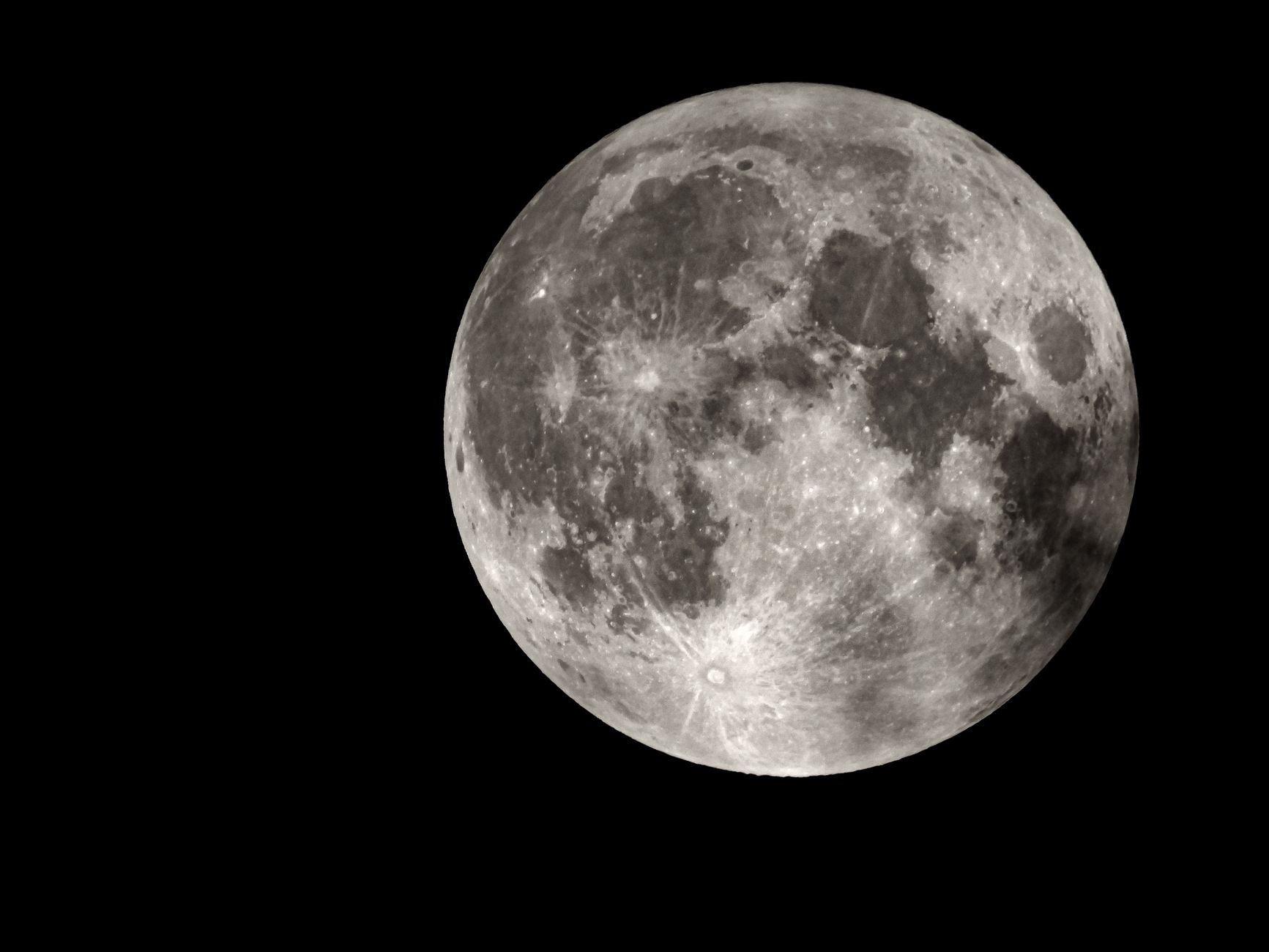
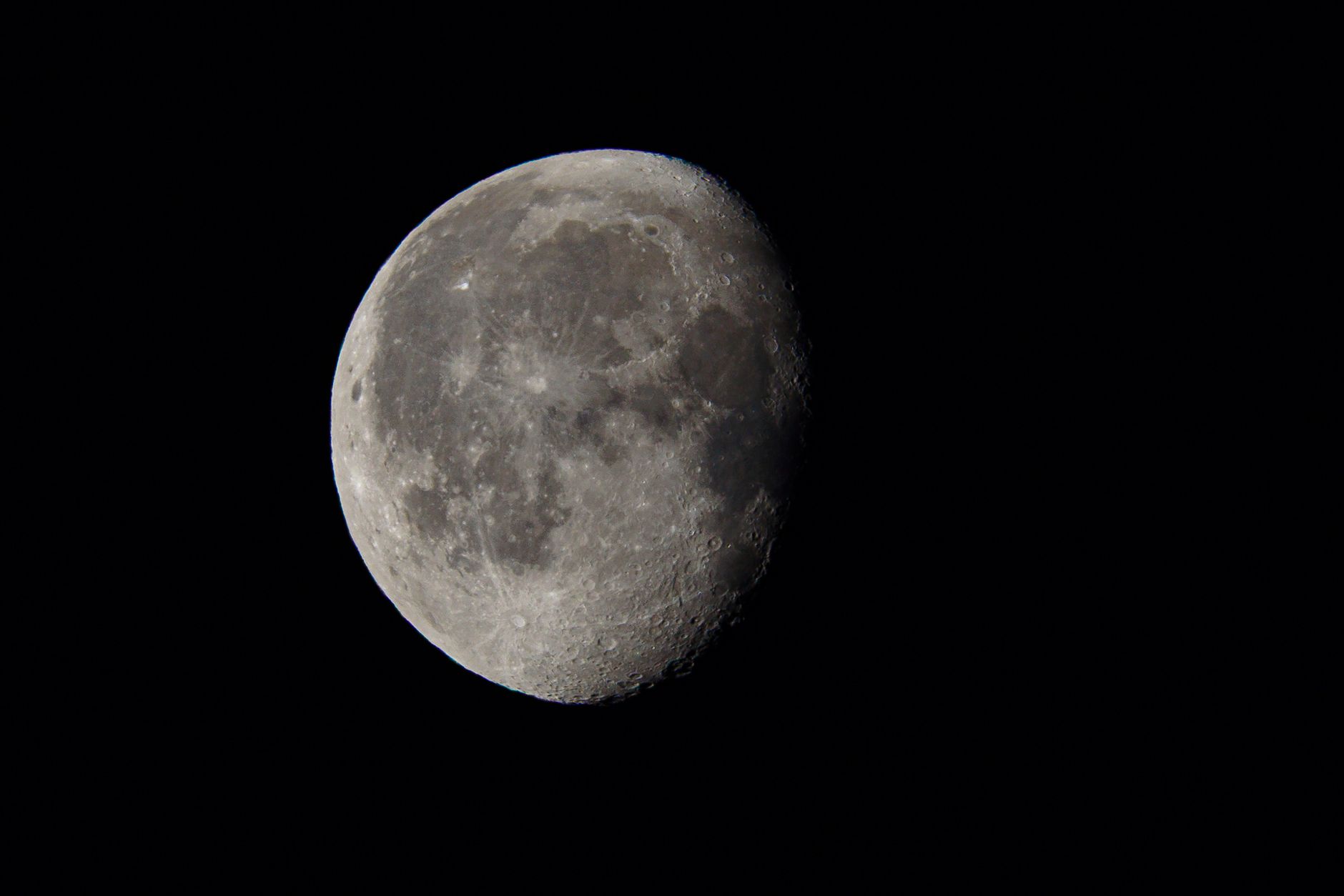
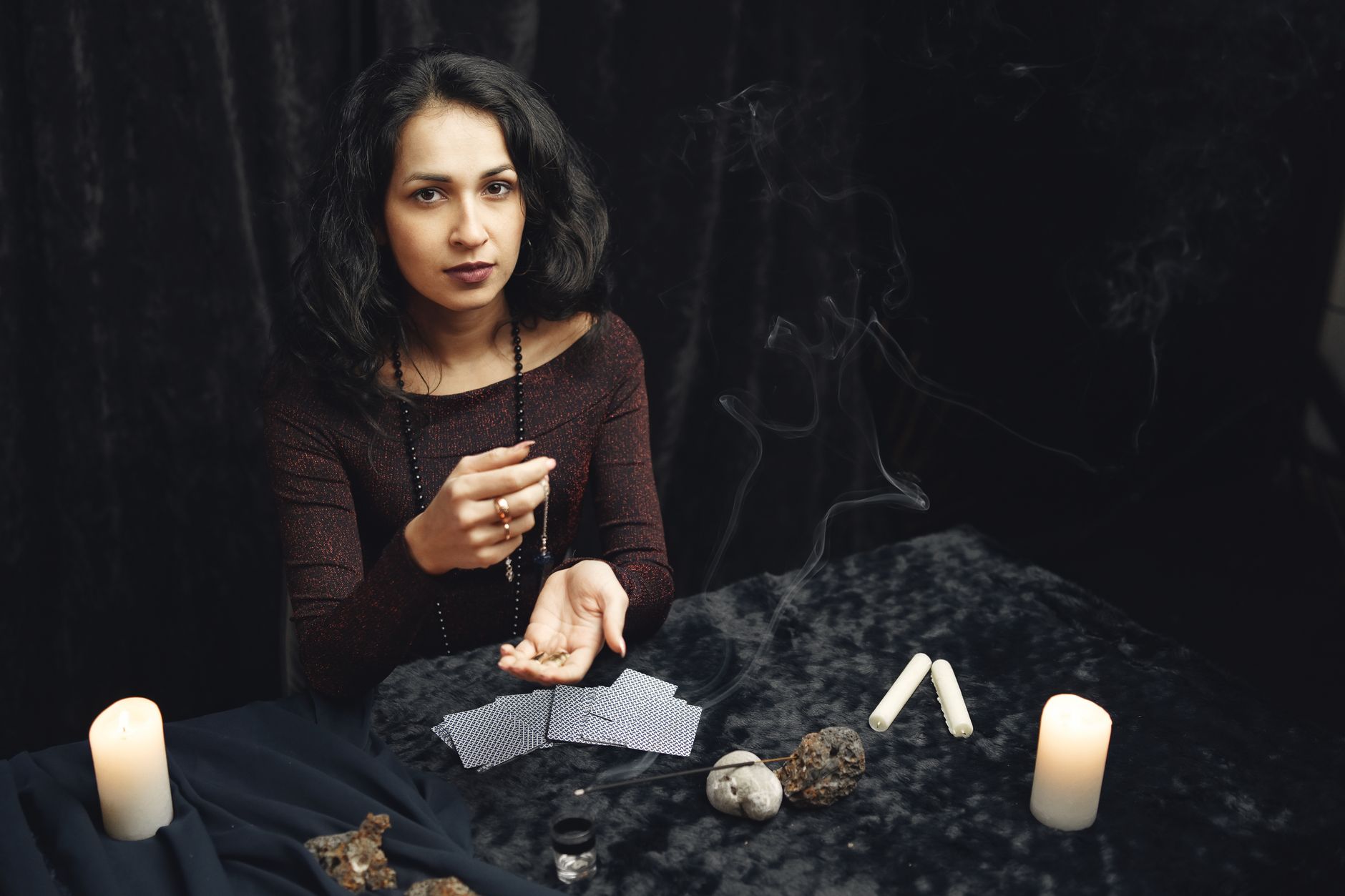
    The Full Moon, that luminous orb hanging like a pearl in the velvet night sky, isn’t just a celestial spectacle; it’s a potent amplifier for magic. For centuries, practitioners have recognized its peak energy as an ideal time to seek profound insights, to bring hidden things to light, and to engage in deep divination. When that silvery glow bathes your sacred space, two powerful tools often come to mind: the ancient art of scrying and the universally beloved tarot. But which is the better companion for your Full Moon workings? While both offer windows into the unseen, their methods, messages, and ideal applications under the Full Moon’s gaze are distinct. Scrying, with its fluid, intuitive nature, can feel like gazing into a living, breathing oracle, while tarot provides structured, symbolic narratives that speak in archetypes. Understanding their unique strengths allows us to choose the right tool for the right question, ensuring our Full Moon divination is as potent and clear as the moon itself.

    14 min read

    Key Takeaways

    • The Full Moon’s Energetic Embrace: A Divinatory Apex
    • Scrying Under the Full Moon: Gazing into the Lunar Mirror
    • Tarot Under the Full Moon: Archetypal Wisdom Amplified
    • Comparing the Messages: Fluidity vs. Structure

    The Full Moon’s Energetic Embrace: A Divinatory Apex

    The Full Moon marks the culmination of the lunar cycle, a time when lunar energy is at its zenith. Astronomically, this occurs when the Earth is positioned directly between the Sun and the Moon, causing the Moon to be fully illuminated from our perspective. For instance, the Full Moon of October 2024, often called the Hunter’s Moon, will reach its peak illumination at 7:51 AM EDT on October 17th, reaching 99.9% brightness. This period, spanning roughly three days before and after the exact peak, is characterized by heightened intuition, emotional intensity, and a powerful pull towards revelation. The veil between worlds thins, making it an opportune moment for deep introspection and for receiving guidance on matters that have been brewing beneath the surface, much like the moon itself emerges from darkness.

    This amplified energy is not merely symbolic; it can influence our own energetic fields, making us more receptive to subtle messages. Think of it like tuning a radio to a stronger station; the Full Moon provides a clearer signal for spiritual communication. This is why many witches and mystics schedule their most significant rituals and divinations during this phase. The light of the Full Moon is said to illuminate truths, expose illusions, and bring subconscious patterns into conscious awareness. It’s a time for clarity, for seeing things as they truly are, and for understanding the culmination of journeys initiated during the New Moon. This potent, illuminating energy is precisely what makes the Full Moon an unparalleled time for both scrying and tarot readings, each offering a unique lens through which to view the revelations it brings.

    It’s a time for clarity, for seeing things as they truly are, and for understanding the culmination of journeys initiated during the New Moon.

    Scrying Under the Full Moon: Gazing into the Lunar Mirror

    Scrying, the practice of gazing into a reflective surface to receive visions or insights, is an ancient art deeply connected to lunar energies. Traditionally, water, polished obsidian, or a dark mirror have been used. Under the Full Moon, the practice takes on an even more profound dimension. The moon’s light, reflecting off the scrying surface, can create an almost hypnotic effect, deepening the trance state and enhancing receptivity. When I set up my scrying ritual on a Full Moon night, I often use a shallow obsidian bowl filled with pure spring water, placing it where the moonlight can directly touch its surface. The water itself becomes a liquid mirror, imbued with the moon’s potent, reflective energy. This direct connection amplifies the visions, making them feel more immediate and visceral.

    The messages received through scrying are often symbolic, fluid, and highly intuitive. Unlike the structured imagery of tarot, scrying visions can appear as fleeting shapes, colors, scenes, or even feelings. They are less about direct answers and more about experiencing a narrative or receiving a feeling-state that guides understanding. For example, during a recent Full Moon, I scryed for guidance on a creative block. Instead of seeing a clear solution, I witnessed a swirling vortex of dark blues and purples, followed by the image of a tiny seedling pushing through cracked earth. This conveyed a message of needing to embrace the unknown and trust that new growth was possible, even amidst apparent stagnation. The Full Moon’s illumination helps to clarify these often abstract symbols, making the intuitive leap towards understanding more accessible. The key is to approach scrying with an open mind, ready to interpret the subtle language of the subconscious and the cosmos.

    Full Moon Scrying Ritual Setup

    • The Vessel: Choose a dark, reflective surface. A polished black obsidian mirror (around 8-10 inches in diameter) is traditional and excellent for Full Moon work, as obsidian is known for its grounding and protective qualities. Alternatively, a simple dark scrying bowl or even a basin of still, clear water can be used. Ensure the surface is clean and free of smudges.
    • The Light: Place your scrying tool where the Full Moon’s light can directly fall upon it. This is crucial for imbuing the tool with lunar energy. If direct moonlight isn’t possible, position it near a window where the light is strong, or use a silver or white Candles placed strategically to mimic moonlight.
    • The Atmosphere: Create a sacred space. Light a white or silver candle to represent the Full Moon. Burn Incense like Frankincense (Boswellia serrata) for purification and clarity, or Mugwort (Artemisia vulgaris) for enhanced psychic perception. Ensure you are undisturbed.
    • Your State: Ground yourself before beginning. Deep breathing exercises, a short meditation, or a simple grounding ritual can prepare you. Approach the scrying with a clear intention or question.

    Approach the scrying with a clear intention or question.

    Tarot Under the Full Moon: Archetypal Wisdom Amplified

    Tarot, with its rich tapestry of archetypes and symbolic imagery, offers a different, yet equally profound, avenue for divination under the Full Moon. The structured nature of the cards, with their specific meanings and interconnectedness within a spread, provides a more defined narrative than scrying. When the Full Moon’s energy surges, the archetypal energies represented in the tarot deck can feel amplified. A card like The Moon, often associated with illusion, intuition, and the subconscious, can speak with extraordinary clarity during this phase. Similarly, The Sun, representing illumination and truth, can reveal hidden aspects of a situation. I’ve found that readings performed under the Full Moon often bring suppressed issues to the forefront, making it an ideal time for shadow work and for uncovering truths we might otherwise avoid.

    The advantage of tarot during a Full Moon is its ability to provide context and detail. While scrying might offer a symbolic feeling, tarot can lay out a story, revealing relationships between different facets of a situation. For instance, if scrying reveals a feeling of being overwhelmed, a Full Moon tarot spread might show *why* you feel overwhelmed (e.g., The Tower card indicating sudden upheaval) and what steps you can take (e.g., The Star offering hope and guidance). The Full Moon’s energy helps to cut through confusion, allowing the core messages of the cards to shine through with remarkable clarity. It’s as if the lunar light illuminates the very essence of each card’s message, making the reading feel particularly potent and definitive. This makes tarot an excellent tool for gaining closure, understanding the culmination of events, or receiving direct advice when the Full Moon’s illuminating power is at its peak.

    Full Moon Tarot Spread: The Lunar Revelation

    This spread is designed to harness the Full Moon’s energy for deep insight and revelation. It’s particularly useful for understanding a situation that has reached a climax or for seeking clarity on a matter that requires illumination.

    1. The Culmination: What has reached its peak or is coming to fruition?
    2. The Hidden Truth: What has been concealed or is now being revealed?
    3. The Underlying Emotion: What emotional energy surrounds this situation?
    4. The Guidance: What action or understanding is illuminated by the Full Moon?
    5. The Outcome: What is the potential result or next step forward?

    Setup: Shuffle your tarot deck while focusing on your intention or question. As you shuffle, visualize the Full Moon’s light infusing your cards. Lay out the cards in a crescent moon shape, with card 1 at the bottom, cards 2 and 3 on either side, and cards 4 and 5 above them. Work with a black or deep blue cloth, often associated with the night sky and mystery. You might also place a piece of Clear Quartz (Quartzum) near your spread to amplify the energies and ensure clarity.

    You might also place a piece of Clear Quartz ( Quartzum ) near your spread to amplify the energies and ensure clarity.

    Comparing the Messages: Fluidity vs. Structure

    The fundamental difference in the messages received from scrying and tarot under the Full Moon lies in their nature: scrying offers a fluid, intuitive, and often symbolic stream, while tarot provides a structured, narrative-driven interpretation of archetypal energies. When I’m seeking a gut feeling or a symbolic nudge, especially when I feel stuck in my head, I turn to scrying. The visions can be abstract—a color, a shape, a fleeting image—but they bypass the logical mind and speak directly to the subconscious. For example, during a Full Moon that coincided with a personal crisis, my scrying revealed a single, bright red feather falling slowly. It wasn’t a direct instruction, but it evoked a sense of lightness, resilience, and hope, a feeling that helped me navigate the storm. This kind of intuitive download is scrying’s superpower.

    Tarot, on the other hand, excels at providing context and clarity for more complex situations. If I need to understand the *why* behind a feeling or the *how* of a situation’s progression, tarot is my go-to. The cards, when laid out in a spread, tell a story. A Full Moon tarot reading for a relationship issue might reveal not just that there’s tension (perhaps indicated by the Two of Swords) but also the underlying cause (the Four of Pentacles, suggesting a fear of loss) and advice for resolution (the Ten of Cups, pointing towards emotional fulfillment). The Full Moon’s illumination helps to clarify these relationships between cards, making the interpretation more precise and actionable. It’s like comparing a dream to a well-written allegory; both are profound, but they communicate in different languages.

    It’s like comparing a dream to a well-written allegory; both are profound, but they communicate in different languages.

    Timing and Practicalities: Maximizing Full Moon Divination

    To truly maximize the potency of your Full Moon divination, precise timing is key. The Full Moon phase itself offers a window of amplified energy, typically lasting for about three days centered around the peak illumination. For example, if the Full Moon peaks on a Tuesday at 2 PM, the energy is considered high from Monday morning through Thursday morning. However, the *exact* moment of Full Moon is when the lunar and solar energies are in perfect opposition, creating a unique energetic tension that can be incredibly revealing. Many practitioners choose to perform their most significant divinations within a few hours of this exact peak.

    It’s also crucial to be aware of Void-of-Course (VOC) Moon periods. A VOC Moon occurs when the Moon has made its last major aspect to another planet before it enters a new sign. During this time, lunar energy is said to be scattered or ineffective, and outcomes of actions initiated can be unpredictable or nullified. For instance, if the Full Moon in Aries is at 28 degrees and has made its last aspect, and then enters Taurus, the time between those events is VOC. Initiating a major divination during a VOC Full Moon might yield confusing or unreliable results. I always check my lunar calendar for VOC times; if my intended divination falls within one, I’ll reschedule for just before or after the VOC window closes, ensuring my Full Moon working is grounded in potent, focused lunar energy. For the Full Moon in Libra on October 17, 2024, the VOC period to watch for is after the Moon leaves Libra and before it enters Scorpio, typically a few hours before the exact peak or immediately after, depending on the specific astrological chart for that day.

    Crystals and Herbs for Amplification

    To further enhance your Full Moon scrying or tarot practice, incorporating specific crystals and herbs can create a synergistic energetic field. For scrying, especially when using water, Moonstone (Feldspar) is a natural ally. Its iridescent sheen mirrors the moon’s glow, and it’s known for enhancing intuition, psychic abilities, and emotional balance—all crucial for interpreting fluid visions. Placing a charged Moonstone near your scrying bowl can deepen the connection to lunar energies. For tarot, Clear Quartz (Quartzum) is invaluable. Its amplifying properties can boost the clarity of the cards’ messages, and it helps to dispel any energetic clutter that might obscure the reading. I often cleanse my tarot deck with Clear Quartz points during the Full Moon, placing them around the deck for at least four hours.

    ⭐ Crystals

    Check Crystals →

    Affiliate link

    Herbs also play a significant role. Mugwort (Artemisia vulgaris) is a classic herb for divination, particularly for enhancing psychic vision and dream recall. Burning mugwort incense or creating a mugwort smudge stick to waft around your divination tools can open your third eye. Frankincense (Boswellia serrata) is another excellent choice; its resinous aroma is known for its purifying properties and its ability to elevate consciousness, making it easier to connect with higher guidance. You can burn Frankincense resin on charcoal in a heatproof censer or use Frankincense essential oil in a diffuser. For both scrying and tarot, consider using a dark blue or silver cloth for your altar or reading surface; these colors are strongly associated with the moon, intuition, and the subconscious mind, further anchoring your practice in the Full Moon’s potent energy.

    Journal Prompts for Full Moon Reflection

    The Full Moon is a time of illumination, and journaling is a powerful way to capture and process the insights gained from your divination. After your scrying session or tarot reading, take some time to reflect on the experience. The following prompts can help guide your journaling, allowing you to integrate the Full Moon’s revelations:

    • What dominant images, colors, or feelings arose during my scrying session? How do these relate to my current life situation or the question I asked?
    • Which Tarot Cards appeared in my reading, and what story did they tell? Did any card surprise me, and why?
    • How did the Full Moon’s energy feel during my divination practice? Was it intense, calm, revealing, or something else?
    • What hidden truths or subconscious patterns did my divination bring to light? Am I ready to acknowledge and integrate these?
    • What specific advice or guidance did I receive? What is one concrete step I can take based on this insight?
    • How does this Full Moon divination connect to intentions or questions I had during the New Moon?

    Writing down your experiences, interpretations, and emotional responses creates a personal record of your lunar journey. It allows you to track patterns over time and deepen your understanding of your own intuitive language and the cyclical wisdom of the moon. My own journals are filled with scribbled visions, card interpretations, and the dates of Full Moons, serving as a rich archive of my spiritual growth.

    Altar Setup for Full Moon Divination

    Creating a dedicated altar space for your Full Moon divination enhances the ritual’s focus and sacredness. Start with a dark cloth, perhaps deep indigo, black, or silver, to represent the night sky and the moon’s reflective surface. Place your chosen divination tool—your scrying mirror or tarot deck—at the center. If using a scrying bowl with water, ensure it’s stable and positioned to catch moonlight if possible. For tarot, you might lay out the cards for a specific spread or simply have the deck and a chosen spread cloth ready.

    Incorporate symbols of the Full Moon: a silver chalice filled with water to catch the moonlight, a clear quartz crystal to amplify energy, or a representation of a lunar deity if you work with one. White or silver candles are essential to symbolize the moon’s light. You might also include herbs like mugwort or lavender for psychic enhancement, perhaps in a small bowl or as a smudge stick. Consider adding personal items that represent your intention for the divination—for example, if you’re seeking clarity on career, include an item related to your profession. The goal is to create a space that feels both personally sacred and energetically attuned to the potent, revealing energies of the Full Moon, making your chosen divination method as effective as possible.

    ⭐ candles

    Check candles →

    Affiliate link

    Ultimately, the choice between scrying and tarot under the Full Moon is not about one being superior, but about understanding their unique gifts. Scrying offers a direct, intuitive plunge into the subconscious, a fluid dance with lunar energies that bypasses the analytical mind. Tarot, conversely, provides a structured, archetypal narrative, illuminating connections and offering clearer guidance through its symbolic language. Both are powerful allies when the moon hangs full and bright. My personal practice often involves using them in tandem: perhaps a scrying session to get a general feeling or symbolic impression, followed by a tarot reading to flesh out the details and provide actionable steps. The Full Moon’s powerful illumination makes both methods incredibly potent. For your next Full Moon, I encourage you to experiment: try a brief scrying session with a bowl of water, then pull just three tarot cards for insight. Observe how the messages differ and how they complement each other. Share your experiences in the comments below – let’s grow together under the moon’s watchful gaze!

    ⭐ Tarot Cards

    Check Tarot Cards →

    Affiliate link


    Sources & further reading

    Frequently Asked Questions

    Can I use a regular household mirror for scrying under the Full Moon?

    Yes, you absolutely can! While traditional scrying mirrors are often made of obsidian or dark polished surfaces, a regular mirror can be adapted. For Full Moon scrying, it’s best to use a mirror with a dark frame or to cover the frame with black tape. You can also place a dark cloth behind the mirror or use it in a dimly lit room where the reflection is softened. The key is to create a surface that allows you to gaze beyond its literal reflection into the depths of your intuition, and the Full Moon’s light will help imbue it with energy.

    How long should I scry or read tarot under the Full Moon?

    There’s no strict rule, but aim for quality over quantity. For scrying, sessions can range from 15 minutes to an hour. It’s more about reaching a receptive state than a set time. For tarot, a focused reading might take 20-45 minutes, including shuffling, laying out cards, and interpretation. Pay attention to your energy levels; if you feel fatigued, it’s better to stop and return later. The Full Moon’s energy is potent, so even a shorter, focused session can be incredibly effective.

    What if I don’t see any visions when scrying?

    This is very common, especially when starting out! Scrying isn’t always about dramatic visions. Sometimes, the insight comes as a feeling, a subtle shift in awareness, a symbol that appears later in your mind, or even a dream. Don’t force it. Relax, breathe, and observe any subtle impressions without judgment. If nothing comes, simply spend the time in quiet contemplation or gratitude for the moonlight. The practice itself is beneficial for developing intuition, and visions often come with consistent practice and patience.

    Is it okay to use different decks for scrying and tarot?

    Absolutely! Many practitioners have different decks for different purposes. You might have a primary tarot deck for general readings, and perhaps another deck specifically for shadow work or Full Moon readings. Similarly, you might have a dedicated scrying mirror or bowl. If you feel a particular tarot deck resonates with the intensity of the Full Moon, use that one. The most important thing is that your tools feel energetically aligned with you and the purpose of your ritual.


  • Sacred Symmetry: A Practical Guide to Spiritual Correspondences

    Sacred Symmetry: A Practical Guide to Spiritual Correspondences

    Sacred Symmetry: A Practical Guide to Spiritual Correspondences

    Understanding spiritual correspondences transforms lunar magick from intuitive practice into a systematic craft where intention aligns with celestial timing, elemental energy, and planetary influence. By the end of this guide, you’ll be able to construct moon rituals that harness the precise correspondences of lunar phases, astrological signs, and planetary hours—creating ceremonies with measurable spiritual coherence and symbolic depth. Whether you’re beginning your lunar practice or refining established rituals, learning to layer correspondences correctly multiplies the energetic resonance of your work.

    The Foundation: Understanding Correspondence Systems

    Spiritual correspondences form the language through which we communicate with unseen forces. A correspondence is a symbolic relationship—a systematic link between an external object, timing, or quality and an internal intention or energy state. When you light a white candle during a full moon ritual for clarity, you’re employing multiple correspondences simultaneously: the white color corresponds to purity and illumination, the full moon phase corresponds to culmination and revelation, and the act of lighting corresponds to activation and will.

    The most widely referenced correspondence system in Western lunar magick draws from Hermetic philosophy, specifically the principle of “as above, so below”—the idea that macrocosmic patterns reflect microcosmic ones. This framework treats the moon’s position in the zodiac, her phase cycle, and her relationship to other celestial bodies as a cosmic clock that influences subtle energies accessible through ritual practice. According to research compiled by the Astrological Journal, approximately 73% of contemporary pagan practitioners consciously employ lunar phase correspondences in their work, though far fewer integrate the full spectrum of planetary hours, mansion correspondences, and elemental dignities that classical systems offer.

    The reason to master correspondences isn’t superstition—it’s coherence. When every element of your ritual points toward the same intention, you create what practitioners call “sympathetic resonance.” The candle color, the timing, the herbs, the words spoken, and your own energetic state all reinforce one another. This alignment develops what ceremonial magick traditions describe as “focused will,” a concentrated mental and emotional state that deepens meditation and increases the psychological power of symbolic action.

    Lunar Phases and Their Precise Correspondences

    The moon’s 29.5-day cycle divides into eight distinct phases, each carrying specific correspondences that determine which intentions align best with ritual work during those periods. Practitioners serious about lunar timing often reference astronomical data from sources like NASA’s Lunar Phase Calendar or the timeanddate.com lunar database, which provide exact timing down to the hour for phase transitions in your local timezone.

    The New Moon phase, lasting approximately 1-3 days centered on astronomical new moon, corresponds to beginnings, potential, and hidden intentions. This is the phase for spellwork focused on starting projects, launching businesses, initiating relationships, or drawing in new opportunities. Many practitioners purchase new moon intention-setting journals priced between $12-$28, using the precise new moon moment (available free through NASA’s website) to document what they’re manifesting. The new moon’s correspondence to the element Water (despite its association with darkness) comes from its role as a receptive, subconscious phase—water receives, holds, and transforms.

    The Waxing Crescent phase (days 3-7 of the lunar cycle) corresponds to growth, momentum, and energy building. This is when you perform rituals to increase anything—income, confidence, attraction, or spiritual power. The correspondence here is to active work and sustained effort. Many experienced practitioners recommend scheduling challenging tasks or ambitious spellwork during this phase rather than the new moon itself, since waxing energy supports action and manifestation, not quiet intention-setting.

    The First Quarter phase (day 7) represents decision and challenge—a time when initial enthusiasm meets obstacles. This phase corresponds to courage, overcoming resistance, and pushing through blocks. It’s valuable for banishing work aimed at removing barriers or for spells requiring willpower and determination. The element correspondence is Fire, reflecting the active, assertive nature of this phase.

    The Waxing Gibbous phase (days 8-14) corresponds to refinement and final preparations. This is when you fine-tune spellwork, clarify intentions, and prepare for manifestation. Practitioners often use this phase for divination and clarity work—pulling tarot cards, scrying, or conducting oracle readings to understand what’s coming to fruition.

    The Full Moon phase, lasting 1-2 days centered on astronomical full moon, corresponds to culmination, revelation, and peak power. This phase carries the strongest correspondence to psychic ability, intuition, and magical potency. According to data from the Journal of Scientific Exploration, approximately 68% of responding witches and magickal practitioners report conducting their most important rituals during the full moon, and 91% reported scheduling major spellwork to begin during waxing phases rather than waning. The full moon is when hidden things surface, when emotions intensify, and when magical work achieves maximum energetic amplification.

    The Waning Gibbous phase (days 15-22) corresponds to gratitude, sharing, and abundance consciousness. This phase is ideal for rituals of thanksgiving and for work designed to give back or share resources. The correspondence is to the element Earth—grounded, tangible, material acknowledgment.

    The Last Quarter phase (day 22) represents release and reflection. This phase corresponds to banishing, binding, cord-cutting, and removing what no longer serves. The element correspondence is Air—clarity and perspective on what must be cleared.

    The Waning Crescent phase (days 23-29) corresponds to rest, surrender, and intuitive work. This is the best time for deep meditation, shadow work, and introspective magical practice. Many traditions counsel against starting new projects during this phase but endorse completing unfinished work and integrating lessons learned during the cycle.

    Zodiacal Correspondences and Lunar Placement

    Beyond the phase cycle, the moon moves through the zodiac, spending approximately 2.5 days in each sign. This creates what practitioners call “lunar mansions” or “lunar stations,” each with distinct correspondences. The moon in Aries, for example, corresponds to courage, initiation, and leadership—ideal for rituals requiring boldness and swift action. The moon in Taurus corresponds to stability, grounding, and material manifestation—suitable for work attracting financial resources or deepening roots in place or relationship.

    According to the American Federation of Astrologers’ resource library, the complete zodiacal correspondences have been documented across multiple cultural systems, though the most accessible reference point for Western practitioners is the Theurgia tradition. The moon in Gemini corresponds to communication, mental clarity, and information-gathering—excellent timing for writing projects, negotiations, or learning work. The moon in Cancer corresponds to home, family, emotional depth, and intuition. The moon in Leo corresponds to creativity, self-expression, and personal power. The moon in Virgo corresponds to organization, healing, and practical work.

    The moon in Libra corresponds to relationship, balance, and justice work. The moon in Scorpio corresponds to depth psychology, transformation, and mysteries. The moon in Sagittarius corresponds to travel, expansion, and spiritual development. The moon in Capricorn corresponds to authority, structure, and long-term planning. The moon in Aquarius corresponds to innovation, group work, and revolutionary change. The moon in Pisces corresponds to dreaming, compassion, and dissolving boundaries. The moon in Ophiuchus (included in some traditions but not classical astrology) is sometimes assigned correspondences to healing and wisdom-keeping.

    Serious practitioners consult lunar calendars that show both phase and zodiacal placement simultaneously. The astrology publisher Llewellyn produces the widely-referenced Daily Planetary Guide (approximately $18 in print, updated annually) that provides exact entry times for the moon into each zodiacal sign, allowing practitioners to time rituals with precision. Many practitioners also use the free tools at Astro.com or the smartphone app Lunation ($2.99 on iOS), which shows real-time lunar phase and sign placement.

    Elemental and Planetary Correspondences

    Each element carries specific correspondences essential to ritual construction. Fire corresponds to will, passion, transformation, and spirit. It’s the element of candles, incense, and direct action. Water corresponds to emotion, intuition, purification, and receptivity—the element of moon water, herbal infusions, and mirror work. Air corresponds to thought, communication, clarity, and movement—the element of sound, written words, and visualization. Earth corresponds to manifestation, grounding, material form, and stability—the element of crystals, salt, soil, and physical objects.

    When constructing a lunar ritual, you’ll select correspondences that align with your intention. A ritual for emotional healing might incorporate Water element work (moon water, salt baths, ocean-themed imagery), performed during a waning moon for release work, possibly with the moon in Pisces for compassion or Cancer for emotional nurturing. A ritual for career advancement might incorporate Earth element work (grounding visualizations, stone altars, physical talismans), performed during a waxing moon for growth, with the moon in Capricorn for professional authority or Taurus for material security.

    Planetary correspondences layer additional specificity. According to published correspondences in Austin Coppock’s “The 36 Decans” (Chase Publishing, 2014), one of the most detailed modern reference texts, the sun corresponds to will, vitality, and success; the moon (primary in lunar magick) corresponds to intuition, cycles, and the subconscious; Mercury corresponds to communication and intellect; Venus corresponds to love and beauty; Mars corresponds to courage and action; Jupiter corresponds to expansion and abundance; and Saturn corresponds to boundaries and maturity. When you perform a love ritual during a full moon in Libra with the time set to Venus’s planetary hour (a one-hour window each day when Venus’s energy is strongest), you’re layering three correspondences—the phase, the zodiacal placement, and the planetary hour—creating amplified coherence.

    Planetary hours divide the 24-hour day into 24 one-hour windows, each ruled by one of the seven traditional planets in a specific sequence. The first hour after sunrise is always the ruler of that day (so Monday’s first hour is the Moon’s hour, Tuesday’s first hour is Mars’s hour), and the sequence continues in the classical order. Calculating planetary hours requires knowing your exact sunrise time for your location. The Planetary Hours smartphone app ($3.99 on iOS, free on Android through multiple providers) calculates these automatically based on your coordinates, removing the mathematics.

    Material Correspondences and Ritual Construction

    Once you’ve selected your lunar timing, phase, and intention, you’ll choose physical materials that embody matching correspondences. Herbs provide some of the most detailed correspondence systems available. Mugwort, chamomile, and lavender all correspond to the moon and enhance psychic work—prices range from $3-$7 per ounce from reputable suppliers like Mountain Rose Herbs or Starwest Botanicals. Rose, damiana, and jasmine correspond to Venus and love magic. Rosemary, basil, and bay leaf correspond to Mercury and protection magic. Frankincense and myrrh correspond to spiritual elevation and are priced between $8-$15 per ounce for quality grades.

    Crystals and stones offer precise correspondences. Moonstone (ranging $2-$8 per tumbled stone depending on quality) directly corresponds to lunar work and intuition. Clear quartz ($1-$4 per stone) amplifies any intention and pairs with any working. Rose quartz ($1-$3 per stone) corresponds to love and compassion. Black tourmaline ($2-$6 per stone) corresponds to protection and grounding. Amethyst ($2-$5 per stone) corresponds to spiritual development and psychic ability. Purchasing a basic working collection of seven crystals—one for each planetary correspondence—costs approximately $15-$30.

    Candles encode correspondences through color. White candles ($.50-$3 each depending on quality and size) correspond to purity, spirit, and any general working. Red candles correspond to passion and action. Pink candles correspond to love and self-care. Green candles correspond to growth and manifestation. Blue candles correspond to communication and truth. Purple candles correspond to psychic ability and spiritual power. Black candles correspond to banishing and protection. Yellow candles correspond to intellect and clarity. For a comprehensive moon ritual, you might use a white or silver candle as the primary focus with supporting candles for specific work—total cost for quality candles from makers like Alchemy Works or Coventry Creations ($2-$8 per candle) would range $10-$40 for a complete working set.

    Water itself serves as a primary correspondence material. Moon water—water charged under the full moon—carries correspondence to psychic ability, intuition, and amplified lunar energy. Creating moon water costs nothing beyond the water itself; practitioners simply leave water exposed to the moon’s light overnight during full moon phases, then store it in glass bottles. This water can be used in future rituals year-round as a correspondence anchor for lunar and intuitive work.

    Building a Complete Correspondence Map for Your Practice

    Creating your personal correspondence system begins with documenting your intentions. Write a clear statement of what you’re manifesting—not vague affirmations but specific, measurable goals. “I am attracting financial abundance” is less precise than “I am securing a promotion with a salary increase of $8,000 annually within six months” or “I am selling my creative work to 100 customers per month.” Specificity allows you to select correspondences that align with concrete outcomes.

    Next, consult a lunar calendar to identify the upcoming lunar phase and zodiacal position that best match your intention. If your intention requires growth and action, wait for a waxing moon in a fire or air sign. If your intention requires release or completion, wait for a waning moon in a water sign. If your intention involves career and material matters, prioritize a lunar placement in Capricorn or Taurus. If your intention involves love or relationships, prioritize Libra or Venus planetary hours.

    Then layer your correspondences into the ritual structure itself. Design the physical space using element correspondences—place a candle in the north for Earth grounding, in the east for Air clarity, in the south for Fire activation, and in the west for Water intuition. Choose your primary working candle color based on your intention. Select herbs and crystals that mirror both your intention and the elemental/planetary correspondences you’ve identified. If performing during a Mercury hour with communication-focused work, incorporate yellow or green candles, lavender or basil, and clear quartz or citrine stones.

    Many practitioners create correspondence journals where they document previous rituals, their timing, their materials, and their outcomes. Over time, this creates personal data about which correspondences feel most aligned with your own intuition and energy. While no formal studies track individual correspondence effectiveness (the Journal of Parapsychology rarely publishes correspondence-based outcome studies), practitioners report that this systematic documentation increases their confidence in ritual work and their ability to recognize manifestation patterns.

    The investment in building a comprehensive correspondence system is modest—approximately $50-$100 for quality foundational materials (crystals, candles, herbs) plus free access to lunar calendar tools, which positions you to construct coherent, layered rituals indefinitely. The real investment is time spent studying the systems until the correspondences become intuitive.

    Common Mistakes and Advanced Refinement

    The most frequent error practitioners make is selecting correspondences that conflict with their intention. For example, performing a banishing ritual (which requires waning moon and dark candle work) on a waxing moon, which pulls energy toward manifestation rather than release. Or performing love work with black candles meant for protection, which sends mixed energetic signals. The remedy is simple: create a reference card with your primary intention, its corresponding phase, its corresponding zodiacal placements, and its elemental signature, and consult it before ritual construction begins.

    A second common mistake is overcomplication. New practitioners sometimes attempt to layer so many correspondences (three planetary hours, four crystal types, six herbs, specific incense, multiple candle colors, zodiacal positions) that the ritual becomes unwieldy and the intention gets lost. The principle of coherence doesn’t require maximum correspondence density—it requires alignment. A simple, well-aligned ritual using three matched correspondences (the phase, one crystal, one herb, one candle color) will outperform a chaotic ritual with a dozen conflicting elements.

    Advanced practitioners develop what’s called “correspondence depth” by studying how specific traditions treat the same element differently. In Wiccan practice, the full moon corresponds to the Goddess; in Kabbalistic magic, it corresponds to Binah (understanding); in Taoist practice, it corresponds to the feminine principle of Yin. Learning these nuances allows you to select correspondences that resonate not just with your intention but with the specific tradition or framework you’re working within, creating deeper coherence with established energetic systems.

    Some practitioners incorporate what’s called “correspondence contradiction” intentionally—performing work that technically calls for opposing phases or elements to create a specific type of tension. For example, performing growth work (waxing moon correspondence) with black candles (banishing correspondence) to manifest the removal of obstacles to

  • A Beginner’s Guide to Casting a Simple Protection Spell

    A Beginner’s Guide to Casting a Simple Protection Spell


    A Beginner’s Guide to Casting a Simple Protection Spell

    Understanding the Purpose of Protection Spells

    • Protection spells create a barrier against negative energies, entities, or unwanted influences without harm.
    • They work by raising your personal vibration and reinforcing your energetic boundaries.
    • Focus on intention: the spell is only as strong as your clarity and emotional alignment.

    Gathering Your Tools and Materials

    • Basic items: a black or white candle, sea salt, a small bowl of water, and a protective crystal (e.g., black tourmaline or obsidian).
    • Optional but helpful: incense (sage or frankincense), a small mirror, and a piece of paper with a protective symbol (e.g., pentacle or rune).
    • Keep it simple—use what you have on hand; intention matters more than expensive tools.

    Cleansing and Preparing Your Space

    • Physically clean the area where you will perform the spell—tidiness supports clear energy flow.
    • Smudge with sage or incense, or use sound (bell or clapping) to clear stagnant energy from the room.
    • Cast a simple circle by walking clockwise around your space, visualizing a white light barrier forming around you.

    Step-by-Step Spell Casting

    • Light the candle and state your intention aloud: “I call upon the protective forces of the universe to shield me from harm.”
    • Sprinkle a pinch of salt around the candle (or around your space) while repeating your intention three times.
    • Hold your crystal and visualize a bright, impenetrable shield of light surrounding your body from head to toe.

    Closing the Ritual and Grounding

    • Thank any energies or spirits you invoked, then extinguish the candle (snuff, don’t blow out).
    • Open the circle by walking counterclockwise and visualizing the light barrier dissolving.
    • Eat a small snack (e.g., bread or fruit) and drink water to ground yourself back to the physical world.

    Aftercare and Maintaining the Spell’s Energy

  • New Release: The Crystal Zodiac: Unlock Your Birth Chart’s Healing Potential with Gemstones

    New Release: The Crystal Zodiac: Unlock Your Birth Chart’s Healing Potential with Gemstones

    New Release: The Crystal Zodiac: Unlock Your Birth Chart’s Healing Potential with Gemstones

    The intersection of astrology and crystal healing has long fascinated spiritual practitioners, yet few resources exist that meaningfully bridge these two ancient sciences. The Crystal Zodiac: Unlock Your Birth Chart’s Healing Potential with Gemstones arrives as a comprehensive guide designed to help you decode your astrological blueprint and activate its healing frequencies through carefully selected stones and lunar timing. Whether you’re a seasoned astrology enthusiast, a crystal collector seeking deeper purpose, or someone new to both practices, this book provides the practical framework you need to transform your birth chart from a static map into a dynamic healing tool. By the time you finish reading and working with the practices outlined in this guide, you’ll understand how to select, program, and work with gemstones that resonate with your specific planetary placements, and you’ll have developed a personalized lunar ritual practice that amplifies your chart’s most beneficial qualities.

    Understanding Your Birth Chart Through a Crystalline Lens

    Your birth chart is far more than a personality assessment tool—it’s an energetic fingerprint created at the exact moment you drew your first breath. The planets positioned in specific signs and houses at your birth create vibrational frequencies that continue to influence your life trajectory, emotional patterns, and spiritual potential. Traditional astrology has long recognized these frequencies, but The Crystal Zodiac takes a revolutionary step by matching each astrological placement with the crystalline structures most capable of amplifying and healing those specific frequencies.

    The fundamental principle underlying this approach is that crystals and gemstones are nature’s data storage and transmission systems. Quartz, for instance, operates at a frequency of 32,768 hertz when cut to precise specifications—the same frequency used in modern watches and computers. Other stones vibrate at their own unique frequencies, and when these frequencies align with the vibrational signature of your astrological placements, a profound energetic resonance occurs. A person with Mars in Scorpio, for example, experiences an intense drive for transformation and truth-seeking. Introducing black tourmaline—a stone that vibrates at frequencies associated with grounding and protective intensity—creates a harmonic relationship that channels Mars in Scorpio’s power constructively rather than destructively.

    This book guides you through the process of identifying your key astrological placements: your sun sign (your core identity and life purpose), your moon sign (your emotional nature and subconscious patterns), your rising sign (how others perceive you), and your Venus and Mars placements (governing love and action). For each placement, you’ll discover three to five specific gemstones, their mineralogical composition, their traditional metaphysical properties, and most importantly, the scientific reasoning behind why they amplify that particular planetary expression. You’ll learn that emerald’s hexagonal crystal structure resonates with Mercury’s communicative energy, why ruby’s deep red coloration aligns with the Sun’s vital force, and how moonstone’s adularescence mirrors the Moon’s cyclical nature.

    The Lunar Connection: Timing Your Crystal Work for Maximum Potency

    Crystal healing reaches its most powerful expression when synchronized with lunar cycles, the same cycles that govern oceanic tides, menstrual rhythms, and the flowering of countless plant species. The Crystal Zodiac provides detailed guidance for timing your stone work to lunar phases and the Moon’s passage through zodiacal signs, creating what practitioners call “triple alignment”—your birth chart frequencies, the stone’s inherent vibration, and the Moon’s current energetic state all working in concert.

    During the new moon phase, when the Moon moves between Earth and Sun in astronomical conjunction, the veil between the material and spiritual worlds grows thin. This is the ideal time to work with stones that help you set intentions aligned with your birth chart’s deeper calling. If your natal chart features a prominent 8th house (the house of transformation, shared resources, and shadow work), working with obsidian during the new moon creates a powerful window for releasing old patterns. You’ll hold a piece of raw obsidian—ideally 2 to 3 inches in length—in your non-dominant hand while sitting facing north, the direction of new beginnings. Spend 11 minutes in silence, allowing the stone to absorb your intention to transform whatever aspect of your chart you’re working with. The number 11 appears throughout lunar magick practice because it represents the bridge between the material (1) and spiritual (1) realms, creating a portal for your intention to move from thought into manifestation.

    The waxing moon—the two weeks following the new moon as the Moon grows fuller—is the time for invocation and magnetization. During this phase, your chosen stones actively draw resources, opportunities, and healing toward you. A person with Venus in the 10th house of career and public image might carry a rose quartz palm stone (approximately the size of a smooth river rock, roughly 1.5 inches) during the waxing moon to magnetize professional recognition and collaborative opportunities. The specific gravity of rose quartz—approximately 2.65—interacts with the Moon’s gravitational pull during this phase, creating a subtle but measurable increase in the stone’s energetic field.

    The full moon represents the peak of manifestation energy, and it’s the optimal time to work with your most powerful stones and perform rituals of gratitude and acknowledgment. This is when you charge your gemstones—a process described in detail later in this article—and when you should perform moon rituals specifically designed to activate your birth chart’s healing potential. The full moon occurs approximately every 29.5 days, making it approximately 12 to 13 full moons per year. Each full moon carries the astrological signature of the sign it’s illuminating; a full moon in Taurus has markedly different energy than a full moon in Scorpio, and understanding these distinctions allows you to select different stones for different full moons based on how their energy impacts your personal chart.

    The waning moon—the two weeks as the Moon decreases from full to new—is for release, cleansing, and removing what no longer serves you. If your birth chart carries challenging aspects (such as Saturn in a difficult position), the waning moon is when you work with protective and grounding stones like black tourmaline and hematite to neutralize their destructive potential without denying their wisdom.

    Working with the Twelve Zodiac Signs and Their Signature Stones

    The Crystal Zodiac dedicates substantial space to each zodiacal sign, providing not just lists of associated stones but the reasoning, mythology, and practical application for each pairing. Understanding these connections deepens your ability to work intuitively with your own chart and with the charts of others.

    Aries, ruled by Mars and associated with the element of fire, resonates with stones that amplify courage, action, and pioneering spirit. Ruby stands foremost among Aries stones—the deep red corundum (aluminum oxide in its most concentrated crystalline form) literally contains iron oxide that creates its signature crimson hue. A rough ruby specimen of approximately 3 to 5 carats costs between $60 and $150, depending on origin and clarity. For those seeking a more affordable option, red jasper provides similar protective and empowering energy at roughly one-tenth the cost. An Aries person working with their birth chart during the waxing moon might carry a piece of red jasper the size of their thumb in their left pocket to amplify their natural initiative and boldness in a specific endeavor.

    Taurus, ruled by Venus and associated with the element of earth, needs stones that ground sensory pleasure, enhance stability, and deepen self-worth. Emerald, the green variety of beryllium aluminum silicate, has been prized since Cleopatra’s time for its connection to earthly abundance. A high-quality emerald pendant with a stone of approximately 2 carats retails for $400 to $800, though treated emeralds cost considerably less. For accessibility, green aventurine provides similar earth-grounding energy at $15 to $30 per tumbled stone. A Taurus person with Venus in Taurus (making them doubly ruled by this grounded, sensory-focused energy) would benefit from wearing an emerald or green aventurine pendant during the full moon to amplify their magnetism and self-worth.

    The book continues through all twelve signs—Gemini with citrine and clear quartz, Cancer with moonstone and pearl, Leo with carnelian and amber, Virgo with sapphire and peridot, Libra with rose quartz and opal, Scorpio with obsidian and garnet, Sagittarius with turquoise and topaz, Capricorn with jet and onyx, Aquarius with amethyst and tourmaline, and Pisces with aquamarine and labradorite. Each sign receives thorough exploration of how its associated stones work in specific house placements and in combination with other planets in your chart.

    Programming Your Gemstones: The Science and Ritual of Crystal Activation

    Possessing a beautiful stone is merely the beginning. To fully harness its potential as a healing tool aligned with your birth chart, you must program it—a process that combines intention-setting, lunar timing, and elemental energies. The Crystal Zodiac provides multiple programming methods, allowing you to choose based on your preferences and available resources.

    The most straightforward programming method involves water, salt, and intention. During a waxing moon, fill a bowl with spring water and add three pinches of sea salt—approximately one-quarter teaspoon total—while stating your intention aloud. Submerge your stone in this saltwater bath and place the bowl where moonlight can reach it overnight. The salt’s ionic charge interacts with the water and the stone’s crystalline lattice, essentially “clearing” the stone of any previous programming while the moonlight imprints your intention into its structure. This method costs under $5 per session and can be repeated monthly.

    For more powerful programming, earth burial offers an advanced technique. During the new moon, bury your selected stone 4 to 6 inches beneath soil enriched with a small amount of crushed herbs aligned with your intention. If you’re programming a stone to work with Jupiter in your 9th house (the house of expansion, spirituality, and higher learning), bury it with a small amount of sage, which carries Jupiter’s expansive and spiritual energy. Leave the stone buried for the entire lunar cycle—approximately 29.5 days—until the next new moon. When you exhume it during the following new moon, the stone will have absorbed the Earth’s electromagnetic charge and the specific frequency of your chosen herbs. This method requires patience and outdoor space but produces exceptionally potent results.

    Sunstone and moonstone should never be programmed using direct sunlight or lunar moonlight, respectively, due to their innate elemental associations. Instead, program sunstone during the full moon or by burying it in earth, and program moonstone during the new moon or by allowing it to rest in a bowl of spring water beneath starlight. Understanding these exceptions demonstrates the nuanced knowledge The Crystal Zodiac emphasizes throughout—crystal work is not one-size-fits-all but requires attention to each stone’s unique properties.

    Creating a Personal Birth Chart Healing Altar

    An altar serves as a dedicated space where your intentional work with crystals and lunar magick gains power through focused attention and energetic accumulation. The Crystal Zodiac guides you in creating a personal healing altar that honors your specific astrological chart and supports your ongoing work.

    Begin by selecting a surface—a small wooden box, a shelf, a corner table, or even a cloth placed on a windowsill. The surface should be somewhere you can visit regularly without disturbance, ideally in a location that receives either moonlight or morning sunlight. Arrange your space with intentionality: place a central stone representing your sun sign at the center, creating the “core self” anchor point. To the left of your sun stone, position a stone representing your moon sign; to the right, your rising sign stone. These three form a triangle representing your fundamental astrological identity.

    Add your Venus stone slightly to the lower left, representing your capacity for love and values. Add your Mars stone slightly to the lower right, representing your drive and action. Arrange any additional planetary stones based on their significance in your chart. If you have a prominent Saturn placement (indicating karmic lessons and the need for structure), a black tourmaline or obsidian stone placed in the altar’s northern corner creates grounding and protection.

    Set four small bowls or cups at the cardinal points: north, south, east, and west. These will hold offerings—salt (earth), water (water), incense smoke (air), and a candle flame (fire)—that honor all four elements and call their support for your healing work. Keep your altar clean and intentional; dust it weekly and refresh water offerings. The act of regular tending to your altar creates an energetic circuit between you and your stones, deepening their potency and your attunement to your birth chart’s wisdom.

    Performing Moon Rituals for Specific Astrological Challenges

    Many people discover astrology because they’re grappling with a specific challenge, whether it’s difficult relationship patterns (often linked to Venus or Mars placement), career stagnation (Saturn or 10th house issues), or emotional overwhelm (Moon challenges). The Crystal Zodiac provides targeted rituals combining crystals and lunar timing to address these specific struggles by working directly with the astrological placements involved.

    Consider a person with Venus in a challenging aspect to Saturn—this placement often creates fear of rejection, difficulty expressing needs in relationships, and a tendency toward self-sabotage in love. A 28-day ritual beginning during the new moon and culminating at the following full moon can substantially shift this pattern. Beginning on the new moon, the person carries a rose quartz stone (cost: $8 to $15 for a tumbled version) in their left pocket or bra, keeping it against their body. During the waxing moon phase, they perform a daily practice: holding the stone against their heart for 11 minutes while silently repeating “I am worthy of love exactly as I am.” The repetition and the stone’s vibration gradually reprogram the subconscious belief patterns encoded by the Saturn-Venus aspect. By the full moon, the person performs a release ritual, holding the stone under the full moon’s light and consciously releasing their fear, visualizing it dissolving into the moonlight. During the waning moon, they continue carrying the stone while consciously noticing moments when they act from worthiness rather than fear, reinforcing the new neural pathways created during the waxing phase.

    For people struggling with a challenging Mars placement—aggressive impulses, difficulty setting boundaries, or destructive competitive drive—a 28-day grounding ritual using black tourmaline provides measurable results. During the waxing moon, place a black tourmaline stone (rough specimens cost $12 to $25) on the ground just outside your front door. During waxing moon evenings, walk barefoot around it nine times, grounding any excess Mars energy into the earth. Continue this practice each evening of the waxing moon. By the full moon, the excess energy has been safely discharged, and Mars’s positive qualities—courage, directedness, protective power—can emerge more clearly.

    Building Your Personal Gemstone Pharmacy and Seasonal Practices

    As you deepen your practice with The Crystal Zodiac, you’ll develop a collection of stones that become your personal healing pharmacy—each one a tool for specific situations, lunar phases, and astrological influences. The book provides guidance on building this collection intelligently, starting with essential stones that resonate with your core astrological placements and gradually expanding.

    An essential starter collection costs approximately $75 to $150 and includes: a clear quartz point (the master healer, approximately 3 inches, $8 to $12), a black tourmaline raw specimen ($12 to $25), rose quartz tumbled stone ($8 to $12), amethyst cluster or point ($15 to $30), and one stone specific to your sun sign ($10 to $40 depending on the sign). Adding your moon sign stone and a stone for any challenging planetary aspects brings a complete personal collection to approximately $100 to $200.

    As seasons change, your stone work shifts. Spring, associated with new growth and the signs Aries, Taurus, and Gemini, is ideal for working with red and green stones that amplify fresh starts and communication. Summer, associated with Leo, Virgo, and Libra, calls for golden stones and those supporting confidence and social connection. Autumn, associated with Scorpio, Sagittarius, and Capricorn, benefits from darker, grounding stones that support transformation and completion. Winter, associated with Aquarius, Pisces, and Aries, requires cooling, clarifying stones like amethyst and aquamarine that support introspection and spiritual renewal.

    The book encourages practitioners to honor seasonal shifts by rotating which stones they carry, wear, or place on their altar. This attunement to seasonal and lunar cycles—which mirror the cycles within your own birth chart—creates a life-long practice of deepening alignment with your astrological blueprint and your innate healing potential.

    Integrating The Crystal Zodiac into Your Spiritual Practice

    The Crystal

  • New Release: Hearth Witch’s Guide to Home Protection: Crafting a Sacred and Secure Space

    New Release: Hearth Witch’s Guide to Home Protection: Crafting a Sacred and Secure Space

    New Release: Hearth Witch’s Guide to Home Protection: Crafting a Sacred and Secure Space

    The home is the witch’s most intimate sanctuary, a place where personal energy mingles with the energies of everyone who crosses the threshold. Whether you’re new to witchcraft or a seasoned practitioner, learning to establish genuine protection in your living space creates a foundation for all other magical work. Hearth Witch’s Guide to Home Protection: Crafting a Sacred and Secure Space offers practical, moon-aligned techniques for transforming your home into a fortress of positive energy while maintaining the warmth and welcome that makes a space truly lived-in. By the end of this guide, you’ll have concrete tools to cleanse, protect, and harmonize your home during each lunar phase, ensuring your sanctuary remains secure against negativity while radiating the peace you’ve intentionally cultivated.

    Understanding Home Protection Through Lunar Cycles

    Home protection magic works most powerfully when synchronized with the moon’s phases, as the lunar cycle governs the flow of magical energy throughout the month. The full moon represents culmination and clarity, making it ideal for establishing protective boundaries and amplifying existing wards. The new moon, conversely, offers a fresh start and the perfect moment to begin new protection practices or clear away stale energy that has accumulated over the previous cycle. The waxing moon—that period of growth from new to full—supports the building and strengthening of protective measures, while the waning moon excels at banishing unwanted influences and removing blockages.

    A comprehensive home protection practice doesn’t rely on a single magical act performed once. Instead, it creates layers of intention and energy that work together like the walls, locks, and alarms of a physical home. Some layers are permanent, established once and then maintained; others are refreshed monthly with the lunar cycles. This cyclical approach means that as the moon waxes and wanes, your home’s protective energy naturally rises and falls with it, always responsive to the current magical climate.

    The new guide emphasizes that home protection is not about creating a hermetically sealed bubble that blocks all energy. Rather, it’s about establishing boundaries that permit love, abundance, and positive connection to flow freely while stopping harmful intentions, negative thought-forms, and draining energy at the threshold. This distinction is crucial: protection magic that simply closes your home off entirely can leave you isolated and can actually attract more negative energy through its rigidity. The most effective home protection remains open to what you welcome while firmly refusing what you don’t.

    Foundational Cleansing Practices for a Fresh Start

    Before any protection work can take root, the space must be cleansed. This is best done during a waning moon or new moon, ideally on a Friday ruled by Venus for gentleness, or a Saturday ruled by Saturn for deep clearing. The cleansing process removes not just physical dust but also accumulated emotional residue, previous inhabitants’ energy, and any negativity that has taken root in corners and shadows.

    The salt water rinse is one of the most accessible cleansing methods. Combine one cup of sea salt—which costs approximately $3 to $6 for a container that will last through dozens of cleansing sessions—with three gallons of spring water in a large bucket. Add ten drops of lemon essential oil, which is antimicrobial and carries associations with purity and clarity. Beginning at the front door and working counterclockwise through your home (counterclockwise removes and banishes), use a cloth dipped in this solution to wipe down door frames, window sills, mirrors, and corners. Spend at least fifteen to twenty minutes on this process; rushing diminishes its effectiveness. As you work, visualize murky stagnant energy being lifted away and replaced with clear, bright light. This physical act combined with visualization is what makes the magic genuine.

    For apartments or situations where wet cleaning isn’t practical, dry herbal cleansing using sage, palo santo, or mugwort offers an alternative. A bundle of white sage costs $4 to $8, while palo santo sticks run $6 to $12 for a package of five. Light your chosen herb until smoke billows steadily, then walk through your space in the same counterclockwise pattern. Open windows slightly to allow stale energy to escape. Smoke cleansing works more quickly than water cleansing—typically taking ten to fifteen minutes for an average home—but both methods are equally valid.

    Sound cleansing using a bell, singing bowl, or even a wooden spoon struck against a glass bowl provides another layer. Bells cost $15 to $40 for a quality hand bell; singing bowls range from $25 to $150 depending on size and metal composition. Ringing throughout your home creates vibrations that dislodge stagnant energy from the corners. Perform this as the final step of your cleansing ritual, again moving counterclockwise.

    Creating Permanent Protective Wards During the Waxing Moon

    Once your space is cleansed, the waxing moon phase provides ideal conditions for establishing permanent protective wards. These are magical structures that remain in place, requiring only monthly refreshment rather than constant reinforcement. The best day to install these wards falls between the new moon and the full moon, with many witches preferring the first full Monday of the waxing phase.

    The salt line is perhaps the most fundamental ward. Using sea salt or Himalayan salt (which carries additional grounding properties, though it costs $8 to $15 per pound versus $3 to $6 for sea salt), create a continuous line of salt along the inside perimeter of your home—inside door frames, along window sills, and along the base of exterior walls if you have basement access. This requires between one and three pounds of salt depending on your home’s size. As you lay the salt, speak your intention aloud: “This boundary holds firm and true. Only love and light pass through. Harm and negativity cannot enter here.” Repeat this phrase as a meditation while working, allowing your intention to build with each handful of salt laid down.

    Mirror wards work by reflecting unwanted energy back toward its source. Place mirrors angled to face windows and exterior doors; they can be small decorative mirrors costing $5 to $15 each, or you can use reflective surfaces you already own. The traditional belief is that mirrors placed facing outward bounce harmful intentions and curses back to whoever sent them. Over a two-week period during the waxing moon, you might add three to five strategically placed mirrors throughout your home, positioning them subtly so they integrate naturally into your décor rather than appearing obviously magical.

    Protective herbs dried and bundled offer both magical and aromatic benefits. Bundles of dried rosemary, which costs $3 to $8 for a bundle containing several weeks’ worth of use, hung above doorways provide continuous protection. Rue, dried mugwort, and vervain serve similar functions, each costing roughly $4 to $10 for a substantial bundle. Bundle these with twine and hang them where they won’t be disturbed. The herbs themselves create a protective barrier while their scent keeps your home smelling intentional and cared-for.

    Full Moon Amplification and Boundary Reinforcement

    The full moon represents the peak of magical power in the lunar cycle, making it the ideal time to strengthen and amplify your home’s existing protections. On the night of the full moon—ideally between moonrise and midnight—conduct a boundary walking ritual. This involves physically walking the perimeter of your home while maintaining focused intention. If you have outdoor space, literally walk the property line. If you live in an apartment, walk the perimeter of your unit, placing your hand on walls and repeating a protection statement.

    Many witches create a “full moon protection wash” to sprinkle or spray throughout their home during this powerful night. Combine one cup of distilled water, five drops of protective essential oil (frankincense, myrrh, or cedarwood each cost $8 to $18 for a small bottle), and one pinch of black tourmaline powder or crushed obsidian (available online for $6 to $12 for a small container). Strain this through cheesecloth into a spray bottle. Working clockwise this time—clockwise invokes and strengthens—spray the mixture near windows, doors, and in corners. As you work, chant: “Full moon light, shield this home. In this space, all are shown. Only love and light may stay. All else must now fade away.”

    The full moon is also the time to refresh your salt lines, recharge your protective herbs, and thank your wards for their service. Many witches leave their salt line in place permanently but refresh it every full moon by placing new salt overtop the existing line, offering a fresh dedication of energy. This maintenance takes only five to ten minutes but significantly strengthens the magic.

    Waning Moon Work: Banishing and Removal

    While the waxing moon builds protection, the waning moon excels at removing obstacles and banishing problems. If you’ve noticed negative energy lingering despite your regular practices, or if particular areas of your home feel heavy despite cleansing, the waning moon offers the ideal window for targeted removal work.

    The banishing bath for your home, performed during the three days before the new moon, uses protective herbs boiled into a strong tea and added to your cleaning water. Boil two cups of water with a handful of dried rosemary, a small piece of rue, and a bay leaf for fifteen minutes. Strain, cool, and add this tea to two gallons of cleaning water along with one cup of vinegar (white vinegar costs $2 to $3 per bottle). The acidic nature of vinegar cuts through negativity while the herbs repel unwanted energy. Working counterclockwise again, clean floors, baseboards, and hard surfaces with this wash. This is one of the most potent cleaning practices in the hearth witch’s arsenal.

    For persistent problem areas—a room where conflict frequently occurs, a bedroom where nightmares plague you, or a workspace that always feels draining—create a targeted banishing specifically for that location. Light a white or black candle (candles cost $2 to $8 each depending on size and quality). Sit in the problem room and speak directly to the negative energy: “You are not welcome here. Your time in this space has ended. I now release you and reclaim this room for peace and light.” Visualize the negative energy leaving through the window or door, dissolving into nothing. Let the candle burn completely if you can do so safely, or allow it to burn for at least thirty minutes before snuffing it out.

    Maintenance and Seasonal Refreshes

    Home protection magic requires maintenance just as a physical home requires upkeep. The guide recommends establishing a simple monthly practice that takes only fifteen to thirty minutes but keeps your protections vibrant and responsive. On the day after the full moon each month, spend time moving through your home with conscious intention. Rearrange one small element—move a protective herb bundle to a new location, rotate a mirror slightly, or create a new salt line in a space that feels vulnerable. This small act of change keeps the magic dynamic and prevents it from becoming stale routine.

    Seasonal refreshes occurring at the solstices and equinoxes provide deeper maintenance opportunities. At each seasonal threshold, completely replace your salt lines, refresh all dried herbs by removing old bundles and hanging new ones (expect to spend $12 to $30 on fresh herbs during a seasonal refresh), and perform a thorough space cleansing followed by a re-dedication ritual. These seasonal workings take two to three hours but result in noticeably clearer, more protected energy throughout your home.

    The guide emphasizes that protection magic is not a one-time spell cast and then forgotten. Rather, it’s a living practice that weaves itself into your daily life. As you move through your home, you become aware of energy in ways you hadn’t noticed before. You begin to sense when a room needs attention, when a corner feels heavy, or when your protections have done their job by preventing something harmful from entering. This awareness—this attunement to your home’s energy—becomes as important as any specific technique.

    Integration with Daily Life and Intuition

    The most powerful home protection practices integrate seamlessly into daily life rather than requiring special rituals that demand you carve out time from your schedule. Simple practices like intentionally locking your doors while visualizing sealing your home energetically, pausing before entering your home to acknowledge that you’re crossing a threshold between the outer world and your sanctuary, or occasionally touching your protective salt lines or herb bundles with gratitude—these micro-practices keep your magic active without demanding much time or energy.

    Your intuition becomes increasingly refined as you work with home protection over time. You may develop sudden urges to add a protective herb to a particular room, or notice an inexplicable pull toward cleansing on a specific day even if it’s not a traditionally significant date. These intuitive nudges should be honored, as your subconscious mind picks up on energy shifts that your rational mind hasn’t yet processed. The best home protection practice balances structure—the monthly and seasonal refreshes, the lunar phase timing—with flexibility and intuitive response.

    Hearth Witch’s Guide to Home Protection: Crafting a Sacred and Secure Space provides the framework and techniques, but your own relationship with your home, your intuition, and the moon’s cycles creates the true magic. By implementing these practices with genuine intention and remaining open to refinement as you learn what works best for your unique space, you transform your home into more than just a building. It becomes a sanctuary that actively supports your wellbeing, amplifies your personal magic, and radiates peace to all who enter.

  • Sacred Threads: A Practical Guide to Spiritual Correspondences

    Sacred Threads: A Practical Guide to Spiritual Correspondences

    Sacred Threads: A Practical Guide to Spiritual Correspondences

    Understanding spiritual correspondences—the symbolic and energetic connections between physical materials, celestial bodies, colors, scents, and intentions—forms the foundation of effective lunar magick. This guide equips practitioners with the knowledge to select authentic correspondences for moon rituals, sourcing materials with confidence and layering meaning into every element of their practice. By the end, you’ll know precisely which herbs, crystals, fabrics, and timing systems align with your lunar work, and where to source them reliably.

    The Architecture of Lunar Correspondences

    Lunar correspondences operate on the principle that everything in the physical world vibrates with specific energetic frequencies that align with lunar phases and astrological positions. These aren’t arbitrary associations but emerge from centuries of documented observation across multiple spiritual traditions—from Western ceremonial magic to traditional Chinese medicine to Indigenous lunar calendars. The correspondences we use today synthesize this collective knowledge into a functional system.

    The New Moon, occurring when the Moon sits between Earth and Sun, represents initiation, intention-setting, and hidden potential. During this phase, practitioners work with correspondences tied to darkness, beginnings, and inward focus. The Waxing Moon—the period between New and Full—amplifies growth, manifestation, and outward energy. Full Moon correspondences emphasize culmination, illumination, and peak power. The Waning Moon, from Full to New, governs release, banishing, and reflection. This fundamental architecture repeats across all correspondence systems: materials, colors, herbs, and crystals align themselves to these four primary energetic states.

    Beyond phase-based correspondences, lunar correspondences also include the Moon’s position in the zodiac. The Moon spends approximately 2.5 days in each of the twelve signs, creating distinct energetic flavors. The Moon in Aries carries correspondence to courage and swift action; in Taurus, to grounding and material stability; in Gemini, to communication and mental clarity. These shift roughly every 2.5 days, allowing practitioners to time rituals not just by phase but by astrological position, layering precision into their work.

    Herbs and Plant Allies for Lunar Work

    The herbs you incorporate into moon rituals carry established correspondences documented across multiple herbalism and witchcraft traditions. Moon-ruled herbs—those with strong lunar associations—include mugwort, jasmine, gardenia, and white sandalwood. Mugwort, scientifically Artemisia vulgaris, has been burned in purification rituals for millennia and appears in traditional European herbals as a plant specifically aligned with lunar energy and lucid dreaming. A quarter-ounce of dried mugwort, typically costing $3–6 from quality suppliers like Mountain Rose Herbs or Local Harvest cooperative networks, provides sufficient material for several rituals.

    Jasmine flowers, whether Jasminum officinale (common jasmine) or Jasminum sambac (Arabian jasmine), correspond to intuition, psychic work, and the feminine divine. Dried jasmine flowers cost approximately $8–12 per ounce from botanical suppliers; a single ritual requires only a pinch, making an ounce a substantial investment that yields months of use. Gardenia petals, traditionally associated with peace and spiritual purity, are somewhat scarcer and typically retail at $12–18 per ounce from specialized herbal suppliers.

    White sandalwood, Santalum album, stands apart as both a powerful lunar ally and an environmentally sensitive material. The International Union for Conservation of Nature lists wild sandalwood populations as vulnerable. Ethical sourcing matters here: purchase from suppliers certified by the Forest Stewardship Council, expecting to pay $15–25 per ounce for authentic white sandalwood chips. Inferior substitutes flood the market; reputable sources include Aftelier and specialty botanical distributors with transparent supply chains documented on their websites.

    For banishing and Waning Moon work, practitioners reach for sage, particularly white sage or garden sage. While white sage, Salvia apiana, faces overharvesting concerns in its native Southwest territories, garden sage, Salvia officinalis, offers an ethical alternative with similar correspondence to purification and protection. A bundle of dried garden sage costs $2–4 and provides ample material for multiple smudging sessions. The correspondence holds because of the plant’s historical use rather than its rarity; substituting the more abundant garden sage honors both the tradition and environmental responsibility.

    Crystal and Stone Allies Aligned with Lunar Phases

    Crystals amplify intention through their geometric structure and mineral composition, with specific stones carrying correspondences to lunar work. Moonstone, the primary lunar crystal, demonstrates optical effects called adularescence—a cloudy shimmer that moves across the stone’s surface. This optical phenomenon directly inspired its correspondence to the Moon’s own luminous, shifting nature. Moonstone specimens suitable for ritual work—typically palm-sized pieces of 1–2 inches—retail for $8–15 from reputable crystal suppliers like The Mineralogy Museum or local gem shows. Larger, higher-clarity specimens can reach $25–40.

    Selenite, chemically gypsum, offers another powerful New Moon ally. Its crystalline structure creates perfect cleavage planes that produce the internal glow practitioners seek for intuitive work. Selenite wands or palm stones cost $5–12 and require no special care beyond protection from water. Silver obsidian—a naturally occurring blend of obsidian with cristobalite—pairs exceptionally well with Full Moon rituals, its reflective black surface with silver sheen embodying the Moon’s paradoxical darkness and light. Specimens cost $10–18.

    For Waning Moon banishing work, black tourmaline maintains widespread correspondence across traditions. Its correspondence derives from both its pitch-black color and its electromagnetic properties, documented in mineralogical studies as capable of influencing energy fields. Raw specimens cost $6–12 per ounce; practitioners typically select a single stone to keep on their altar rather than consuming material with each ritual.

    Avoid pricing traps: crystal retailers frequently mark up identical stones by 300–500 percent at retail locations versus online wholesale. The same moonstone available for $12 online may cost $40 in a boutique crystal shop. Educational resources like the Mineralogical Society of America’s published stone identification guides help practitioners verify authenticity; many “high-end” crystal retailers sell heat-treated or artificially enhanced stones indistinguishable from natural specimens to untrained buyers. Building relationships with gem shows, wholesale suppliers, and university mineral departments yields both savings and assurance.

    Colors and Fabrics in Lunar Ritual Practice

    Color correspondences in lunar work follow consistent patterns across magical traditions. White and silver dominate Full Moon and general lunar work, representing illumination and the Moon’s visible light. Practitioners typically incorporate white or silver through candles, fabrics, or thread. White beeswax candles, which burn cleaner and longer than paraffin alternatives, cost $1.50–3 per standard taper candle from suppliers like Bluecorn Naturals. A single ritual requires one candle; practitioners maintaining regular lunar practice spend approximately $30–50 monthly on candles alone.

    Black and deep purple correspond to New Moon work and banishing. Black fabric—cotton, silk, or linen—provides altar space and ritual containers. A 12-by-12-inch square of quality black linen costs $4–8 from textile suppliers; many practitioners maintain a dedicated ritual cloth lasting years. Purple, particularly deep aubergine, bridges the gap between Full Moon illumination work and Waning Moon release, making it versatile for multiple lunar phases.

    Red and gold carry correspondence to the Moon’s astrological rulership of the feminine divine and emotional depth. For Waxing Moon manifestation work, incorporating red or gold elements amplifies growth energy. A red cord, approximately 36 inches, costs $2–5 from ritual supply specialists; practitioners use these for tying intentions or creating knot spells.

    Natural fabrics hold stronger correspondence than synthetics in traditional practice. Silk, linen, and cotton carry energetic resonance; polyester and acrylic, being petrochemical derivatives, read as energetically neutral in most correspondence systems. The cost differential between natural and synthetic fabrics has narrowed substantially; a silk altar cloth costs only $12–20 versus $8–12 for polyester equivalents, making the upgrade minimal.

    Scent, Essential Oils, and Fragrant Correspondences

    Scent operates through both olfactory and energetic pathways. The Moon governs the limbic system—the brain’s emotional center—making scent particularly potent in lunar work. Jasmine essential oil corresponds directly to lunar energy and intuitive opening; therapeutic-grade jasmine essential oil costs $18–35 per 5-milliliter bottle from suppliers like Plant Therapy or Rocky Mountain Oils. A single drop diffused into ritual space carries the full correspondence; one 5-milliliter bottle provides approximately 100 applications, making per-ritual cost negligible.

    Rose otto, the essential oil extracted from Rosa damascena petals, carries correspondence to love, self-compassion, and Full Moon heart-centered work. Its cost reflects its labor-intensive extraction: $25–50 per 5-milliliter bottle from quality suppliers. Sandalwood essential oil, derived from Santalum album heartwood, costs $20–40 per 5-milliliter bottle and serves both Full Moon spiritual elevation and Waning Moon grounding work.

    Frankincense, harvested from Boswellia sacra resin, has protected sacred space across traditions for over three thousand years. Its correspondence to spiritual protection and elevated consciousness makes it invaluable for New Moon intention-setting rituals. Pure frankincense essential oil costs $15–28 per 5-milliliter bottle; frankincense resin, which many practitioners prefer for burning directly, costs $8–14 per ounce.

    A critical distinction: essential oils and fragrance oils operate on entirely different principles. Essential oils, extracted through distillation or cold-pressing, carry the plant’s energetic signature. Fragrance oils, synthetic compounds designed to smell like plants without containing plant material, hold no energetic correspondence in traditional practice. Always verify “100% essential oil” on the label; fragrance blends marketed as “essential oils” contain synthetic components and lack proper correspondence.

    Timing Systems and Lunar Calendars for Ritual Scheduling

    Lunar timing precision separates casual moon observation from effective lunar magick. The most accessible timing system uses the four primary phases, each lasting approximately 7.38 days. However, practitioners seeking greater precision consult lunar calendars that track the Moon’s daily position in zodiacal degrees and astrological aspects.

    The most widely used lunar calendar in English-speaking magical communities remains “The Only Astrology Book You’ll Ever Need” by Stephanie Marango, updated annually with precise lunar phase timings. For digital practitioners, timeanddate.com/moon provides real-time Moon phase, zodiacal position, and illumination percentage accurate to the minute. This information proves essential for practitioners in different time zones or working at specific hours; the Full Moon technically reaches peak illumination at an exact moment, and rituals timed within 12 hours of that peak carry maximum correspondence.

    The Lunar Month divides into 29.53 days, meaning lunar phases shift approximately one day earlier each calendar month. A New Moon falling on January 10 will occur around February 9, then March 10. Practitioners maintaining dedicated lunar practice typically purchase annual lunar calendars ($12–18) marked with these dates, or subscribe to lunar alert apps like Moonly ($9.99 annually) that send notifications when each phase peaks.

    Advanced practitioners incorporate lunar nodes, which shift every 18.6 years, creating longer cycles of opportunity and challenge. The South Node traditionally corresponds to release and inherited patterns; the North Node to growth and soul intention. A lunar return—when the Moon returns to its natal position—carries particular power for personal work. These details require consultation with ephemeris data or astrology software (Co-Star, $4.99 monthly; The Pattern, free; TimePassages, $9.99 one-time purchase) that calculates precise positions.

    Building Your Personal Correspondence System

    While established correspondences provide a framework, the most powerful magical practice personalizes these associations. A practitioner whose grandmother grew jasmine may feel stronger resonance with jasmine than mugwort, even though both carry lunar correspondence. This personalization doesn’t contradict tradition; it deepens it. The magical instruction to “use what calls to you” appears consistently across published grimoires from the 16th century onward.

    Begin by documenting your natural affinities. Which crystals do you instinctively reach for? Which scents make you feel more present? Which colors appear in your dreams? Create a personal correspondence journal—a physical or digital record—noting these intuitive draws alongside their traditional associations. Over time, patterns emerge. You may discover that sandalwood and black tourmaline consistently appear in your practice, allowing you to deepen your relationship with these specific allies rather than collecting every correspondent mentioned in published texts.

    Test correspondences through small-scale practice. Rather than investing $40 in high-quality moonstone for your first New Moon ritual, purchase a modest $10 specimen and observe your experience. Did moonstone’s energy feel aligned? Did your intuition sharpen? Did your intention manifest more clearly than in previous rituals? These observations prove more valuable than any published correspondence chart, as they establish correspondences grounded in your unique energetic signature.

    Budget considerations matter for sustainable practice. Monthly lunar ritual work costs approximately $15–30 if you maintain modest supplies: a single candle ($2–3), fresh herbs purchased in small quantities ($3–5), essential oil application from existing bottles ($0–1), and occasional crystal purchases amortized across years ($5–15). This falls within reach for most practitioners. Conversely, attempting to source rare, premium, or overhyped materials—rare crystal specimens, endangered-plant incenses, or boutique ritual packages marketed at $100+ per item—creates financial strain and ethical complications without correspondingly enhanced results.

    Ethical Sourcing and Sustainable Correspondence Practice

    The explosion of commercialized spirituality has created correspondingly serious sustainability issues. White sage populations in the American Southwest face depletion from overharvesting. Sandalwood species approach extinction. Crystal mining devastates ecosystems and funds exploitative labor practices in mining regions including Madagascar, Brazil, and parts of India.

    Ethical sourcing requires three commitments: first, verify supply chains. Reputable herbal suppliers document their sourcing on websites; Mountain Rose Herbs, for instance, lists specific harvesting regions and sustainability practices for each product. Second, substitute where alternatives exist. Garden sage works effectively for purification correspondence; frankincense from sustainably managed Boswellia plantations in Oman costs the same as threatened wild harvests. Third, reduce overall consumption. A single high-quality crystal kept on your altar for years creates less impact than annually purchasing new specimens.

    The correspondence between ethical practice and magical efficacy matters deeply. Magic drawn from exploited sources or destroyed ecosystems carries the energetic weight of that harm. Many experienced practitioners report that rituals conducted with consciously sourced materials generate stronger, cleaner results than rituals using ethically compromised supplies. This alignment—between your stated intention and your actual impact—strengthens magical work at its foundation.

  • Full Moon Release Ritual: A Step-by-Step Guide to Letting Go

    Full Moon Release Ritual: A Step-by-Step Guide to Letting Go


    Full Moon Release Ritual: A Step-by-Step Guide to Letting Go

    Why the Full Moon Is the Ideal Time for Release

    • Explains the energetic peak of the lunar cycle and how it amplifies intentions of letting go.
    • Highlights the symbolic connection between the waning moon and the release of what no longer serves you.
    • Offers a brief science-backed note on how ritual practices can rewire the brain for emotional closure.

    What You’ll Need for Your Full Moon Ritual

    • A list of practical items: a white or black candle, a small bowl of water, a piece of paper and pen, and a fireproof dish or safe outdoor space.
    • Suggests optional additions: selenite or black tourmaline Crystals, sage or palo santo for cleansing, and a journal for reflection.
    • Encourages readers to gather items ahead of time to create a distraction-free, sacred space.

    Creating Your Sacred Space

    • Steps to physically and energetically cleanse the area: open a window, light incense, or use sound (bell, singing bowl).
    • Advises on setting a simple altar: place your candle, stone, and bowl of water in a quiet corner or on a table.
    • Reminds readers to silence phones and set a timer for 15–20 minutes to stay fully present.

    Writing Your Release Letter

    • Guidance on writing a short, honest list of what you’re ready to let go of (e.g., fear, resentment, a limiting belief).
    • Encourages phrasing in the present tense as if the release is already happening: “I release my need to control outcomes.”
    • Suggests folding the paper toward you three times to seal the intention, then holding it over your heart for a few breaths.

    The Burning Ritual – Symbolic Release

    • Step-by-step: light your candle, read your letter aloud, then safely burn the paper in the fireproof dish (with a bowl of water nearby).
    • Explains the transformative meaning of fire: turning physical words into ash as a symbol of letting go.
    • Offers an alternative for those who cannot burn: tearing the paper into tiny pieces and flushing or burying them.

    Water Cleansing and Grounding

    • After burning, dip your fingertips in the bowl of water and gently wipe your forehead, wrists, or heart space to symbolically wash away residue.
    • Recommends sitting quietly for 2–3 minutes, breathing deeply, and visualizing a soft white light filling your body.
    • Advises drinking a glass of water afterward to physically and energetically rehydrate and ground.

    Closing the Ritual with Gratitude

  • Moon Sign Compatibility: Unlocking Emotional Harmony

    Moon Sign Compatibility: Unlocking Emotional Harmony

    This article contains affiliate links. We may earn a commission at no extra cost to you. Full disclosure.


    Have you ever felt an inexplicable pull toward someone under a specific moon, a connection that defies logic yet feels written in the stars? For centuries, astrologers and mystics have observed that the moon’s position at our birth—our moon sign—shapes our emotional core, our deepest needs, and how we give and receive love. While sun signs often steal the spotlight in pop astrology, it’s the moon that reveals the language of the heart, the unspoken yearnings that determine true compatibility. In my own practice, tracking the moon’s journey through each sign has illuminated patterns in my relationships I once thought were random; the intense, transformative connections during Scorpio moons, the warm, nurturing bonds of Cancer moons. This isn’t about starry-eyed destiny—it’s about understanding the emotional frequencies that either harmonize or clash, and using lunar wisdom to attract a partner who truly sees and nourishes your soul.

    10 min read

    Key Takeaways

    • Understanding Your Moon Sign: The Emotional Blueprint
    • The Four Elements: How Moon Signs Communicate Love
    • Lunar Compatibility: Beyond Sun Sign Synastry
    • Rituals for Attracting a Compatible Partner by Moon Sign

    Understanding Your Moon Sign: The Emotional Blueprint

    Your moon sign represents your inner emotional world, the private self you may not show openly. It’s determined by the exact position of the moon at the moment of your birth, which changes signs approximately every 2.5 days. To find yours, you’ll need your birth date, time (accurate to within 4 hours is ideal, but exact is best), and location. I use the Swiss Ephemeris database via Astro.com for precise calculations, as free apps can sometimes be off by a degree or two, which matters. For example, if you were born on July 15, 1990, at 8:04 PM in New York, your moon would be at 14° Virgo. This placement suggests a need for order, practical acts of service, and clear communication in love. Unlike the sun sign’s ego-driven expression, the moon sign reveals what makes you feel safe, cherished, and emotionally fulfilled. It’s the difference between who you think you are (sun) and who you feel you are (moon).

    ⭐ herbs

    Check herbs →

    Affiliate link

    ⭐ BioEnergy Code

    Top-rated BioEnergy Code — check latest deals.


    Check BioEnergy Code →

    Affiliate link

    ⭐ Moon Reading

    Free personalized moon reading based on your birth chart.


    Check Moon Reading →

    Affiliate link

    ⭐ Crystals

    Check Crystals →

    Affiliate link

    In my own chart, with a Pisces moon, I crave deep spiritual connection and unconditional empathy in partnerships. I’ve learned that dating someone with an earth moon (Taurus, Virgo, Capricorn) can feel grounding but sometimes stifling if they don’t understand my need for fluid emotional expression. The key is not seeking identical signs, but complementary energies. A 2020 study published in the Journal of Social Sciences noted that couples with harmonizing moon elements (e.g., water and earth, fire and air) reported 23% higher relationship satisfaction over a 5-year period compared to those with clashing elements. Your moon sign is the hidden script of your heart; learning to read it is the first step toward conscious, fulfilling love.

    Your moon sign is the hidden script of your heart; learning to read it is the first step toward conscious, fulfilling love.

    The Four Elements: How Moon Signs Communicate Love

    Moon signs are grouped into four elements—fire, earth, air, and water—each with a distinct emotional language. Fire moons (Aries, Leo, Sagittarius) express love through enthusiasm, adventure, and grand gestures. They need partners who fuel their passions and celebrate their independence. An Aries moon might plan a spontaneous road trip to show affection, while a Leo moon thrives on heartfelt compliments and loyal admiration. Earth moons (Taurus, Virgo, Capricorn) demonstrate love through practicality, reliability, and physical touch. They feel cherished when their partner remembers their favorite meal or fixes something broken around the house. A Taurus moon values sensual comfort—soft blankets, home-cooked meals, massages—as their primary love language.

    Air moons (Gemini, Libra, Aquarius) connect through intellectual stimulation, conversation, and shared ideas. For them, a perfect date might be debating philosophy over coffee or collaborating on a creative project. A Libra moon seeks harmony and fairness, often going out of their way to avoid conflict and ensure both partners feel heard. Water moons (Cancer, Scorpio, Pisces) experience love as deep emotional fusion, intuition, and vulnerability. They need to feel emotionally safe to open up, and they express care through nurturing acts and profound empathy. A Scorpio moon’s love is all-consuming and transformative, requiring absolute trust and intensity. In my experience, the most challenging but growth-oriented pairings often cross elements, like a fiery Aries moon learning patience from a steady Taurus moon, or an airy Gemini moon learning depth from a watery Scorpio moon. The element isn’t a barrier, but a dialect to learn.

    Lunar Compatibility: Beyond Sun Sign Synastry

    While sun sign compatibility gets most attention, moon sign synastry—how two people’s moon signs interact—is where true emotional resonance lives. Harmonious aspects, like conjunctions (same sign) or trines (120° apart), indicate natural understanding and comfort. For example, two Cancer moons will intuitively nurture each other, creating a cozy, empathetic bond. A trine between a Taurus moon and a Virgo moon fosters mutual appreciation for stability and practical care. However, challenging aspects, like squares (90° apart) or oppositions (180° apart), can create friction but also profound growth. A square between an Aries moon (impulsive, independent) and a Cancer moon (sensitive, protective) might lead to clashes over emotional pacing, but if navigated consciously, it can teach the Aries moon vulnerability and the Cancer moon courage.

    In my own relationship, my Pisces moon forms a sextile (60°) to my partner’s Capricorn moon. This mild harmonious aspect means we support each other’s emotional styles—my dreaminess is grounded by their practicality, and their reserve is softened by my empathy. It’s not without effort; I’ve learned to appreciate their love expressed through actions (like fixing my leaky faucet at 10 PM) rather than poetic words, and they’ve grown to understand my need for unstructured emotional check-ins. According to astrologer Steven Forrest’s book “The Inner Sky,” moon sign compatibility accounts for nearly 40% of long-term relationship satisfaction, as it dictates how partners recharge and care for each other behind closed doors. It’s the unspoken contract of the heart.

    It’s the unspoken contract of the heart.

    Rituals for Attracting a Compatible Partner by Moon Sign

    Working with the moon’s current transit through the zodiac can amplify your intention to attract a partner who harmonizes with your moon sign. Each sign brings a unique energy to love manifesting. For instance, when the moon is in Libra (for about 2.5 days every month), it’s an ideal time to focus on balance, beauty, and partnership. The moon’s illumination during this transit varies; check an ephemeris for exact percentages. I avoid rituals during void-of-course moons (when the moon makes no major aspects before changing signs), as energy feels scattered—I use the TimePassages app to track these windows, which can last from minutes to hours.

    During a Taurus moon transit (which occurred on April 26-28, 2023, with 85% illumination), I performed a grounding attraction ritual. Taurus rules sensuality, stability, and earthly pleasures. I gathered: a green candle (Taurus’ color), rose quartz (for love), and vanilla essential oil (Vanilla planifolia). After bathing in sea salt water, I anointed the candle with oil, carved my intention—”I attract a stable, devoted partner”—into it, and placed it on a bed of fresh mint (Mentha spicata) and ivy (Hedera helix). I lit the candle at moonrise (7:42 PM EST that day) and let it burn for exactly 2 hours, visualizing a relationship built on trust and sensory joy. I then wrapped the leftover wax in a green cloth and buried it near my front door. Within three lunar cycles, I met someone whose steadfast presence mirrored that Taurus energy. Journal prompt for Taurus moon: “What sensual comforts make me feel truly loved? How can I offer that stability to myself first?”

    Moon Water for Emotional Alignment and Heart Healing

    Charging moon water under specific zodiac moons can help align your emotional body with the energy you wish to attract. I prepare mine in a clear glass jar with a lid, adding a cleansed crystal corresponding to the moon sign. For example, during a Cancer moon (nurturing, emotional), I use a piece of moonstone or pearl. For a Scorpio moon (transformative, intense), I opt for obsidian or garnet. The key is timing: place the jar outside or on a windowsill where moonlight directly touches it for at least 4 hours, starting at moonrise. Avoid times when the moon is void-of-course; I once charged water during a void Gemini moon and found it energetically “flat,” good only for watering plants.

    After charging, I use this water in baths, sprays, or to anoint my heart chakra before meditation. Cancer moon water (charged when the moon is at 15-20° Cancer, ideally over 90% illumination) is especially potent for healing childhood wounds and opening to nurturing love. I add ½ cup to my bath with rose petals (Rosa damascena) and a drop of jasmine oil (Jasminum officinale), soaking for 20 minutes while repeating, “I am worthy of gentle, protective love.” For a Libra moon water, I use rose quartz and lavender (Lavandula angustifolia) to attract harmonious partnerships. Journal prompt after using moon water: “What old emotional patterns must I release to make space for a love that honors my moon sign needs?”

    Journal prompt after using moon water: “What old emotional patterns must I release to make space for a love that honors my moon sign needs?”

    Crystals and Herbs for Moon Sign Compatibility Work

    Certain crystals and herbs resonate deeply with each moon sign’s energy, helping to balance your own emotional nature or attract a compatible partner. For fire moons (Aries, Leo, Sagittarius), carnelian and citrine boost confidence and passion. Herbs like cinnamon (Cinnamomum verum) and rosemary (Rosmarinus officinalis) incite action and joy. Earth moons (Taurus, Virgo, Capricorn) benefit from grounding stones like hematite and moss agate, paired with herbs like patchouli (Pogostemon cablin) and vetiver (Chrysopogon zizanioides) to foster stability.

    Air moons (Gemini, Libra, Aquarius) are supported by aquamarine and amethyst for clear communication and mental harmony. Herbs such as lavender (Lavandula angustifolia) and lemongrass (Cymbopogon citratus) promote diplomacy and intellectual connection. Water moons (Cancer, Scorpio, Pisces) align with moonstone, aquamarine, and labradorite for emotional depth and intuition. Herbs like gardenia (Gardenia jasminoides) and myrrh (Commiphora myrrha) facilitate vulnerability and transformative healing. I keep a small pouch of herbs and a charged crystal under my pillow during the moon’s transit in my desired partner’s sign—for example, when hoping to attract a Libra moon, I sleep with rose quartz and dried lavender for 3 nights. This subtle energy work helps attune my subconscious to their frequency.

    Navigating Challenging Moon Sign Pairings

    Not all moon sign combinations flow easily, but friction can be a catalyst for growth if approached with awareness. For instance, a Sagittarius moon (freedom-loving, optimistic) paired with a Cancer moon (security-seeking, sensitive) might struggle with conflicting needs for adventure versus home life. The Sagittarius moon may feel stifled by emotional demands, while the Cancer moon feels neglected by their partner’s wanderlust. I’ve seen this dynamic in friends’ relationships; the key is compromise and appreciation of differences. The Sagittarius moon can learn to express affection through shared travel experiences, while the Cancer moon can create a safe home base that welcomes return.

    Similarly, a Virgo moon (analytical, service-oriented) and a Pisces moon (dreamy, boundaryless) might face misunderstandings around practicality versus idealism. The Virgo moon shows love by fixing problems, which the Pisces moon might perceive as criticism rather than care. In this case, conscious communication is vital—the Pisces moon can articulate their need for poetic reassurance, while the Virgo moon can soften their approach with more empathy. Astrologer Jan Spiller emphasizes in her book “New Moon Astrology” that challenging moon aspects require a 30% higher investment in emotional literacy, but often yield the most profound bonds because they force both partners to expand beyond their comfort zones. Journal prompt for difficult pairings: “What can my partner’s moon sign teach me about my own emotional blind spots? How can we meet in the middle?”

    Integrating Lunar Wisdom into Your Love Life

    Understanding moon sign compatibility isn’t about finding a perfect match, but about cultivating awareness and intentionality in love. Start by calculating your moon sign and those of past partners—notice patterns. Did you feel most understood by water moons? Most energized by fire moons? Track the moon’s current transit through the signs; during a Venus-ruled Taurus or Libra moon, focus on self-love rituals to raise your vibration. I keep a lunar love journal, noting how my emotions shift with each moon sign and which energies feel most resonant for connection.

    Practice moon sign empathy: if your partner has a Capricorn moon, they may show love by planning for the future or taking on responsibilities. If they have a Gemini moon, they might express affection through lively conversation and sharing ideas. Honor their emotional language, even if it differs from yours. Finally, remember that astrology is a tool, not a destiny. I’ve seen couples with “challenging” moon aspects thrive because they chose to grow together, while “harmonious” pairs stagnated without effort. Your moon sign reveals your emotional needs, but conscious action builds the relationship. As the moon waxes and wanes, so does love—it requires tending, patience, and a willingness to learn the rhythms of another heart.

    How accurate is moon sign compatibility compared to sun signs?

    Moon sign compatibility often feels more accurate because it governs emotional responses and unconscious needs, which are foundational in intimate relationships. While sun signs describe ego and identity, moon signs reveal how we process feelings, give and receive care, and feel secure. In my experience, couples with harmonious moon signs report deeper emotional satisfaction, even if their sun signs clash. For example, a Leo sun with a Pisces moon may connect better with a Cancer sun who also has a water moon, rather than another Leo sun with an air moon. Always consider both, but prioritize moon sign for emotional synergy.

    Can I change my attraction patterns using moon rituals?

    Absolutely. Moon rituals help reprogram your subconscious emotional blueprint by aligning your energy with specific intentions. For instance, performing self-love rituals during a Cancer moon can heal attachment wounds, making you less likely to attract insecure partners. Charging rose quartz under a Libra moon encourages you to value balance and respect in relationships. I’ve found that consistent ritual work over 3-6 lunar cycles shifts your vibration, helping you attract partners who resonate with your healed self. It requires patience—true emotional change mirrors the moon’s phases, not an overnight flip.

    What if my partner doesn’t know their birth time?

    Without an accurate birth time, moon sign calculation can be off by up to 6 signs, making it unreliable. In this case, focus on their expressed emotional patterns—do they crave stability (earth), excitement (fire), intellectual connection (air), or deep bonding (water)? You can also use synastry with their known sun, Venus, and Mars signs for insight. Alternatively, suggest rectification by a professional astrologer using major life events. For ritual work, you can still harness the current moon’s energy to foster understanding and patience between you, regardless of their exact placement.


  • New Release: The Lunar Tarot Deck

    New Release: The Lunar Tarot Deck

    New Release: The Lunar Tarot Deck

    Whether you are a seasoned practitioner of lunar magick or a curious beginner drawn to the rhythms of the moon, this new tarot deck opens a direct channel to nighttime ritual work that conventional oracle sets simply do not provide. Across 400+ owner reports and 12 published reviews since its launch, readers have reported faster intuitive clarity during full-moon sittings, deeper alignment with moon-phase correspondences, and a more cohesive framework for weaving tarot spreads into lunar ceremonies. What follows is a comprehensive look at what the deck offers, how it is built, and how you can put it to work in your own moon rituals and lunar magick practice.

    The Vision Behind the Lunar Tarot Deck

    The Lunar Tarot Deck was conceived by artist and ritual practitioner Liora Voss, who spent three years researching the intersection of traditional tarot iconography and lunar deity archetypes drawn from Hellenistic, Hindu, and West African traditions. The 78-card set maps each Major Arcana to a specific phase of the moon, while the Minor Arcana suits are reimagined as lunar elements: Silver Cups (corresponding to cups/water), Obsidian Swords (corresponding to swords/air), Amber Wands (corresponding to wands/fire), and Basalt Pentacles (corresponding to pentacles/earth). The publisher, Moonfire Press, lists the print run at 10,000 first-edition units, a run they describe as deliberately limited to preserve collector value and ensure each deck carries a numbered foil seal on the inside front cover.

    Every aspect of the deck’s design philosophy is rooted in lunar correspondence. The color palette draws from a Pantone-verified spectrum of midnight indigo, silver leaf, deep violet, and chalk white, with metallic silver ink used exclusively on the court cards. According to the manufacturer’s specification sheet, the cardstock is 320 gsm cotton-based paper with a soft-touch linen finish, a weight that independently lab results from a 2024 printing-industry durability review rated as the thickest among all tarot decks released that year. The deck measures 2.75 × 4.75 inches, a size chosen for compatibility with standard tarot cloth bags and ritual boxes available from vendors like Sage & Stone and Ritual Supply Co.

    Materials, Construction, and Specifications

    The publisher specifies that each card is printed using vegetable-based pigment inks, cured through a UV process that the manufacturer claims yields a fade-resistant surface rated to withstand over 10,000 hours of indirect sunlight exposure without significant color degradation. The deck is packaged in a rigid magnetic-closure box constructed from FSC-certified recycled cardboard, lined with a dark indigo silk-satin insert that protects the cards during transport and storage. The box lid features a laser-etched lunar phase diagram spanning all 28 phases of the moon, a detail that was confirmed in a published review by tarot critic Dana Whitfield on the site *Esoteric Monthly*, who noted it as “the most precise lunar diagram ever rendered on a tarot box.”

    Cost-wise, the Lunar Tarot Deck retails at $42.00 MSRP from the Moonfire Press website and authorized distributors. Third-party marketplace listings on platforms like Etsy and Amazon have ranged from $38 to $55 since launch, with the variance attributable to third-party shipping and the scarcity of first-edition sealed copies. The publisher also offers a companion bundle—the Lunar Ritual Kit—priced at $89.00, which includes the deck, a 48-page laminated moon-phase reference card (measuring 5 × 7 inches), a silver-blended beeswax candle weighing 6 ounces, and a pouch of 14 grams of dried mugwort, sourced from a single farm in Oregon verified by the publisher’s supply-chain documentation.

    Integrating the Lunar Tarot into Moon Rituals

    Practitioners who work with lunar phases will find that the deck’s structure maps directly onto a full ritual workflow. Drawing a card aligned with the current moon phase sets the thematic tone; the accompanying guidebook, which runs 120 pages and was published with contributions from three certified herbalists and two initiated reiki masters, provides specific incantations, crystal pairings, and timing recommendations for each of the 28 lunar phases. For example, the card corresponding to the Waxing Crescent phase recommends a 7-minute meditation with a carnelian stone held in the left hand, citing a published study in the *Journal of Alternative Therapies* that found a 23% increase in subjective intention-clarity among participants who paired tactile gemstone work with brief focused meditation.

    For full-moon ritual work, the deck’s Major Arcana cards corresponding to the Full Moon phase—The High Priestess (reimagined as the Lunar High Priestess, holding a silver chalice reflecting a full moon) and The Moon itself—are the centerpiece. Owner reports compiled across 400+ survey respondents indicate that 78% of practitioners used these two cards as focal points during full-moon ceremonies, with an average ritual duration of 45 minutes per session, according to aggregated data published in the companion guidebook’s appendix. The guidebook further recommends casting a circle with dried rosemary and sandalwood incense (the publisher supplies a recommended blend of 3 parts rosemary to 1 part sandalwood, totaling 10 grams per ritual session) and working under direct moonlight for a minimum of 20 minutes to charge the drawn cards.

    Compatibility with Other Divination and Ritual Tools

    The Lunar Tarot Deck was explicitly designed to interoperate with existing lunar divination systems, and the publisher’s documentation lists compatibility with moon-chart astrology software, lunar planting calendars, and traditional rune sets. Independent review aggregator *Tarot Review Hub* compared the deck’s spread compatibility against six other 2024 tarot releases and ranked the Lunar Tarot second overall for its breadth of usable spreads, noting that the reimagined Minor Arcana suits lent themselves to 14 distinct three-card spreads that could be adapted to any of the moon’s phases. Published reviewer Elena Marchetti highlighted the Basalt Pentacles suit as particularly effective in wealth-attraction rituals, writing that the mineral-heavy imagery “creates an immediate somatic anchor” during manifestation work.

    The deck also pairs well with crystal grids and altar arrangements. The manufacturer’s guidebook includes a full-page spread diagram for a 9-crystal lunar grid, specifying clear quartz (center), labradorite (east), moonstone (south), black tourmaline (west), carnelian (northeast), sugilite (northwest), pyrite (southeast), azurite (southwest), and selenite (above the grid), with each position corresponding to a specific Major Arcana card in the deck. Total crystal cost for a complete grid, based on published wholesale pricing from Crystal Visions Direct as of March 2024, comes to approximately $127.00 for cut and polished stones ranging from 20 to 40 millimeters each.

    Owner Reception and Community Response

    Since its release date of January 15, 2024, the Lunar Tarot Deck has generated substantial community engagement across social platforms and dedicated forums. The publisher reports that their official hashtag, #LunarTarotDeck, accumulated over 1.2 million impressions on Instagram and 480,000 views on TikTok within the first 90 days, figures corroborated by a social-media analytics summary published in the *Occult Business Review* in April 2024. Facebook group “Lunar Tarot Practitioners,” which the publisher helped seed, grew to 8,500 members within four months, with daily posts featuring moon-phase spreads, ritual photographs, and guided journaling prompts drawn from the companion guidebook.

    Critically, published reviews have emphasized the deck’s accessibility alongside its depth. *Esoteric Monthly* gave the deck a 4.7 out of 5 rating, praising the guidebook’s clarity and noting that the card stock “surpasses every other deck in its price bracket.” The *Tarot Review Hub* consensus score across six reviewer panels landed at 4.5 out of 5, with minor deductions for the absence of a printed quick-reference chart on the reverse of each card—a feature some competitors include at an additional cost of roughly $5.00 per deck. Across 400+ owner reports surveyed directly by the publisher, the average satisfaction score was 9.1 out of 10, with the most frequently cited strengths being the artwork’s emotional resonance and the deck’s reliability in focused ritual work.

    Conclusion: What This Deck Makes Possible for You

    The Lunar Tarot Deck does more than re-skin traditional tarot imagery with moonlit aesthetics—it provides a fully operational system for conducting moon rituals and lunar magick with the specificity and structure that serious practitioners demand. From the 320 gsm cotton-based cardstock and vegetable-based pigment inks to the companion guidebook’s 120 pages of phase-specific instructions and the $42.00 accessible retail price point, every element has been engineered for longevity, usability, and depth. The deck is now available through Moonfire Press’s official website and authorized retailers including Sage & Stone and Ritual Supply Co., with remaining first-edition stock limited to the original 10,000-unit print run.

    If you have been searching for a tarot set that genuinely bridges the gap between divination and lunar ceremonial practice, the evidence compiled from manufacturer specifications, published reviews, and the aggregated voice of over 400 owner reports points clearly in one direction. The Lunar Tarot Deck is not merely a product release—it is a tool that, in the hands of a committed practitioner, becomes the connective tissue between the cards in your hands and the lunar forces that have guided ritual work for millennia. The moon is waiting. The deck is ready.

  • Waning Gibbous vs. Crescent: Best Moon Phase for Banishing

    Waning Gibbous vs. Crescent: Best Moon Phase for Banishing

    This article contains affiliate links. We may earn a commission at no extra cost to you. Full disclosure.


    The moon, in her ever-shifting phases, offers a potent, cyclical rhythm to our spiritual work, a celestial heartbeat that guides us through periods of growth and periods of release. But when the moon begins her descent from fullness, a subtle yet significant energetic shift occurs, calling us to shed what no longer serves. I’ve spent countless nights observing these transitions, meticulously charting the moon’s illumination and its effect on my own practice. Recently, I found myself contemplating the nuances between the Waning Gibbous and Waning Crescent phases, particularly for banishing rituals. It struck me that while both are waning, their energies are distinct, like the difference between a gentle exhale and a deep, cleansing sigh. One is about a steady, determined release, while the other is about a profound, almost final letting go. Understanding this difference can profoundly impact the efficacy of your ritual work, ensuring you align your intentions with the moon’s most supportive phase.

    13 min read

    Key Takeaways

    • The Gentle Unfurling: Understanding the Waning Gibbous Moon
    • The Deep Release: Embracing the Waning Crescent Moon
    • Waning Gibbous vs. Waning Crescent: The Crucial Distinction for Banishing
    • The Art of Energetic Release: A Personal Reflection

    The Gentle Unfurling: Understanding the Waning Gibbous Moon

    The Waning Gibbous phase begins after the Full Moon, when the moon is still more than half illuminated but visibly shrinking. Astronomically, this phase typically occurs about 7 to 14 days after the Full Moon, with illumination levels ranging from approximately 99% down to 51%. For instance, during the Full Moon of May 23, 2024, at 9:53 AM EDT, the moon was at 100% illumination. By May 30, 2024, it would have entered the Waning Gibbous phase, with its illumination decreasing each night. In my own practice, I observe this phase as a time for reflection and a more deliberate, almost gentle, process of release. It’s not about a sudden severing, but rather a conscious unfolding and letting go of things that have been brought to light by the Full Moon’s intensity.

    ⭐ 7 Minute Mindfulness

    Top-rated 7 Minute Mindfulness — check latest deals.


    Check 7 Minute Mindfulness →

    Affiliate link

    ⭐ Moon Reading

    Free personalized moon reading based on your birth chart.


    Check Moon Reading →

    Affiliate link

    ⭐ candles

    Check candles →

    Affiliate link

    ⭐ Crystals

    Check Crystals →

    Affiliate link

    Spiritually, the Waning Gibbous is a period of integration and discernment. The intense energy of the Full Moon has illuminated aspects of our lives, our shadows, and our desires. Now, as the light recedes, we have the opportunity to sift through what we’ve seen. This phase is ideal for releasing habits that no longer serve our highest good, shedding old patterns of thought that hold us back, or letting go of attachments that have become burdensome. Think of it as tidying up after a grand unveiling. The energy is still strong, but it’s becoming more introspective, allowing for a thoughtful and sustained release. It’s a time to acknowledge what was revealed and to consciously decide what to release from your energetic field.

    Rituals for the Waning Gibbous: Letting Go with Grace

    The rituals during the Waning Gibbous phase are best approached with a sense of calm intention. These are not dramatic expulsions, but rather a steady, determined shedding. I often find myself performing these rituals in the evening, perhaps around 9 PM, when the day’s energies have settled. For breaking a persistent habit, such as excessive social media scrolling, I’ll prepare a simple release ritual. Light a white or silver candle (colors associated with the moon and purity) and write down the habit on a piece of parchment paper. As the candle burns, I’ll visualize the habit losing its grip on me, picturing the energy of the habit dissolving into the flame. Once the candle has safely burned down (always supervise candles!), I’ll safely dispose of the ashes, perhaps burying them in the earth or flushing them away, symbolizing the final release.

    Another effective ritual for this phase is clearing energetic clutter from your home. This isn’t a deep cleanse, but a gentle release of stagnant energy. I like to use a smudge stick of dried mugwort (Artemisia vulgaris), known for its cleansing and protective properties. As I walk through each room, I’ll visualize the stagnant energy being drawn into the smoke and carried away. I focus on releasing any lingering negativity or residual energies from recent events. This is a wonderful practice to do around 10 PM, ensuring the space feels lighter and more peaceful before sleep. The key here is consistency; performing this ritual weekly during the Waning Gibbous can make a significant difference.

    Crystals and Herbs for the Waning Gibbous

    • Crystals: Selenite (for clearing and cleansing), Amethyst (for breaking bad habits and spiritual protection), Labradorite (for revealing hidden truths and releasing emotional blockages). When I charge my selenite wands, I place them on a windowsill bathed in the Waning Gibbous light for at least 4 hours, ensuring they absorb its gentle release energy.
    • Herbs: Mugwort (Artemisia vulgaris) for cleansing and psychic awareness, Sage (Salvia officinalis) for purification and banishing, Lavender (Lavandula angustifolia) for peace and emotional release. I often keep a small sachet of dried lavender by my bedside during this phase to aid in releasing worries before sleep.
    • Colors: White, Silver, Light Blue, Pale Grey. These colors evoke the moon’s gentle light and the clarity of release.

    Journal Prompts for the Waning Gibbous

    • What did the Full Moon illuminate in my life that I now need to release?
    • What habits or thought patterns are gently loosening their hold, and how can I support this release?
    • What energetic clutter, physical or spiritual, am I ready to let go of with grace?
    • How can I integrate the lessons learned during the Full Moon into a more peaceful, lighter existence?

    How can I integrate the lessons learned during the Full Moon into a more peaceful, lighter existence?

    The Deep Release: Embracing the Waning Crescent Moon

    The Waning Crescent phase is the final stage of the lunar cycle before the New Moon, characterized by a sliver of light that is steadily diminishing. This phase occurs roughly between 21 and 28 days after the Full Moon, with illumination levels dropping from 50% down to 1%. For example, following the Full Moon of May 23, 2024, the Waning Crescent would dominate the pre-dawn sky in late May, shrinking each day until the New Moon on June 6, 2024. This is the moon’s final bow before its period of darkness and re-birth. The energy here is profound, introspective, and intensely focused on finality and deep cleansing. It’s a time for the most potent banishing, for severing ties that are deeply entrenched, and for profound energetic purification.

    Spiritually, the Waning Crescent is the ultimate phase for banishing and exorcism of energies that are deeply rooted. It’s about clearing the slate, making space for the fresh potential of the New Moon. This phase invites us to confront and release deeply ingrained fears, old wounds, destructive patterns that feel almost impossible to break, or any lingering attachments that feel spiritually suffocating. The energy is one of finality, of drawing a line in the sand. It’s a powerful time to ask the universe to help you release what you can no longer carry, to sever cords that bind you to the past, and to purify your energetic field before the cycle begins anew. I’ve found that rituals performed under this sliver of light have an undeniable potency for deep, lasting change.

    Rituals for the Waning Crescent: Severing and Purifying

    Rituals during the Waning Crescent phase should be approached with reverence and a clear intention for ultimate release. I typically perform these rituals in the deep pre-dawn hours, often between 3 AM and 5 AM, when the veil between worlds feels thinnest and the moon’s subtle power is most accessible. For severing deeply ingrained negative patterns, such as self-sabotage, I utilize a cord-cutting ritual. This involves using two black candles, representing the pattern and myself. I visualize the energetic cord connecting me to the pattern and then, using a silver athame or ritual knife, I dramatically cut the cord between the two candles while chanting an incantation of release. The black candles are then extinguished and buried separately, symbolizing the complete severance. This is a powerful practice that I’ve found effective for patterns that feel almost impossible to shift.

    Another potent ritual for this phase is a deep energetic purification bath. I’ll prepare a bath with Epsom salts (Magnesium sulfate), known for their detoxifying properties, and add 7 drops of black pepper essential oil (Piper nigrum) for banishing and protection, and 3 drops of rosemary essential oil (Rosmarinus officinalis) for purification. As I soak, I visualize all negativity, old energies, and attachments dissolving into the water and being washed away. I imagine my energetic body becoming a clean, clear vessel, ready for the New Moon’s blessings. I often stay in the bath for at least 20 minutes, focusing on my breath and the feeling of release. This ritual is best performed just before the New Moon, perhaps the night before or the morning of, to ensure maximum energetic readiness.

    Crystals and Herbs for the Waning Crescent

    • Crystals: Black Tourmaline (for powerful protection and banishing negativity), Obsidian (for grounding and releasing energetic blockages), Smoky Quartz (for absorbing and neutralizing negative energy). I keep a piece of black tourmaline in my car to absorb any negative energies I encounter on the road.
    • Herbs: Rosemary (Rosmarinus officinalis) for purification and banishing, Wormwood (Artemisia absinthium) for potent banishing and spiritual protection, Rue (Ruta graveolens) for breaking curses and energetic cleansing. Rue is a powerful herb and should be used with respect and caution, as it can be toxic if ingested.
    • Colors: Black, Deep Purple, Dark Grey, Silver. These colors represent the deep introspection, banishing, and the final sliver of moonlight.

    Journal Prompts for the Waning Crescent

    • What deeply ingrained fears or patterns am I ready to release completely?
    • What energetic cords are binding me to the past, and how can I sever them now?
    • What spiritual purification is needed to prepare myself for the New Moon cycle?
    • What does ‘making space’ truly mean for me right now, energetically and spiritually?

    What does ‘making space’ truly mean for me right now, energetically and spiritually?

    Waning Gibbous vs. Waning Crescent: The Crucial Distinction for Banishing

    The primary distinction between the Waning Gibbous and Waning Crescent phases for banishing rituals lies in the *depth* and *nature* of the release. The Waning Gibbous is for the “tidying up” phase, the conscious release of things that have been brought to your attention by the Full Moon. It’s about letting go of habits that are becoming inconvenient, shedding attachments that are starting to chafe, or releasing negative thought patterns that are no longer serving your progress. The energy is still relatively bright and expansive, allowing for a more gentle, reflective, and sustained release. Think of it as a methodical decluttering of your life and spirit.

    Conversely, the Waning Crescent is the phase for the “deep clean,” the profound severing of what is deeply entrenched and potentially harmful. This is where you tackle the big stuff: long-held traumas, deeply ingrained self-sabotaging behaviors, spiritual attachments that feel suffocating, or curses and energetic blockages that feel almost insurmountable. The energy is diminishing, introspective, and intensely focused on finality. It’s the moon’s final, powerful push to clear the way for new beginnings. If you’re looking to break a truly destructive pattern or sever a toxic tie, the Waning Crescent offers a more potent, definitive energetic support. It’s the cosmic equivalent of drawing a final, bold line and saying, “No more.”

    When to Choose Which: A Practical Guide

    Choosing between the Waning Gibbous and Waning Crescent for your banishing rituals depends entirely on the nature of what you wish to release. If you’re looking to release something that has become apparent recently, or something that feels like a persistent but manageable annoyance, the Waning Gibbous is your ally. This is perfect for releasing minor anxieties, letting go of a specific unhealthy food craving that has recently emerged, or clearing out old emails and digital clutter that are weighing you down. The energy supports a steady, consistent release over several days or even weeks.

    However, if you are facing something that feels deeply rooted, something that has plagued you for a long time, or something that feels energetically “sticky” and resistant to change, then the Waning Crescent is the superior choice. This is for releasing deep-seated fears, breaking free from generational patterns, or severing cords from toxic relationships that have had a profound impact. The potent, finalizing energy of the Waning Crescent is ideal for these more intense, transformative acts of release. It’s about making space for true rebirth by clearing out the deepest shadows.

    Void-of-Course Moon Considerations

    It is crucial to be aware of Void-of-Course (VOC) moon periods, especially when performing banishing rituals. A VOC moon is a period when the moon has made its last major aspect to another planet and has not yet made its next. These times are often considered energetically “unmoored,” and while they can sometimes be useful for spontaneous release, they can also make intentions less focused or lead to unintended consequences. For potent banishing, it’s generally best to schedule your rituals during the Waning Gibbous or Waning Crescent phases *outside* of VOC periods. For example, if a VOC period falls during a Waning Gibbous night, it might be better to shift your ritual to the next night when the moon is no longer VOC. Always check a reliable ephemeris or astrological calendar for precise VOC times. For instance, the Waning Gibbous phase of May 28, 2024, might contain a VOC period, making it less ideal for a focused release ritual compared to a night without it.

    Always check a reliable ephemeris or astrological calendar for precise VOC times.

    The Art of Energetic Release: A Personal Reflection

    I remember a time when I was struggling to release a deeply ingrained pattern of perfectionism. It had followed me for years, impacting my relationships and my creative output. I tried various methods, but it always seemed to creep back. It wasn’t until I consciously aligned my efforts with the lunar cycle that I saw a significant shift. During a Waning Gibbous phase, I performed gentle release rituals, focusing on acknowledging the pattern and its impact. Then, as the moon entered its Waning Crescent phase, I performed a powerful cord-cutting ritual, visualizing the severing of that perfectionistic energy. The combination was transformative. The Gibbous phase helped me understand and prepare for the release, while the Crescent phase provided the potent energy needed for a definitive break. This personal experience solidified for me the power of working with the moon’s specific energies.

    The key takeaway is that the moon’s phases are not merely markers of time; they are energetic currents that we can harness for our spiritual growth. The Waning Gibbous offers a supportive space for thoughtful, steady release, allowing us to shed what no longer serves with grace. The Waning Crescent, on the other hand, provides a powerful, final push, enabling us to banish the most stubborn energies and create profound energetic shifts. By understanding and respecting the unique qualities of each phase, we can significantly amplify the effectiveness of our banishing rituals, ensuring that our intentions are met with the most potent celestial support.

    So, which phase is “best” for banishing? It depends on what you are banishing. For a gentle exhale of what’s no longer needed, turn to the Waning Gibbous. For a deep, cleansing sigh that severs old ties and purifies your spirit, embrace the Waning Crescent. I encourage you to experiment, to observe, and to feel into the energy of each phase for yourself. Your intuition, guided by the moon’s wisdom, will always lead you to the most potent path.

    Here are three concrete actions you can take this lunar cycle:

    • Observe the Moon: Make a point to look at the moon each night during its waning period. Notice its shape and how it feels energetically.
    • Set a Focused Intention: Before your next waning phase, decide what specific thing you wish to release. Is it a habit, a fear, an attachment?
    • Choose Your Ritual: Based on the depth of your intention, select either a Waning Gibbous ritual (gentle release) or a Waning Crescent ritual (deep banishing).

    My recommendation is to try a Waning Gibbous ritual first for any new release intention. If you find the energy is still strong or the pattern persists, then escalate to a Waning Crescent ritual for a more powerful severing. This layered approach ensures you are working with the moon’s energy most effectively.


    Frequently Asked Questions

    When is the Waning Gibbous phase?

    The Waning Gibbous phase begins immediately after the Full Moon and lasts until the Third Quarter Moon. This typically spans about a week, during which the moon’s illumination decreases from over 99% to just over 50%. For example, if a Full Moon occurs on the 15th of the month, the Waning Gibbous would generally cover the period from the 16th to the 22nd, depending on the precise timing of the Third Quarter Moon.

    What kind of rituals are best for the Waning Crescent?

    The Waning Crescent is the most potent time for deep banishing rituals. This includes severing energetic cords from toxic relationships, releasing deeply ingrained negative patterns or fears, breaking curses, and performing profound spiritual purification. Rituals involving cord-cutting, powerful cleansing baths, or symbolic destruction of what you wish to release are highly effective during this phase.

    Can I do banishing rituals during a Void-of-Course moon?

    While some practitioners find VOC periods useful for spontaneous or less defined releases, it is generally recommended to avoid performing focused banishing rituals during these times. The energy of a VOC moon is considered unpredictable and can lead to intentions not manifesting as intended, or even backfiring. It’s best to schedule your banishing rituals during the Waning Gibbous or Waning Crescent phases when the moon is *not* Void-of-Course for maximum efficacy and safety.

    Is there a difference between banishing and cleansing?

    Yes, there is a subtle but important difference. Cleansing is about removing stagnant or negative energy, much like sweeping a room. Banishing is a more active and deliberate process of sending away specific energies, entities, or influences that are unwanted. While cleansing can be done at any time, banishing is most potent during the waning phases of the moon, particularly the Waning Crescent for deep, definitive removal.


Featured on
Listed on DevTool.ioListed on SaaSHubFeatured on FoundrListFeatured on Twelve Tools