This post contains affiliate links. As an Amazon Associate, we earn from qualifying purchases.
- Understanding the Four Moon Phases and Their Garden Correspondences
- The Lunar Planting Calendar: Month-by-Month Seed Starting Guide
- Seed Starting Magic: Blessing and Charging Seeds by Moon Phase
- Pruning, Weeding, and Garden Maintenance by Lunar Phase
- Harvesting at Peak Potency: Full Moon Herb and Vegetable Harvest
- Designing a Magical Herb Garden Layout Aligned to Lunar Correspondences
- Related from our network
- Related Articles
- Unlock Your Moon Magic
- Unlock Your Moon Magic
- Unlock Your Moon Magic
Disclosure: This post contains affiliate links. If you click through and make a purchase, we may earn a small commission at no extra cost to you. Thank you for supporting this site!
The ancient art of gardening by the moon has long been woven into the fabric of agricultural wisdom and witchcraft tradition. For centuries, farmers, herbalists, and moon-honoring practitioners have recognised that the lunar cycles govern not only the tides and our own inner rhythms, but also the vital forces that flow through seeds, soil, and growing things. When you garden with intention aligned to the moon’s phases, you’re not simply planting vegetables or herbs—you’re participating in a sacred dialogue between earth, sky, and spirit. This practice, known as biodynamic gardening when combined with modern horticultural science, merges the poetic reverence of lunar witchcraft with practical, measurable results. Whether you’re nurturing a small kitchen herb garden or tending a sprawling plot, moon phase gardening offers a framework for deeper connection to your work, more abundant harvests, and a garden that thrives in harmony with celestial rhythms. In this guide, we’ll explore how to plant, prune, and harvest with the moon as your guide, transforming your growing space into a sanctuary of intentional magic and botanical abundance.
Understanding the Four Moon Phases and Their Garden Correspondences
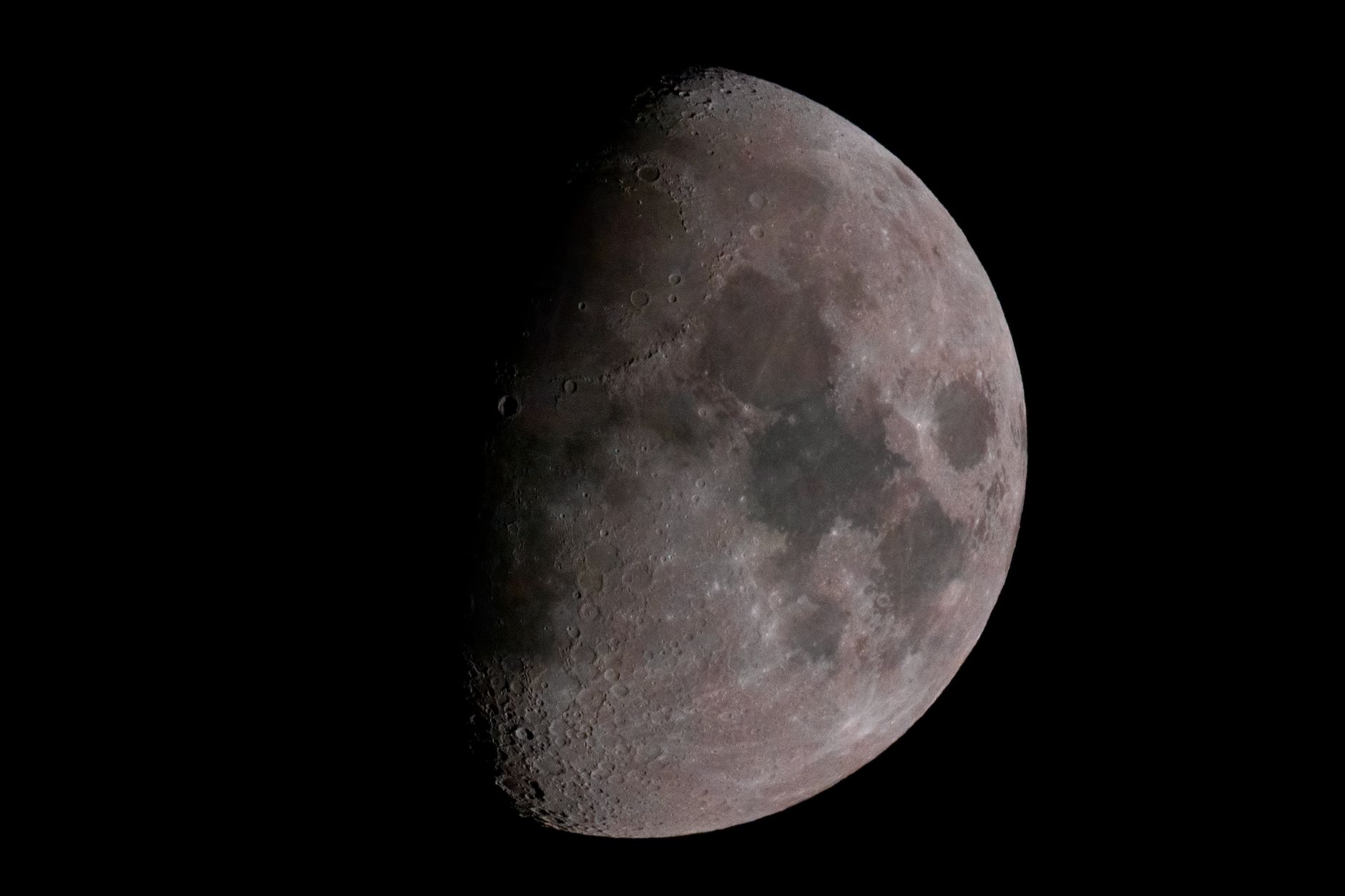
The lunar cycle, spanning approximately 29.5 days, is divided into four primary phases, each carrying distinct energetic signatures and horticultural applications. The New Moon, a time of darkness and potential, aligns with planting seeds that grow below the ground—root vegetables, bulbs, and legumes. This phase embodies initiation and hidden promise; the soil’s magnetism is heightened, drawing germination downward and inward. The Waxing Crescent and First Quarter Moon represent the building phase, a time of rapid growth and upward momentum. This is when you plant above-ground crops: leafy greens, flowering herbs, fruiting plants, and vining vegetables. The energy during this phase supports visible expansion and manifestation. The Full Moon bathes your garden in maximum light and energetic potency, making it ideal for harvesting, magical work, and tending to established plants. Many practitioners time their most important ritual work—blessing seeds, charging moon water for plant misting, or harvesting medicinal herbs at peak potency—to coincide with the Full Moon’s luminous fullness.
The Waning Gibbous through Last Quarter and Balsamic Moon phases direct energy downward and inward, supporting root development, composting, and the pruning of unwanted growth. This is the ideal window for removing diseased branches, weeding, and allowing plants to consolidate their strength. During the Balsamic Moon—the darkest days before the New Moon—many gardeners rest their beds, journal about the season, and plan the next cycle. The following table offers quick reference for lunar phase gardening decisions: New Moon: Root crops, bulbs, onions, potatoes; Waxing Moon: Leafy greens, herbs, flowers, fruiting plants; Full Moon: Harvesting, ritual work, charging practices; Waning Moon: Pruning, weeding, root crops (secondary), composting. By aligning your garden tasks with these natural rhythms, you work with—rather than against—the moon’s gravitational and energetic influence on plant physiology and soil vitality.
The Lunar Planting Calendar: Month-by-Month Seed Starting Guide
Creating a moon phase planting calendar tailored to your climate zone transforms gardening from guesswork into a sacred, rhythmic practice. Begin by identifying your local frost dates and growing season length, then overlay the lunar cycle to determine optimal planting windows. For spring gardeners in temperate zones, the New Moon phase falling in late February or early March offers the first opportunity to plant cool-season root vegetables: carrots, parsnips, beets, and turnips. These germinate slowly and benefit from the gravitational pull of the New Moon drawing moisture and energy downward. One week later, as the Waxing Moon builds, start your above-ground spring crops—spinach, kale, arugula, and pea shoots. These quick-growing greens thrive when planted during the moon’s ascendant energy, often reaching harvest within 30-45 days.
As spring deepens into late April and May, the Full Moon presents an ideal moment for blessing your seedlings and transplanting them into their permanent garden beds. Many practitioners perform a simple ritual: water plants with moon-charged water, speak words of encouragement, and place rose quartz or clear quartz tumbled stones near the root zone to amplify vitality. Summer plantings—tomatoes, basil, cilantro, and other heat-lovers—benefit from being started during the Waxing Moon of May through early July, ensuring they’re established before intense heat arrives. Autumn gardening, one of the most potent seasons for moon magic, aligns with the Waning Moon of late August through October. Plant root crops, winter squashes, and cold-hardy greens during this phase; the descending lunar energy supports deep root establishment crucial for overwintering. Consider also that certain herbs—such as angelica, mugwort, and vervain—are traditionally harvested or transplanted only during specific lunar phases, often during the Full Moon when their medicinal potency is believed to peak. Keep a simple lunar planting journal noting which phase you planted what, and review it monthly to refine your practice season by season.
Seed Starting Magic: Blessing and Charging Seeds by Moon Phase
Before any seed touches soil, many lunar witches engage in a blessing or charging ritual aligned to the moon phase of planting. This practice serves both spiritual and practical purposes: intention-setting deepens your connection to the plants you’re cultivating, while the tactile, meditative act of handling and blessing seeds slows you down, inviting presence and care into your gardening work. A simple New Moon seed blessing involves placing your seed packets or loose seeds on a dark cloth or wooden surface during the New Moon’s darkness. Sit with them in quiet reflection. If you work with lunar deity—such as Hecate, Diana, Selene, or Hekate—call upon their protection and fertile wisdom. Hold the seeds in your palm and whisper your intention: *”As darkness holds potential, I plant these seeds with purpose and care. May they root deeply, grow strong, and nourish those who tend them.”* Some practitioners anoint seeds with a drop of charging oil (rosemary and moonstone-infused almond oil is traditional), while others simply pass them through incense smoke—mugwort, lavender, or frankincense all carry lunar correspondences.
For Waxing Moon seed starting, shift your ritual to invoke growth and expansion. Create a small circle with your seeds at its centre, surrounded by crystals that support abundance: citrine, green aventurine, clear quartz, and carnelian. Light a white or green candle and recite an abundance invocation: *”As the moon waxes full, so too shall these seeds burst forth. I plant with confidence, tend with love, and harvest with gratitude.”* Some experienced practitioners also charge seeds in moon water—water left under the Full Moon for 24 hours, believed to absorb lunar potency and amplify germination rates. Soak seeds in moon water for 12-24 hours before planting to enliven them with concentrated lunar energy. Keep records in your garden journal noting the moon phase of seed starting, blessing intentions, and the dates each plant emerges; over seasons, patterns will reveal themselves, deepening your intuitive understanding of the moon’s influence on your specific garden microcosm.
Pruning, Weeding, and Garden Maintenance by Lunar Phase
Pruning and garden maintenance are not arbitrary tasks but strategic opportunities to work with lunar energy for optimal plant health. The Waning Moon—from Full through Last Quarter into the Balsamic phase—is universally recognised as the ideal window for removing diseased or unwanted growth. During the Waning phases, sap and energy move downward and inward; cutting during this time minimises stress to the plant and supports healing. Prune dead branches, remove diseased foliage, and take hardwood cuttings for propagation during the Waning Moon for best results. One study from biodynamic farming research noted that pruning cuts made during the Waning Moon showed 15-20% faster callus formation (the plant’s healing response) compared to cuts made during the Waxing phase. Weeding during the Waning Moon is particularly effective: pulled weeds are less likely to regenerate, their roots weaken more quickly in compost, and your garden’s vital resources remain directed toward cultivated plants rather than invasive competitors.
Conversely, avoid major pruning or transplanting during the Full Moon and Waxing phases; the upward energy and heightened sap flow make plants more susceptible to stress and bleeding sap. However, light deadheading of spent flowers—to encourage continued blooming in herbs like basil and oregano—can happen anytime; the intent is to stimulate growth, aligning naturally with the Waxing Moon. For perennial herbs like rosemary, lavender, and thyme, plan major pruning for late summer or early autumn during the Waning Moon to prevent winter damage. Create a simple garden maintenance checklist aligned to lunar phases: Waxing Moon: Light pruning, deadheading, staking tall plants, mulching; Full Moon: Harvesting, watering deeply, ritual tending; Waning Moon: Heavy pruning, pest removal, weeding, composting, soil amendment. This framework prevents over-handling and allows plants to rest and regenerate in alignment with natural rhythms. A gardener working synergistically with lunar phases reports less plant stress, reduced disease pressure, and more resilient perennials season to season.
Harvesting at Peak Potency: Full Moon Herb and Vegetable Harvest
The Full Moon is the ceremonial heart of harvest work, a time when plants are believed to concentrate their vital forces and medicinal potency to maximum levels. Herbalists and witches have long scheduled major herb harvests for the Full Moon, particularly for plants prized for their magical or medicinal properties. Basil, mugwort, St. John’s Wort, lavender, and vervain all reach their most potent state during the Full Moon’s illumination. To harvest herbs at Full Moon peak potency, begin in the early morning after dawn but before the sun fully warms the dew—this timing preserves volatile oils and water content. Use a sharp, clean knife or shears (previously passed through smoke or cleansed intentionally), and always take only what you need, leaving at least one-third of the plant intact to ensure regrowth. Many practitioners whisper gratitude as they cut, offering thanks to the plant spirit and the moon for abundance. Dry harvested herbs in bundles hung upside-down in a cool, dark place, where they’ll retain colour, potency, and scent for months.
For vegetable harvests, the Full Moon also carries significance: tomatoes, squash, beans, and cucumbers harvested during the Full Moon are said to carry more flavour, higher nutrient density, and longer shelf life. Some biodynamic farmers report that lettuce and leafy greens harvested at Full Moon wilt more slowly and remain fresher longer in storage compared to harvests taken at other phases. The Waning Moon, particularly the Last Quarter, is also an excellent harvest window for root vegetables and storage crops—potatoes, onions, garlic, and carrots. The downward-moving energy supports these below-ground harvests, and vegetables harvested during the Waning phase store longer without sprouting or deteriorating. Create a Full Moon harvest ritual as part of your seasonal practice: gather your baskets and tools, light a white or silver candle, and set clear intentions for preservation and gratitude. Harvest mindfully, taking time to thank each plant, observe the garden’s growth, and note any changes since the last full lunar cycle. This presence transforms harvesting from a chore into a ceremony, deepening your relationship with the plants you tend.
Designing a Magical Herb Garden Layout Aligned to Lunar Correspondences
Beyond timing, the physical layout and arrangement of your herb garden can reflect lunar symbolism and witchcraft correspondences, creating a space that is both functionally efficient and spiritually potent. Many practitioners design their herb gardens in circular or crescent formations, echoing the moon’s shape and the natural spiral of lunar energy. A circular herb garden, divided into four quadrants, can correspond to the four moon phases: the
Related from our network
- New Moon Ritual: Planting Seeds in the Dark (herluxerituals)
- Best Fitness Trackers for Heart Rate Accuracy in 2026 (pulsegearreviews)
- Separation Anxiety in Toddlers: (familyflourish)
📚 Explore More on This Topic
Editor’s Pick: A moon phase calendar and moon water bottle.
Join The Mystic Circle
Weekly spells, moon rituals & magickal wisdom — plus a free ritual planner.

🌙 Get a Free AI Tarot Reading
Luna reads the cards just for you — powered by AI, guided by the moon. No account needed.
Draw Your Cards Now ✨Powered by Luna's Circle — AI Spiritual Guidance
Your Free Moon Ritual Calendar
24 rituals for every new and full moon of 2026, plus sabbat celebrations, moon water guide, and monthly correspondences.
Get the Moon CalendarAlso: Free Spellbook