This post contains affiliate links. As an Amazon Associate, we earn from qualifying purchases.
- Understanding the Four Moon Phases and Their Gardening Significance
- The New Moon Phase: Seed Starting and Root Crop Planting
- Waxing Moon Phases: Planting Above-Ground Crops and Encouraging Growth
- Full Moon Phase: Flowering, Fruiting, and Harvesting at Peak Potency
- Waning Moon Phase: Pruning, Weeding, and Clearing Space
- Creating a Moon Phase Planting Calendar and Magical Garden Layout
- Practical Tips for Success: Tools, Timing, and Troubleshooting
- Related from our network
- Related Articles
- Unlock Your Moon Magic
- Unlock Your Moon Magic
- Unlock Your Moon Magic
Disclosure: This post contains affiliate links. If you click through and make a purchase, we may earn a small commission at no extra cost to you. Thank you for supporting this site!
There exists an ancient wisdom, older than modern agriculture, that recognises the profound connection between the rhythms of the moon and the growth cycles of plants. Moon phase gardening—also known as biodynamic gardening—merges horticultural science with lunar magic, inviting you to plant, prune, and harvest in harmony with celestial patterns. This practice isn’t mysticism divorced from reality; it’s grounded in observable phenomena: the moon’s gravitational pull affects soil moisture, the lunar light influences seed germination, and the synchronisation of planting with lunar rhythms has been documented across cultures for millennia. Whether you’re a seasoned gardener seeking to deepen your spiritual practice or a beginner dreaming of cultivating herbs for ritual use, moon phase gardening offers both measurable results and profound connection to the turning of the wheel. By aligning your garden work with the waxing and waning of the moon, you’ll discover that timing isn’t just about when to plant—it’s about working with the natural energy flows that govern growth, rest, and abundance.
Understanding the Four Moon Phases and Their Gardening Significance
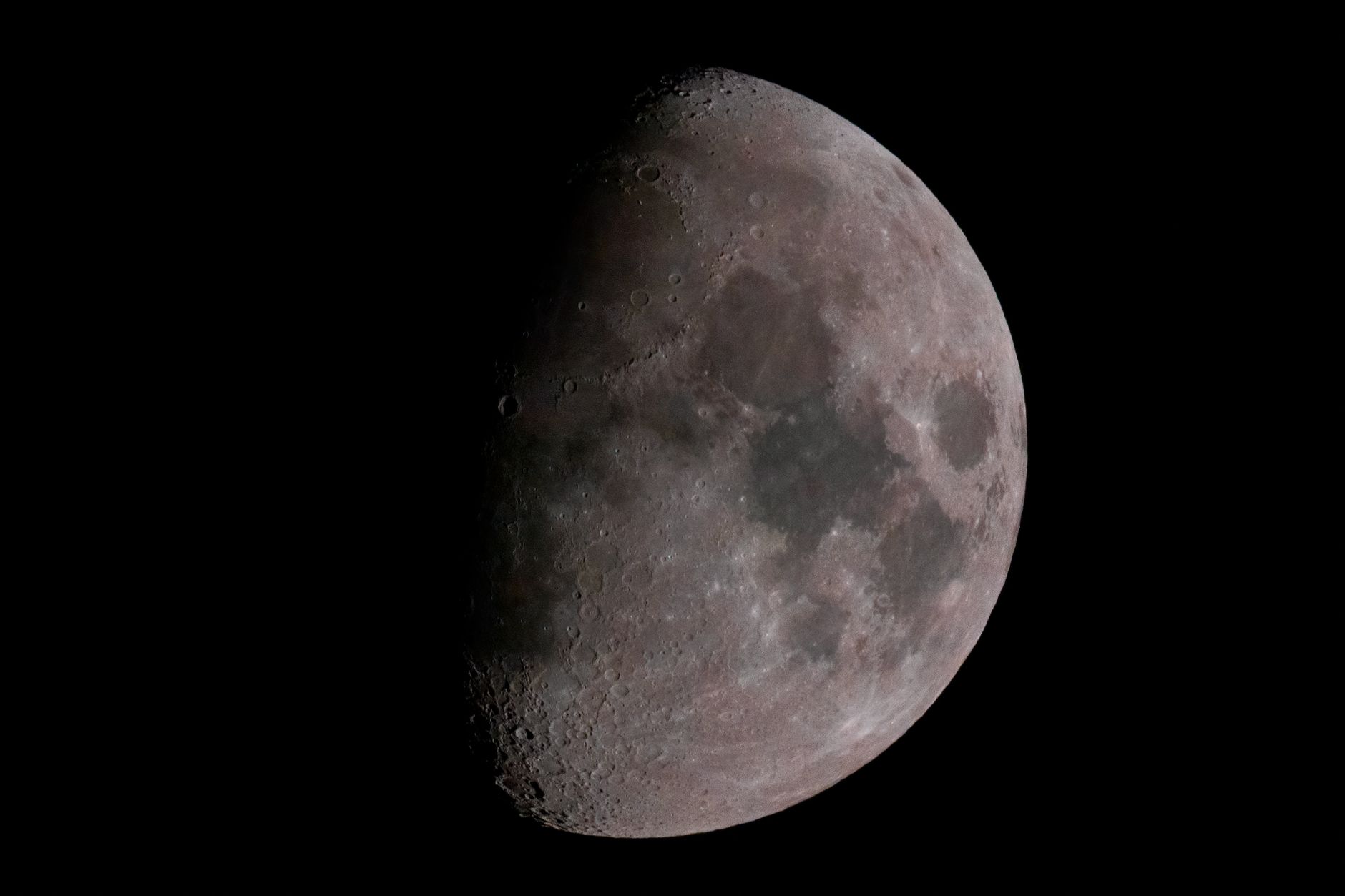
The lunar month is divided into four distinct phases, each with unique energetic qualities that influence plant growth and soil conditions. The New Moon (dark phase) represents new beginnings and potential—this is when the moon’s gravitational pull is weakest but the darkness promotes root development. Root crops, seeds, and plants that grow underground benefit most from New Moon planting. The Waxing Crescent (first quarter) brings increasing light and rising sap; this phase favours leafy greens, above-ground vegetables, and flowers. During the Full Moon phase, lunar light peaks, energy surges, and soil moisture rises due to gravitational pull—ideal for flowering and fruiting plants. The Waning Gibbous (last quarter) is a time of decline and consolidation, perfect for pruning, weeding, and harvesting as plants prepare for dormancy.
Scientific observation supports these traditional practices. Studies in biodynamic agriculture show that seeds planted during waxing phases germinate faster and produce more vigorous seedlings. Conversely, pruning during the waning moon reduces stress on plants and promotes stronger healing of cut areas. The lunar cycle also influences water content in soil: during the Full Moon, increased gravitational pull draws moisture upward, making plants more succulent and nutrient-dense. Keep a moon calendar beside your garden journal—many practitioners photograph their gardens at each phase to track patterns over seasons. By the second or third year of moon-aligned gardening, you’ll notice measurable differences in yield, plant health, and disease resistance compared to plants grown without lunar timing.
The New Moon Phase: Seed Starting and Root Crop Planting
The New Moon is the gardener’s most powerful ally for beginning projects. During this two-day window (the day before and after the astronomical New Moon), darkness dominates and gravitational forces encourage downward energy—perfect for root development. This is your ideal time to plant seeds indoors, start root vegetables (carrots, beets, parsnips, radishes, turnips), and sow any plant where you wish to encourage strong foundational growth. Potatoes, garlic, onions, and legumes (peas, beans) all respond exceptionally well to New Moon planting. The darkness signals to seeds that it’s safe to germinate; they won’t waste precious energy pushing upward seeking light—instead, roots establish deep networks before the seedling emerges.
For practical application, prepare your seedling trays and garden beds during the Waning Moon (the week before the New Moon). This allows you to focus fully on planting during the New Moon window without distraction. Soak seeds for 2-4 hours in moon water before planting to amplify intention and activate germination. As you plant, speak aloud what you wish to cultivate—not just vegetables, but the qualities they represent: stability for root crops, abundance for legumes. For indoor seed starting, position trays near a window that receives morning light (not harsh afternoon sun), and keep soil consistently moist but not waterlogged. New Moon seeds typically germinate 3-5 days faster than seeds planted at other phases. If you’re planting directly in the garden, choose a New Moon that falls when your area’s last frost date is 2-4 weeks away, giving seedlings time to strengthen before transplanting.
Waxing Moon Phases: Planting Above-Ground Crops and Encouraging Growth
As the moon waxes from New to Full (a two-week crescendo of increasing light), plant your above-ground crops: leafy greens, herbs, flowering plants, and vegetables that produce seeds or fruit exposed to air. Lettuce, spinach, kale, chard, basil, rosemary, thyme, and oregano all thrive when started during the Waxing Moon. The increasing lunar light encourages upward growth and leaf development; combined with the moon’s gravitational pull drawing moisture upward, plants receive ideal conditions for photosynthesis and above-ground expansion. Tomatoes, peppers, squash, beans, and cucumber seeds planted during the Waxing Moon produce more abundant fruiting than those planted at other times.
Divide the Waxing phase into two strategic windows: the Waxing Crescent (first quarter, days 1-7) is best for leafy crops and herbs you’ll harvest for leaves; the Waxing Gibbous (days 8-14) benefits flowering and fruiting plants. During a Waxing Moon, your garden work should focus on expansion: succession plant every 7-10 days to ensure continuous harvests, divide perennials, propagate from cuttings, and apply nutrient-rich fertilisers (the plants’ increased growth energy will utilise them efficiently). Waxing Moon is also ideal for magical herb garden layouts—design and plant your medicine garden, kitchen herb spiral, or moon-aligned mandala garden during this expansive phase. Herbs planted during the Waxing Moon develop stronger aerial parts, more potent essential oils, and longer growing seasons. Water deeply during this phase, as the moon’s pull naturally draws moisture upward, reducing irrigation needs while increasing plant resilience.
Full Moon Phase: Flowering, Fruiting, and Harvesting at Peak Potency
The Full Moon represents culmination, fullness, and maximum potency—the ideal moment for harvesting herbs and vegetables for ritual, magical work, or preservation. Plants harvested at the Full Moon contain peak nutrient density, enhanced essential oils, and amplified magical properties. This is when you gather herbs for teas, tinctures, oils, and dried preparations used in spell work. Basil harvested at the Full Moon carries heightened protective energy; mugwort gathered then amplifies visionary work; rose petals collected under the Full Moon infuse beauty magic into any potion or charm. The Full Moon is also the phase for harvesting fruits and vegetables intended for storage—their increased water and nutrient content makes them last longer and taste more vibrant.
Practically speaking, harvest on the Full Moon morning or evening for maximum effect. Gather herbs before the dew dries (morning) for fresh, supple plants, or after sunset (evening) to honour the moon’s light and allow the day’s heat to concentrate essential oils in leaves. Use a sharp, clean knife or shears—never tear plants, which damages cellular integrity and shortens shelf life. Place harvested material in baskets lined with breathable cloth rather than plastic; this prevents moisture buildup and preserves delicate leaves. If you’re harvesting for magical purposes, set clear intention as you gather: hold each stem and speak your purpose aloud—”I gather this rose petal for love magic, blessed by the Full Moon’s fullness.” Return something to the earth: leave a lock of hair, a drop of oil, or a spoken blessing as reciprocal exchange. Full Moon harvests cure and dry faster than those gathered at other times, and their potency remains elevated throughout their storage life.
Waning Moon Phase: Pruning, Weeding, and Clearing Space
As the moon wanes from Full to New (darkness increasing daily), the dominant energy shifts inward—ideal for releasing, removing, and reducing. This is when you prune branches, deadhead spent flowers, remove diseased leaves, and pull weeds. During the Waning Moon, plants experience reduced sap flow, meaning pruning causes less stress and wounds heal more efficiently. A branch cut during the Waning Moon won’t “bleed” sap as it would if cut during the Waxing phase; the reduced moisture means cleaner cuts and faster healing. Perennials pruned during the Waning Moon regrow more symmetrically and robustly. This phase is also ideal for removing invasive plants, thinning overcrowded seedlings, and harvesting root crops for storage (as opposed to fresh eating).
Work with the decreasing energy intentionally: as you weed, visualise removing obstacles from your life; as you prune dead branches, release what no longer serves your growth. Waning Moon weeding is remarkably efficient—weeds pulled during this phase are less likely to regrow from broken roots, and the work feels less resistance than weeding during the Waxing phase. Compost your prunings and pulled weeds during the Waning Moon; they decompose faster and create richer, more balanced compost. For magical gardens, use Waning Moon phase to clear spaces for new plantings, remove hexes or unwanted energies from garden areas (sweep counterclockwise while chanting), and prepare beds for the next month’s New Moon planting cycle. The last 3-4 days before the New Moon (the Dark Moon) are especially potent for clearing rituals—work in candlelight or moonlight, moving counterclockwise, releasing and banishing as you work.
Creating a Moon Phase Planting Calendar and Magical Garden Layout
To align your garden with lunar rhythms, create a personalised planting calendar combining your local growing season, frost dates, and the moon phase cycle. Begin by mapping your region’s last spring frost date and first autumn frost date—these determine your planting window. Next, download a moon phase calendar (many excellent free digital versions exist; many practitioners favour printed lunar calendars for garden journalling). Write your intended plantings for each lunar phase across the growing season. For example: “New Moon of April: start tomato and pepper seeds indoors; plant peas directly in garden.” “Waxing Moon of May: transplant herbs, direct sow basil and oregano.” “Full Moon of June: harvest mint for tea, gather rose petals for oil infusion.” “Waning Moon of June: prune raspberry canes, weed vegetable beds.”
For a magical garden layout, design spaces aligned with lunar intention. Create a Root Crop Bed (North, associated with the New Moon and grounding energy): here, plant potatoes, carrots, beets, and garlic—these form your garden’s foundation. A Healing Herb Spiral (East, facing sunrise and Waxing Moon energy): arrange herbs in increasing elevation—basil, oregano, thyme, and sage ascending the spiral, creating microclimates and visual magic. A Flowering Moon Garden (South, Full Moon peak energy): plant white and pale flowers that glow under moonlight—white roses, jasmine, moonflowers, silver-leafed artemisia. A Release and Restoration Bed (West, Waning Moon energy): place plants for clearing and healing work—mugwort, yarrow, comfrey, and black cohosh. At the garden’s centre, install a moon water collection basin or a simple bird bath—this becomes your focal point for rituals, where you water all plants with intention during the Full Moon.
Practical Tips for Success: Tools, Timing, and Troubleshooting
Several practical considerations will deepen your moon phase gardening success. Keep a moon phase tracker: print a 12-month lunar calendar and post it near your garden workspace. Many practitioners use a physical journal rather than phone apps, as hand-writing intentions and observations strengthens magical connection and provides tactile record-keeping. Invest in quality moon water: collect rainwater during the Full Moon and use it exclusively for watering herbs intended for ritual work; store it in glass bottles, refreshing monthly. Use a garden journal aligned with lunar months: record not just planting dates but moon phases, weather, growth rates, and harvest yields—by year two or three, you’ll identify patterns unique to your location and climate.
Related from our network
- New Moon Ritual: Planting Seeds in the Dark (herluxerituals)
- Best Fitness Trackers for Heart Rate Accuracy in 2026 (pulsegearreviews)
- Separation Anxiety in Toddlers: (familyflourish)

