This post contains affiliate links. As an Amazon Associate, we earn from qualifying purchases.
- The Lunar Cycle and Plant Growth: Understanding the Connection
- Planting by the Lunar Calendar: When to Sow Seeds
- The Magical Herb Garden: Layout, Planting, and Lunar Timing
- Harvesting at Peak Potency: Lunar Timing for Maximum Magic
- Pruning and Deadheading: Waning Moon Work
- Moon Water and Lunar Charging: Energizing Your Garden
- Creating Your Lunar Garden Calendar: Planning and Record-Keeping
- Related from our network
- Related Articles
- Unlock Your Moon Magic
- Unlock Your Moon Magic
- Unlock Your Moon Magic
Disclosure: This post contains affiliate links. If you click through and make a purchase, we may earn a small commission at no extra cost to you. Thank you for supporting this site!
The moon has guided gardeners and farmers for millennia, its cycles deeply woven into the rhythm of growth, rest, and abundance. Whether you’re nurturing tender seedlings under the waxing moon’s expanding energy or harvesting herbs at their most potent peak, moon phase gardening merges the ancient wisdom of biodynamic agriculture with the intuitive magic of lunar witchcraft. This practice honours the moon’s gravitational influence on soil moisture, plant sap flow, and root development—science and spirit working in elegant harmony. By aligning your planting, pruning, and harvesting with lunar phases, you’ll not only grow healthier, more vibrant plants, but you’ll also deepen your connection to the natural cycles that sustain all life. Whether you tend a sprawling garden or a modest windowsill of magical herbs, this guide will show you how to work with the moon’s wisdom to create a garden that flourishes in both body and soul.
The Lunar Cycle and Plant Growth: Understanding the Connection
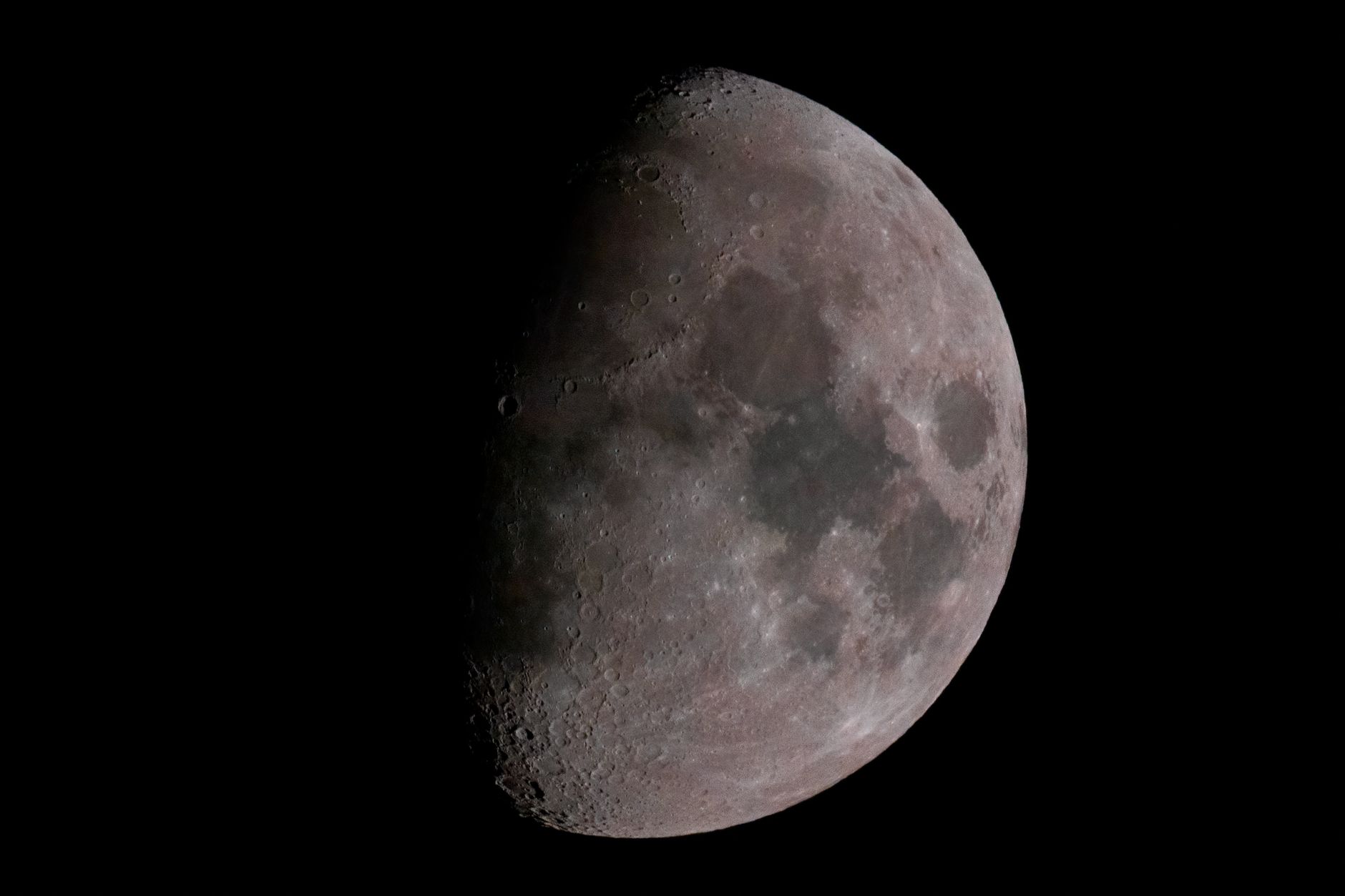
The moon’s gravitational pull influences Earth’s tides, and just as it moves vast oceans, it also shifts the water within the soil and plant tissues. During the waxing moon—from the New Moon to the Full Moon—this gravitational pull gradually increases, drawing more moisture upward into the leaves and stems. This is a time of expansion and growth, when plants direct their energy toward foliage, flowering, and leaf development. Conversely, during the waning moon—from the Full Moon back to the New Moon—the gravitational effect decreases, and plant energy naturally moves downward into the roots, seeds, and bulbs. This is the season of consolidation and storage.
Biodynamic farmers have observed and documented these patterns for over a century, and modern studies in chronobiology support what gardeners have long intuited: plants do respond to lunar cycles. The same phases that governed ancient planting calendars—from the Egyptian farmers of the Nile to the Celtic peoples of Britain—remain relevant today. When you plant seeds during the waxing moon, you’re working with the upward surge of lunar energy, encouraging germination and leafy growth. When you harvest during the waning moon, you’re capturing plants at their most concentrated, their essence gathered in root and seed. This isn’t mysticism alone; it’s rhythmic attunement to natural law.
Consider these key timings: the New Moon marks a time of rest and hidden potential—ideal for soil preparation and planning. The Waxing Crescent brings the first stirrings of energy—perfect for seed starting indoors. The First Quarter supports steady growth. The Waxing Gibbous amplifies flowering potential. The Full Moon represents peak potency—harvest leafy herbs, gather flowers, and collect seeds now. The Waning Gibbous and Last Quarter favour root crops and underground work. The Waning Crescent is rest time, ideal for composting and planning the next cycle.
Planting by the Lunar Calendar: When to Sow Seeds
The secret to thriving seedlings lies in timing your planting to match the moon’s phase and your plant’s needs. For leafy crops—lettuce, spinach, kale, parsley, basil, and mint—sow seeds during the waxing moon, ideally between the New Moon and the Full Moon. This ascending phase supports rapid leaf development and encourages plants to direct their energy upward into the foliage you’ll harvest. If you’re starting seeds indoors under lights, aim for the Waxing Crescent to the First Quarter Moon; seeds germinated during this window often show stronger, bushier growth.
Root crops—carrots, beets, radishes, turnips, and potatoes—thrive when planted during the waning moon, particularly from the Last Quarter back toward the New Moon. During this descending phase, plant energy naturally flows downward, encouraging strong root development and bulb formation. If you’re planting root vegetables outdoors, time your direct sowing for 3-4 days after the Full Moon, allowing time for the waning phase to fully establish. Fruiting plants like tomatoes, peppers, beans, and cucumbers benefit from planting during the First or Second Quarter—after germination but while upward energy still supports flowering and fruit set.
Here’s a practical monthly planting guide to reference:
- New Moon to Waxing Crescent: Prepare beds, amend soil, start seeds indoors for leafy greens
- Waxing Crescent to First Quarter: Transplant seedlings, plant above-ground crops, sow herbs
- First Quarter to Full Moon: Plant flowering and fruiting plants, support pollinators
- Full Moon: Harvest herbs for maximum potency, gather flowers, collect seeds
- Waning Gibbous to Last Quarter: Plant root crops, prune perennials, add compost
- Last Quarter to New Moon: Rest, plan, prepare beds, mulch established plantings
The Magical Herb Garden: Layout, Planting, and Lunar Timing
Your magical herb garden is both a practical resource and a spiritual anchor, a living grimoire at your fingertips. To create one that thrives, begin with intention-setting during the New Moon. Sketch your garden layout, consider which herbs align with your practice—protective rosemary, heart-opening rose, grounding mugwort, clarity-bringing lavender, love-nurturing chamomile—and envision the energy you want to cultivate. Physically lay out your beds during this reflective lunar phase, allowing your intuition to guide placement as much as practical concerns like sunlight and water access.
Plant individual herbs according to their moon affinity and growth pattern. Moon-ruled herbs like mugwort, jasmine, and honewort flourish when planted during the waxing moon or under Full Moon light. Mercury-ruled herbs such as basil, dill, and fennel support clear communication and thrive with regular planting during the Waxing Crescent. Venus-ruled heart herbs—rose, vervain, and lemon balm—benefit from First Quarter plantings when the moon supports both growth and emotional depth. Mars-ruled protective herbs like garlic, rue, and sage ground best when planted as the moon wanes, their fierce energy anchored deep in the earth.
Arrange your beds in a spiral or spiral-within-a-circle pattern if space allows—this ancient geometry honours the moon’s cyclical nature and creates natural energy flow. Place herbs according to their planetary rulership, creating zones of coherent magical intention. An example spiral might spiral inward from protective outer herbs (rosemary, rue, garlic) through heart herbs (rose, vervain) to intuitive centre herbs (mugwort, jasmine). Water your garden mindfully during the waxing moon to encourage growth, and reduce watering as the moon wanes to encourage deep root systems and oil concentration in leaves.
Harvesting at Peak Potency: Lunar Timing for Maximum Magic
The Full Moon represents the pinnacle of lunar power, and it’s the ideal time to harvest herbs for magical work. At the Full Moon, plant oils and essences reach their highest concentration—leaves are most fragrant, flowers most vibrant, seeds most viable. Harvest on the morning of the Full Moon day itself if possible, after the dew has dried but before the noon sun reaches its height. This timing captures the herb at its most potent: moisture-rich from the night yet energized by the returning sun. For leafy herbs like basil, sage, and mint, harvest by cutting the top third of the plant, encouraging bushier regrowth. For flowers like calendula, rose, and lavender, gather blooms that have just fully opened.
Root harvesting follows a different rhythm. Dig roots during the waning moon, 2-3 days after the Full Moon begins to darken, when lunar energy pulls inward and downward. Root vegetables and root herbs like angelica, valerian, and bloodroot will be at their richest, their medicinal compounds most concentrated. For seed collection, wait until the last few days of the waning moon when seeds are fully dry and mature. Snip entire seed heads into a paper bag, shake loose the seeds, and store them in glass jars in a cool, dark place. Seeds harvested during this waning phase have superior germination rates and store longer.
Create a harvest calendar marking Full Moon dates 6-12 months ahead. Notation might look like this: “June Full Moon (Strawberry Moon)—harvest rose petals, basil, and mugwort for summer magic workings.” Dry harvested herbs by hanging them upside-down in bundles in a warm, dark, airy space for 2-3 weeks, then store in glass jars labelled with the harvest moon phase. This practice not only preserves potency but creates a tangible record of your lunar gardening work, a physical grimoire that grounds your practice in lived experience.
Pruning and Deadheading: Waning Moon Work
Pruning is traditionally waning moon work—as the moon’s light decreases, you’re removing excess growth to encourage stronger, more concentrated development. Begin major pruning 3-4 days after the Full Moon, when the waning phase is clearly established. This is the ideal time to trim back perennial herbs, shape hedging plants like boxwood, and remove diseased or crossing branches. During the waning moon, plants direct their energy downward into roots and woody stems rather than upward into new leafy growth, so pruning now encourages dense, sturdy structure rather than wild branching.
Deadheading—removing spent flowers—serves double duty on the waning moon. It prevents plants from expending energy on seed production, encouraging longer flowering periods, while it also honors the lunar cycle by releasing what has fulfilled its purpose. Deadhead during the Last Quarter for maximum effectiveness. For perennial herbs like lavender and catmint, deadheading during this phase often triggers a second flush of flowers in late summer, extending your harvesting season.
Avoid major pruning during the waxing moon, particularly the First and Second Quarters, as this encourages excessive leafy growth that can leave plants susceptible to pests and diseases. Light maintenance pruning—removing yellowed leaves or pinching back mint to encourage bushiness—can happen anytime, but save significant structural work for the waning phases. This simple timing adjustment dramatically reduces disease pressure and pest problems, as plants pruned in harmony with lunar cycles show better wound-healing and stronger regrowth.
Moon Water and Lunar Charging: Energizing Your Garden
Moon water—water charged under moonlight—becomes a powerful tool for blessing and energizing your garden. To create Full Moon water, place a bowl or jar of purified water beneath the full moon’s light, allowing it to steep overnight. You might add intention-aligned herbs: rose petals for love and abundance, mugwort for intuition and protection, or basil for prosperity and cleansing. In the morning, strain if needed and store in a cool place. Use this water to feed your plants during the waxing moon, pouring it directly at the roots to infuse growth energy, or misting leaves for a gentler blessing.
New Moon water serves different purposes—it supports introspection, rest, and underground growth. Create it the night before the New Moon, and use it sparingly on plants during the waning phase, particularly on root crops and perennial herbs preparing for dormancy. The darkened moon’s energy encourages plants to consolidate rather than expand, ideal for transition and rest periods.
You might also create a moon water ritual: light a white or silver candle beside your water bowl, speak your intention aloud, and imagine the moon’s light pouring directly into the water. This practice anchors your garden work in conscious magic, transforming routine watering into ceremony. Store charged water in glass bottles labelled with the moon phase and date—over time, you’ll build a collection of differently-energized waters for different seasons and intentions.
Creating Your Lunar Garden Calendar: Planning and Record-Keeping
The most effective moon phase gardening happens when you plan seasonally and track results meticulously. Beginning in December or January, pull up a moon calendar for the coming year—many are available free online or through lunar
Related from our network
- New Moon Ritual: Planting Seeds in the Dark (herluxerituals)
- Best Fitness Trackers for Heart Rate Accuracy in 2026 (pulsegearreviews)
- Separation Anxiety in Toddlers: (familyflourish)
Join The Mystic Circle
Weekly spells, moon rituals & magickal wisdom — plus a free ritual planner.

🌙 Get a Free AI Tarot Reading
Luna reads the cards just for you — powered by AI, guided by the moon. No account needed.
Draw Your Cards Now ✨Powered by Luna's Circle — AI Spiritual Guidance
Your Free Moon Ritual Calendar
24 rituals for every new and full moon of 2026, plus sabbat celebrations, moon water guide, and monthly correspondences.
Get the Moon CalendarAlso: Free Spellbook