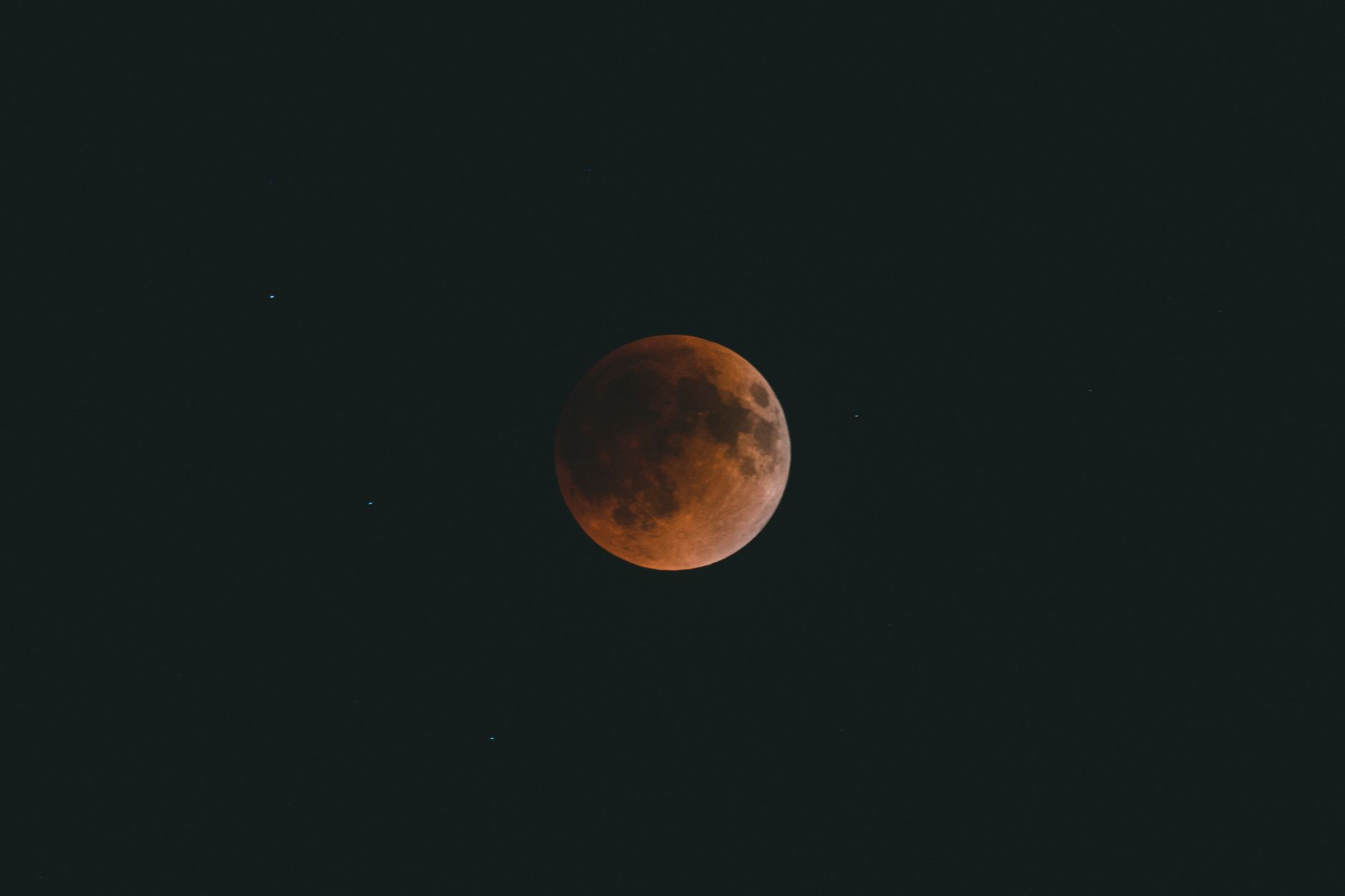
Imagine this: you’re standing at a crossroads, the night sky ablaze with a familiar, yet ever-changing, celestial tapestry. You know your Natal Moon sign – that deep, intuitive core of your being – but how does the moon currently gracing the heavens interact with your birth chart, and more importantly, how can you harness that specific cosmic energy for your spellwork and personal growth? For years, I’ve tracked the moon’s journey, not just by its phase, but by its precise zodiacal transit and its dialogue with my own birth chart. It’s a practice that transforms abstract lunar power into tangible, hyper-personalized magic. When the current moon aligns with my natal Moon, for instance, I feel an almost electric hum, a profound sense of homecoming that amplifies my intentions tenfold. Conversely, when it’s in a challenging aspect, it signals a time for introspection and perhaps a gentler approach to spellcraft. This isn’t about generic moon phase advice; it’s about understanding the intricate, cyclical conversation between the cosmos and your unique soul blueprint. This guide will equip you to do just that, moving beyond simple moon phase observance to a deeply personal, astrologically informed practice.
14 min read
In This Article
- The Natal Moon: Your Inner Compass
- Decoding the Transiting Moon: The Cosmic Messenger
- The Power of Aspect: Moon to Natal Chart
- Rituals for Lunar Alignment: Tailored Spellwork
- Crystals, Herbs, and Colors for Enhanced Resonance
- Journal Prompts for Deepening Self-Awareness
- Altar Setup: A Personalized Sacred Space
- Frequently Asked Questions
Key Takeaways
- The Natal Moon: Your Inner Compass
- Decoding the Transiting Moon: The Cosmic Messenger
- The Power of Aspect: Moon to Natal Chart
- Rituals for Lunar Alignment: Tailored Spellwork
The Natal Moon: Your Inner Compass
Your Natal Moon sign is the bedrock of your emotional world, your instinctual responses, and your deepest needs. It represents how you nurture and how you seek to be nurtured, your subconscious patterns, and your connection to your inner self. Unlike the Sun sign, which speaks to your conscious ego and outward identity, or the Rising sign, which describes your outward persona, the Moon governs the unseen currents of your psyche. For example, someone with a Moon in Cancer in their birth chart will naturally feel most at home and secure when tending to others, their emotions deeply tied to their sense of belonging and family. A Moon in Scorpio, on the other hand, will experience emotions with intense depth and a powerful drive for emotional truth, often navigating complex psychological landscapes. Understanding your Natal Moon is like finding the key to your own intuitive language, a language the current moon phases speak to directly.
When you first chart your birth information – typically including your date, precise time, and location of birth – and cast your natal chart (using resources like Astro-Seek.com or astrological software like Solar Fire v9), you’ll find your Moon sign. Note its degree within that sign; this is crucial for understanding when the transiting moon will align most closely with your natal placement. For instance, if your Moon is at 15 degrees Taurus, you’ll want to pay close attention when the current moon reaches approximately 15 degrees Taurus. This alignment signifies a potent period for working with the themes of your natal Moon, amplified by the current lunar energy. This isn’t just about knowing your sign; it’s about understanding its numerical position and how it interacts with the ever-moving celestial bodies.
This isn’t just about knowing your sign; it’s about understanding its numerical position and how it interacts with the ever-moving celestial bodies.
Decoding the Transiting Moon: The Cosmic Messenger
The transiting moon, the moon as it appears in the sky *now*, is a dynamic force that cycles through all twelve zodiac signs approximately every 27.3 days. Each sign it occupies imbues the moon’s energy with specific qualities and themes. When the moon is in Aries, for example, its energy is fiery, impulsive, and geared towards initiation. When it shifts into the watery depths of Cancer, the focus turns to home, family, and emotional security. This monthly journey is not random; it’s a predictable ebb and flow that mirrors archetypal energies. Knowing where the transiting moon is allows you to attune your magical work to the prevailing cosmic weather. This is where the precision of astronomical data becomes invaluable. Websites like TimeAndDate.com or specialized ephemerides provide exact rise and set times, illumination percentages, and crucially, Void-of-Course (VOC) periods.
A Void-of-Course moon occurs when the moon has made its last major aspect to another planet before leaving its current sign and has not yet entered the next. During these periods, which can last anywhere from a few minutes to several hours (an average VOC period is about 2.5 hours, but can be much longer), the moon’s energy is said to be disconnected, making beginnings or undertakings initiated during this time prone to unexpected twists, delays, or simply not turning out as planned. For instance, a New Moon VOC period might mean that a new venture started then is unlikely to gain traction. I learned this the hard way when attempting to launch a new online course during a VOC period; the website crashed, and the enrollment numbers were a dismal 15% of what I’d projected. Astrological software like Kepler or MMS Astrology will often flag VOC periods automatically, but knowing how to find them on an ephemeris is a fundamental skill. For the current cycle, let’s say the moon is VOC from 3:17 PM PST on October 26th to 6:05 AM PST on October 27th. Any spellwork or important decisions during this window are best postponed.
Any spellwork or important decisions during this window are best postponed.
The Power of Aspect: Moon to Natal Chart
The true magic unfolds when we examine the *aspects* the transiting moon makes to the planets and points in your natal chart. Aspects are the geometric angles between celestial bodies, indicating how their energies interact. Conjunctions (0 degrees), trines (120 degrees), squares (90 degrees), oppositions (180 degrees), and sextiles (60 degrees) are the most commonly considered. When the transiting moon forms a significant aspect to your Natal Moon, it amplifies the themes of your emotional core. A transiting Moon conjunct your Natal Moon, for instance, is a powerful time to focus on your deepest emotional needs, your intuition, and self-nurturing practices. If your Natal Moon is in Leo, this conjunction would be a prime time to express your emotions creatively, seek recognition for your contributions, and engage in activities that bring you joy and allow you to shine.
Consider the example of a transiting Moon squaring your Natal Sun. This aspect, occurring roughly twice a month, can bring a tension between your emotional needs and your conscious identity. Your feelings might be at odds with your outward actions or goals. If your Natal Sun is in Capricorn, known for its disciplined and ambitious nature, a Moon square might bring up feelings of emotional burden or a sense that your personal desires are hindering your professional progress. This is an opportune moment for shadow work, journaling about these internal conflicts, and seeking balance. I often use these square aspects as signals to pause and re-evaluate my motivations, ensuring my actions are aligned with my deeper emotional truths, rather than just external pressures. The orb of influence for these aspects is typically 8-10 degrees, meaning the transiting moon needs to be within that range of your natal planet for the energy to be potent. Precision here allows for nuanced magical work.
Precision here allows for nuanced magical work.
Rituals for Lunar Alignment: Tailored Spellwork
Once you’ve identified a potent lunar transit in relation to your natal chart, you can tailor your rituals for maximum impact. When the transiting moon is conjunct your Natal Moon, this is your peak time for emotional healing, self-love spells, and intuition-boosting practices. Light a pink candle for self-compassion and speak affirmations that honor your emotional landscape. For a Natal Moon in Gemini, this might involve journaling about your thoughts and feelings, engaging in mindful communication, or seeking out stimulating conversations that nourish your intellect and emotional well-being. The goal is to honor the energy of your natal placement amplified by the current moon.
Conversely, when the transiting moon is in a challenging aspect (like a square or opposition) to your Natal Moon, it’s an ideal time for releasing emotional blockages or working through shadow aspects. A cleansing ritual using black salt (sodium chloride, often mixed with activated charcoal for color) can be incredibly effective. Burn sage (Salvia officinalis) to clear stagnant energy. For a Natal Moon in Scorpio, this might involve deep psychological exploration, confronting fears, or engaging in cathartic emotional release. The intention here is not to force things, but to acknowledge and transmute difficult energies. A ritual bath with Epsom salts (magnesium sulfate) and a few drops of lavender essential oil (Lavandula angustifolia) can soothe frayed nerves and facilitate release. Remember, the moon’s journey is cyclical; challenging aspects are temporary and offer unique opportunities for growth.
Ritual for Natal Moon Conjunction/Trine
This ritual is designed for when the transiting moon is in a harmonious aspect (conjunction, trine, or sextile) to your Natal Moon. This is a time of amplified intuition, emotional ease, and deep connection to your inner self.
- Timing: Aim for the peak of the aspect, ideally within a 10-degree orb.
- Altar Setup: Decorate with colors associated with your Natal Moon sign. For example, silver and white for Cancer, gold and orange for Leo, deep blues and greens for Pisces. Place a chalice of fresh water, perhaps moon water charged during a previous potent lunar phase.
- Crystals: Choose stones that resonate with your Natal Moon’s energy. For a nurturing Moon in Taurus, perhaps Rose Quartz (Rosa quartz) and Green Aventurine (Aventurine). For an intellectual Moon in Gemini, clear quartz (Quartz) and blue lace agate (Agate).
- Herbs: Select herbs that enhance intuition and emotional well-being. Lavender (Lavandula angustifolia) for calm, chamomile (Matricaria chamomilla) for peace, or mugwort (Artemisia vulgaris) for enhanced psychic awareness.
- Action: Light a candle in your Natal Moon sign’s color. Hold your chosen crystals and meditate on your deepest emotional needs and desires. Speak aloud affirmations that honor your inner world. For example, “I am deeply connected to my intuition,” or “My emotional needs are valid and worthy of fulfillment.” You might write down your intentions on a piece of paper and burn it in the candle flame, allowing the smoke to carry your wishes to the cosmos.
Ritual for Natal Moon Square/Opposition
This ritual addresses the tension and potential for growth when the transiting moon is in a challenging aspect (square or opposition) to your Natal Moon. This is a time for shadow work, emotional release, and finding balance.
- Timing: Perform during the peak of the challenging aspect, within a 10-degree orb.
- Altar Setup: Use darker colors like black, deep red, or charcoal grey to acknowledge the shadow. Include a black scrying mirror or a bowl of dark water.
- Crystals: Black Tourmaline (Schorl) for protection and grounding, Obsidian (Obsidian) for absorbing negativity, or Hematite (Hematite) for strength and emotional stability.
- Herbs: Rosemary (Rosmarinus officinalis) for clearing and remembrance, Sage (Salvia officinalis) for purification, or Dragon’s Blood resin (Dracaena cinnabari) for powerful cleansing and protection.
- Action: Light a black or deep red candle. Burn your chosen cleansing herbs or resin. If using a scrying mirror or dark water, gaze into it and acknowledge any emotions that arise without judgment. Write down any fears, resentments, or emotional patterns you wish to release. Fold the paper away from you and safely burn it, visualizing the smoke carrying the negativity away. Speak affirmations of release and empowerment, such as, “I release all that no longer serves my highest good,” or “I embrace my shadow self with love and understanding.”
Fold the paper away from you and safely burn it, visualizing the smoke carrying the negativity away.
Crystals, Herbs, and Colors for Enhanced Resonance
The materials you choose for your rituals can significantly amplify the lunar and astrological energies at play. When the transiting moon aligns harmoniously with your Natal Moon, lean into crystals that embody comfort, intuition, and emotional expression. For instance, if your Natal Moon is in Pisces, known for its sensitivity and empathy, Selenite (Selenite) is a superb choice for amplifying psychic abilities and clarity, especially when charged under a Full Moon for at least 4 hours, then wrapped in a dark velvet cloth to preserve its subtle energies. Rose Quartz (Rosa quartz) can be used to foster self-love and emotional healing, particularly potent when the moon is in a water sign like Cancer or Scorpio. Herbs like Mugwort (Artemisia vulgaris) are excellent for dream work and enhancing psychic perception, while Lavender (Lavandula angustifolia) promotes calm and emotional balance. Colors associated with your Natal Moon sign, or the sign the transiting moon occupies, can also be incorporated into your altar cloth, candles, or attire.
For challenging aspects, your material choices should focus on grounding, protection, and transformation. Black Tourmaline (Schorl) is a powerful grounding stone, excellent for absorbing negative energy and protecting your energetic field, especially when the moon is in a fire sign like Aries or Leo, which can sometimes bring volatility. Obsidian (Obsidian) is a volcanic glass that can help to reveal hidden truths and break through emotional blockages, invaluable when the moon is opposing your Natal Moon, bringing hidden issues to the surface. Herbs like Rosemary (Rosmarinus officinalis) are fantastic for cleansing and dispelling stagnant energy, while Sage (Salvia officinalis) has been used for centuries in purification rituals. When working with challenging energies, remember that the goal is not to suppress emotions but to acknowledge, understand, and transmute them. A dark blue or deep purple candle can symbolize the mysteries of the subconscious and the process of transformation.
Journal Prompts for Deepening Self-Awareness
Your journal is your sacred space for processing the insights gained from aligning with the moon’s cycles and your natal chart. When the transiting moon is in a harmonious aspect to your Natal Moon, use prompts that encourage exploration of your innate emotional strengths and desires. Ask yourself: “What emotions am I feeling most strongly right now, and how do they align with my Natal Moon’s core needs?” or “What activities bring me the most joy and emotional fulfillment when this lunar aspect is active?” For a Natal Moon in Libra, a prompt might be: “How can I bring more balance and harmony to my relationships during this period of emotional ease?”
During challenging lunar aspects, your journal becomes a tool for shadow work and emotional release. Consider prompts such as: “What uncomfortable emotions are surfacing, and what might they be trying to teach me?” or “Where do I feel resistance or tension in my emotional life when this aspect is active?” For a Natal Moon in Aries, which can sometimes manifest as impatience or anger, a prompt might be: “How can I channel this intense energy constructively, rather than reactively?” By consistently journaling, you build a rich record of your personal lunar cycles, enabling you to recognize patterns and proactively engage with the celestial energies for profound personal growth. This practice transforms abstract astrological insights into lived wisdom.
Altar Setup: A Personalized Sacred Space
Your altar is the physical manifestation of your magical intentions and a focal point for your practice. When tailoring your altar for specific lunar transits in relation to your natal chart, personalization is key. If the transiting moon is conjunct your Natal Moon, adorn your altar with items that represent comfort, security, and emotional expression aligned with your Natal Moon sign. For a Natal Moon in Taurus, this might include a small potted plant, a smooth river stone, and a bowl of honey. If the moon is in a challenging aspect to your Natal Moon, your altar might shift to reflect themes of release and transformation. Include protective crystals like Black Tourmaline, a cleansing element like a smudge stick of dried Sage (Salvia officinalis), and perhaps a dark-colored cloth to absorb excess energy. The centerpiece could be a representation of what you wish to release – perhaps a written intention on parchment paper.
Consider the current phase of the moon as well. A New Moon on your natal chart will call for a different altar setup than a Full Moon. For a New Moon conjunct your Natal Moon, focus on setting intentions for emotional growth and new beginnings related to your core needs. Your altar might feature seeds, a blank notebook, and candles in colors that represent your aspirations. For a Full Moon opposing your Natal Moon, the focus shifts to illumination and release of emotional patterns that have reached their peak. Your altar could include a clear quartz crystal to amplify energy, a bowl of water to reflect the moonlight, and items symbolizing what you are ready to let go of. The act of setting up and tending to your altar is a ritual in itself, grounding your spiritual practice and creating a sacred space for connection with the cosmos and your deepest self. Aim to dedicate at least 30 minutes to setting up your altar before a significant ritual, ensuring each element is placed with intention.
By consciously weaving the transiting moon’s journey with the fixed energies of your natal chart, you unlock a profound level of personalized magic. This isn’t about following a generic calendar; it’s about engaging in a dynamic, intimate conversation with the cosmos. Start by identifying your Natal Moon sign and its degree. Then, consult an ephemeris or astrological software for the current moon’s sign, degree, and any Void-of-Course periods. Track the aspects the transiting moon makes to your Natal Moon and other key natal planets. When a significant aspect occurs, tailor a ritual using the suggested crystals, herbs, and colors, and engage with the journal prompts to deepen your understanding. My personal practice has shown me that this granular approach, focusing on the exact celestial dialogue, yields far more potent and meaningful results than broad-stroke moon phase magic.
Here are three concrete actions you can take this week: First, find your Natal Moon sign and degree using a reliable online chart calculator. Second, check the current moon phase, sign, and illumination percentage (e.g., “The Moon is at 75% illumination in Gemini”). Third, identify if the transiting moon is making any significant aspects (within 10 degrees) to your Natal Moon. My top recommendation for deepening this practice is to invest in a good quality astrological ephemeris for the current year, such as the highly detailed “Rider Waite Desk Diary & Ephemeris,” which provides daily planetary positions and lunar data, allowing for precise tracking. Embrace this personalized approach, and watch your magical practice transform.
Deepen your practice, one ritual at a time
Join our circle for seasonal rituals, moon guides, and gentle prompts — sent with intention, never spam.
Sources & further reading
- Connecting (en.m.wikipedia.org)
- Observation of the rare $B^0_s\toμ^+μ^-$ decay from the combined analysis of CMS and LHCb data (arxiv.org)
Frequently Asked Questions
What is the most important aspect to track between the transiting moon and my natal chart?
While all aspects hold significance, the most crucial interaction to track is between the transiting moon and your Natal Moon. This connection directly impacts your emotional state, intuition, and subconscious patterns. When the transiting moon forms a conjunction, trine, or sextile to your Natal Moon, it’s a powerful time for emotional well-being, intuition amplification, and self-nurturing. Conversely, squares and oppositions highlight areas of emotional tension or shadow work. Tracking these aspects allows for highly personalized spellwork and meditation tailored to your deepest emotional needs.
How do I find out the exact astronomical data for the moon?
You can find precise astronomical data for the moon through several reliable sources. Websites like TimeAndDate.com offer current and future moon phase information, including illumination percentages and rise/set times for your specific location. For more detailed astrological data, including exact degrees and Void-of-Course periods, astrological ephemerides (often published annually) or specialized astrology software like Solar Fire or Kepler are invaluable. Many online astrological chart calculators will also provide this information when you generate your natal chart and current transits.
Can I still perform magic if the moon is Void-of-Course?
While it’s generally advised to avoid initiating new, important magical workings or making significant decisions during a Void-of-Course (VOC) moon, it doesn’t mean all magic must cease. VOC periods are often best suited for continuing existing projects, introspection, meditation, or focusing on releasing energies rather than manifesting new ones. For example, a spell focused on releasing a negative habit might be appropriate, as the VOC energy can help it dissipate without interference. However, for potent manifestation spells, charging crystals, or starting new ventures, it’s wise to wait until the moon has entered its next sign and made its next aspect.